

 Vendor Portal

Author: Mark Ainely | Partner GC Realty & Development & Co-Host Straight Up Chicago Investor Podcast
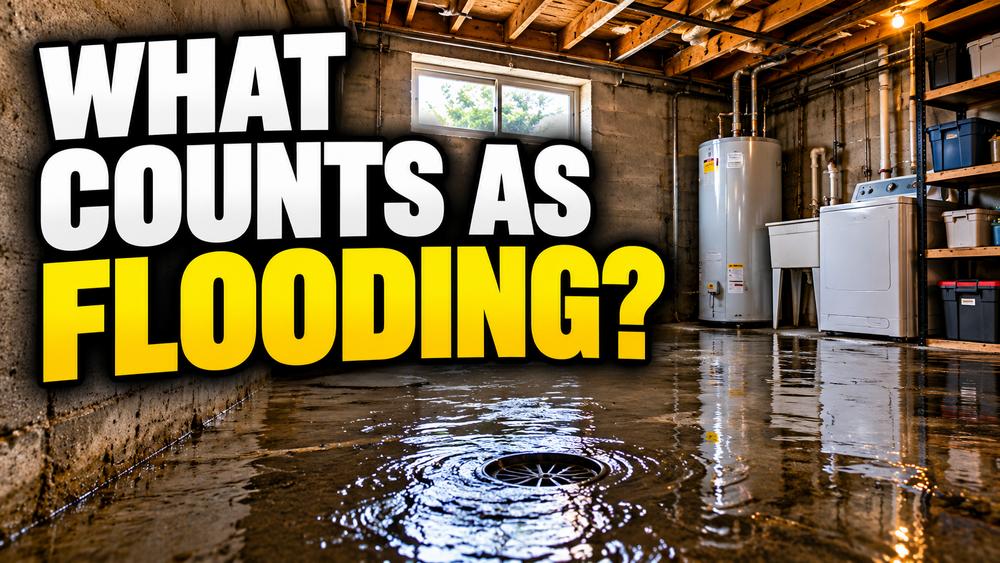
It rains hard in Chicago for two hours. The storm sewers can't keep up, water comes up through the floor drain in the garden unit, sits there for an hour, and goes back down. By morning the floor is damp and the tenant has a few wet boxes.
Now the landlord has a question. Do I have to put that on the flood disclosure?
We get versions of that question constantly from owners, realtors, and even other property managers. The Illinois flood disclosure requirement took effect January 1, 2025, and almost two years in there is still a lot of confusion about what it covers. Some landlords think any water in a basement triggers it. Others think it only applies if the property sits in a FEMA flood zone. And a surprising number of mom and pop landlords aren't using the disclosure at all because they assume a dry building means no disclosure.
We covered the basics of this law when it first took effect in our original article, What Is the Flood Disclosure for Leases in Illinois. This one goes deeper into the questions we still get almost two years later.
That last group has the most exposure. The disclosure goes in every residential lease in Illinois whether the property has flooded or not.
At GC Realty & Development, we manage about 1,500 units across Chicagoland and handle close to 500 lease transactions a year, so we work with this disclosure every day. A big share of our units are garden, basement, and first floor units in older brick buildings that sit on Chicago's combined sewer system. But for Chicagoland realtors and landlords who sign a lease once every two or three years, the same questions keep coming up. Here's what the law covers, what it doesn't, and how to set it up in your lease so you're protected.
Key Takeaways
The Illinois flood disclosure lives in Section 25 of the Landlord and Tenant Act (765 ILCS 705/25) and has applied to leases since January 1, 2025.
Every landlord must disclose whether the property is in a FEMA Special Flood Hazard Area and any flooding they know about on the property or its parking areas, including how often.
Garden, basement, and first floor units carry an additional duty to disclose any flooding on the unit or the property in the last 10 years.
The disclosure is required even when the answer is no. No flood zone and no flood history still means you sign the form.
The statute defines flooding to include rainfall, so a basement that takes water during a heavy storm likely counts even if the water drains back out.
The disclosure must be built into the written lease and every written renewal, signed by both landlord and tenant, before signing.
If you skip it, the tenant can terminate and you refund rent and fees paid in advance within 15 days. If a flood damages their belongings, they can also sue you for the loss.
What the Law Actually Requires
The law creates two disclosure duties.
The first applies to every rental property. Before the lease is signed, the landlord has to tell the tenant in writing whether the property is in the FEMA Special Flood Hazard Area, which is the 100 year floodplain. If the landlord actually knows the property or any part of its parking areas has flooded, they also have to disclose that and how often it happened.
Don't overlook the parking piece. In Chicago, a lot of flooding happens in rear lots, garages, and gangways instead of inside the units. If your garage takes water every big storm, that goes on the disclosure.
The second duty applies to lower level units, which the statute defines as garden level, basement level, or first floor units. For those, the landlord has to disclose whether the unit or any part of the property has flooded in the last 10 years and how often. That reaches the whole property, not only the unit being rented. If the building's laundry room took water three years ago, the first floor tenant gets told.
The statute includes a form your disclosure has to look substantially similar to. It has checkboxes for whether you are or are not aware the property is in the floodplain, a line for the number of floods in the last 10 years, language telling the tenant that renters insurance usually doesn't cover flood loss, and signature lines for both parties. Using that form as written is the easiest way to be compliant.
The Big Misconception Is No Flood, No Disclosure
This is where most self managing landlords get it wrong. They hear “flood disclosure” and figure it only matters if they have a flood problem. So when their property isn't in a flood zone and the basement has always been dry, they leave it out of the lease entirely.
The form is built for the “no” answer. You check the box that says you are not aware the property is in a Special Flood Hazard Area, you write zero for the number of floods, and both parties sign. The form even tells the tenant that a building outside the floodplain can still flood.
Leaving the form out because the answer is no is exactly what the law is written to prevent. A disclosure that says “none” protects you. A missing disclosure gives the tenant a way out of the lease.
Does a Sewer Backup Count as Flooding?
This is the question we get most. The answer depends on why the water came in.
The statute defines flooding as a general or temporary condition of partial or complete inundation of a dwelling or property caused by one of three things.
Overflow of inland or tidal waters
Unusual and rapid accumulation of runoff or surface water from an established water source like a river, stream, or drainage ditch
Rainfall
The third one is what matters in Chicago. And notice the words temporary and partial. Water doesn't have to stay, and it doesn't have to fill the unit. If it came in and went back out, the law still treats that as flooding.
Here's how we look at it in practice.
Rainfall driven water is likely a flood for disclosure purposes. Chicago and many older inner ring suburbs run on combined sewers, meaning storm water and sanitary lines share the same pipes. During a heavy storm those pipes surcharge and push water back up through floor drains. That backup is caused by rainfall, even though it comes through the plumbing. The same goes for seepage through foundation walls during big rain events and water pooling in a window well until it pours in. If it happened because of a storm, disclose it.
Mechanical failure on a dry day is likely not a flood under this law. A tree root blocks your main line, a pipe bursts, a water heater fails, an ejector pump fails, or the upstairs tub overflows. None of those are caused by rainfall, overflow of a waterway, or surface runoff. That is a plumbing issue, and it doesn't fit the statutory definition.
When it's unclear, disclose. Courts haven't worked through these edge cases yet, and the downside of over disclosing is close to zero. The downside of under disclosing is a terminated lease and a damages claim. If you fixed the problem, whether with a backflow valve, an overhead sewer, or a new sump, you still count the past floods, but nothing stops you from adding a line in the lease noting the work that was done. Tenants appreciate seeing that you dealt with it.
Why Realtors, Property Managers, and Landlords Are Still Confused
A few reasons keep coming up.
Insurance language muddies it. FEMA's definition of flood for insurance purposes requires two or more acres or two or more properties to be affected, and flood policies treat sewer backup separately. Many people carried that definition over to this law. The disclosure statute uses its own definition, and it's much broader.
Leasing agents often use whatever lease the owner hands them. If the owner's template is from 2023, the disclosure isn't in it, and nobody catches it.
Mom and pop landlords renew leases with the same document every year. The law applies to renewal leases too, so a tenant who moved in before 2025 and renewed without the disclosure is sitting on the same remedy as a brand new tenant.
Where the Disclosure Belongs in Your Lease
A few practical tips from how we handle it.
Build it into the lease, not a separate handout. The statute requires the disclosure to be included in the written lease or renewal and signed by both parties. Handing a tenant a flyer at showing doesn't meet that. We run it as a signed disclosure page inside the lease packet, and the lease itself references it so there's no argument about whether it's part of the agreement.
Deliver it before signing. The law says prior to signing the lease. Send it with the lease packet so the tenant sees it when they review everything else, not after the fact.
Keep it separate from the Safer Homes summary. Starting January 1, 2026, the Summary of Rights for Safer Homes has to be the first page of every written residential lease in Illinois. The flood disclosure goes elsewhere in the packet alongside your other required disclosures like lead paint and radon.
Check the FEMA map every time. FEMA's Flood Map Service Center is free and searchable by address. Flood maps get revised, so check at each new lease and renewal and keep a screenshot in the tenant file.
Keep a flood log per property. Record the date, what happened, and whether rainfall caused it. When the next lease comes around, your count for the last 10 years is already done.
Update your renewals now. If any tenant renewed after January 1, 2025 without the disclosure, fix it at the next renewal. Don't wait for a storm to find out.
What Happens If You Skip It
The remedies are real.
If you don't disclose that the property is in the floodplain and the tenant finds out later, they can end the lease with written notice within 30 days of finding out, and you have 15 days to return all rent and fees paid in advance.
If you miss either disclosure and a flood then damages the tenant's belongings, affects habitability, or blocks their access to the unit, the tenant can terminate within 30 days of the flood and get their advance rent and fees back within 15 days. On top of that, they can sue you for the value of the personal property that was lost or damaged.
For a garden unit tenant with a couch, a bed, and a bunch of electronics on the floor, that claim adds up fast. A signed page in the lease is a lot cheaper.
FAQ
Is there ever a time I don't need the flood disclosure in my lease?
Very rarely. The statute lists only three exemptions, farm leases, concession leases, and rentals owned or managed by the Illinois Department of Natural Resources. For everything else, plan on including it. The most common mistake is thinking a property outside the flood zone with no flooding history is exempt. It isn't. You still sign the form showing “not aware” and zero floods. If you lease commercial space and aren't sure how this applies, check with your attorney rather than assume you're excluded.
Do upper floor units need the disclosure?
Yes. The 10 year lower level disclosure is specific to garden, basement, and first floor units, but every unit still gets the floodplain disclosure and any flooding you know about on the property or parking areas. A third floor tenant whose car flooded in the building's lot has a stake in that information.
My property isn't in a FEMA flood zone. Do I still need it?
Yes. The form is designed for that answer. Check “is not aware,” fill in the flood count, and both parties sign.
Does a sewer backup during a storm count?
Most likely. Flooding under the statute includes rainfall and covers water that comes in temporarily or partially. A storm driven backup through a floor drain fits that. A backup from a clogged line on a dry day most likely does not.
What if I fixed the flooding problem years ago?
If it happened within the last 10 years, it still goes in the count. You can note the repairs you made, but the prior floods still get disclosed.
Do I need it on renewals?
Yes. The statute applies to written renewal leases as well as new leases.
Is this the same as the flood disclosure when selling a home?
No. Home sellers have separate disclosure obligations under the Residential Real Property Disclosure Act. This article covers the landlord and tenant requirement.
Don't Go At This Alone!
Flood disclosure is one line item in a lease packet that keeps getting longer. Between the Safer Homes summary, lead and radon disclosures, the RLTO in Chicago, the RTLO in suburban Cook, and local ordinances in places like Oak Park and Evanston, one missed page can cost you a tenant, a refund, or a lawsuit.
At GC Realty & Development, we've been managing property in Chicagoland since 2003. Our team handles about 1,500 units across more than 100 municipalities for over 500 private investors, and every lease we sign goes out with the current disclosures built in. We track flood history per property, check the FEMA maps at every lease, and update renewals when the law changes so owners don't have to.
[Mark's personal mission statement goes here. Swap in the standard version from our other articles.]
Related resources