
 Vendor Portal
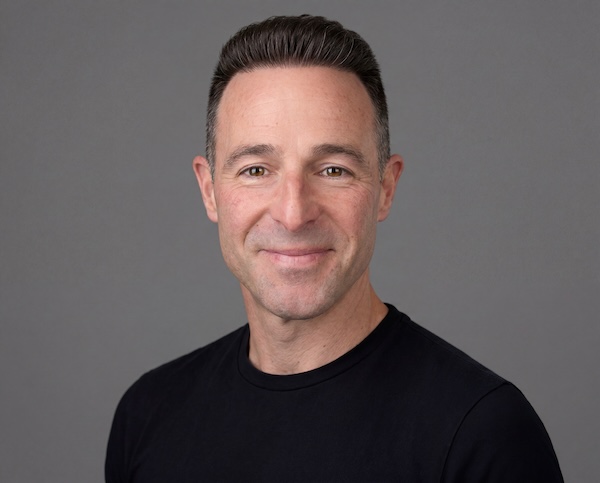
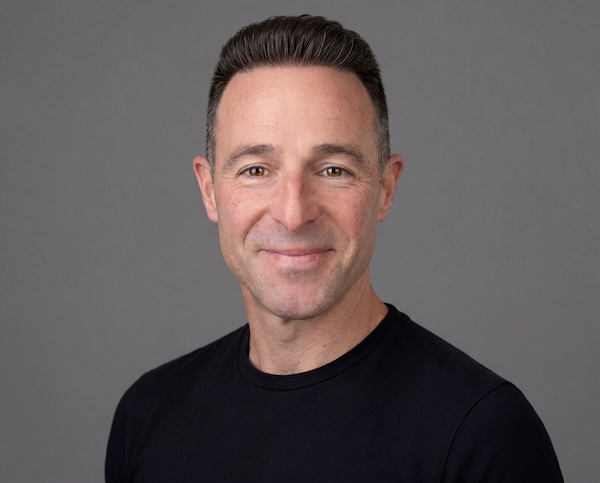
Author: Mark Ainely | Partner GC Realty & Development & Co-Host Straight Up Chicago Investor Podcast
Tim is back from vacation, and this week we spent most of Chicago Landlord Secrets talking about Mayor Brandon Johnson’s proposed Protecting Renters Ordinance.
The proposal is being presented as protection for renters, but the bigger question is what happens after landlords react to the new costs and restrictions.
We also talked about Chicago’s housing shortage, why adding more regulation does not create more housing, and finished with a new Start, Bench, Cut real estate investing game.
Mayor Johnson's PRO Proposal
The proposed PRO ordinance is moving quickly through Chicago City Hall.
Tim discussed a September 23 housing committee vote and why the committee matters. If the ordinance gets through that step, it could move toward a broader City Council vote.
The biggest concern continues to be just cause non-renewals and relocation payments.
Mayor Johnson has reportedly discussed reducing some of the proposed relocation payments and expanding certain exemptions for owner-occupied properties. But that still does not address the biggest problem.
Landlords will price risk into rent.
If it becomes significantly more expensive to regain possession of a property, owners are going to account for that risk before they ever sign the lease.
Some owners may raise rents. Others may become much stricter with applicant screening. Some may sell their rental properties entirely.
That ultimately reduces options for tenants.
The alternative FAIR proposal discussed in previous episodes takes a different approach, including broader protections for smaller landlords and removing the just cause relocation payment requirement.
For landlords, this is the time to pay attention. The details are changing quickly, and whatever passes could affect nearly every rental owner in Chicago.
How This Could Hurt Chicago Tenants
Chicago does not have a housing problem because landlords are refusing to offer enough rules.
Chicago needs more housing.
Adding another city department, more registration requirements, more administration, and more financial risk does not create another apartment.
It can do the opposite.
Tim and I talked about existing housing programs where units sit vacant or administrative delays make housing harder to provide. Creating another layer of government does not automatically solve that.
The better long-term solution is increasing supply.
If developers can build more apartments, condos, townhomes, and houses, renters get more choices. More choices create competition between landlords.
Competition helps control rent.
When inventory is tight, landlords do not have to compete as aggressively because renters have fewer alternatives.
That is why the unintended consequences of PRO matter.
A law can be called “Protecting Renters,” but if it causes owners to increase rent, tighten screening, sell rental units, or avoid investing in Chicago, the renter may ultimately pay the price.
The conversation should not just be about what sounds good in a headline.
It should be about what happens two or three steps later.
Start, Bench, Cut: Real Estate Investor Edition
We finished the episode with a new game: Start, Bench, Cut.
For counties, I started DuPage, benched Lake, and cut Cook.
For rental strategies, I started mid-term rentals, benched long-term rentals, and cut short-term rentals.
Short-term rentals can work, but they require a much heavier operation and are facing more restrictions from local municipalities.
For buy and hold, flipping, or wholesaling, I started buy and hold, benched flipping, and cut wholesaling.
Then we talked about a first-time investor choosing between a condo, single-family house, or four-unit building.
I started the four-unit.
The ability to control a larger property with relatively little money down can create an opportunity that is difficult to reproduce in other investments.
The most interesting disagreement came when comparing 40 single-family houses, ten four-unit buildings, or one 40-unit building.
I chose the 40 single-family homes first.
Tim chose the 40-unit building.
That disagreement is actually the point.
There is no single correct way to build wealth in real estate. Some investors prioritize efficiency and scale. Others prioritize diversification, appreciation, and the flexibility that comes with scattered properties.
Getting into the game and understanding your strategy matters more than copying somebody else.
Questions We Answer in This Episode
Q: When is the proposed PRO ordinance expected to reach the housing committee?
A: The date discussed in this episode was September 23.
Q: Why could PRO increase rent?
A: Landlords may price the additional financial and legal risk into future rents.
Q: Could PRO reduce Chicago rental inventory?
A: That is one concern discussed in the episode. Some owners may decide selling is more attractive than continuing to rent under additional restrictions.
Q: What would help Chicago’s housing shortage?
A: Increasing housing supply and making it easier for private owners and developers to create more units.
Q: What investment strategy did Mark rank first?
A: Buy and hold was the top strategy, while a four-unit was the preferred starting property for a new investor.
Show Notes and Timestamps
00:39 Welcome back to Chicago Landlord Secrets
01:43 Chicago heat requirements and September landlord preparation
02:37 Mayor Johnson’s PRO proposal and growing opposition
03:19 September 23 housing committee vote
06:30 Political pressure surrounding the proposed ordinance
10:43 Proposed changes to relocation payments and landlord exemptions
13:50 Why PRO could ultimately increase rents
15:00 New renter rights department and concerns about more bureaucracy
22:32 What landlords can do before the vote
25:35 Start, Bench, Cut real estate investing game
Key Takeaways for Chicago Landlords
The PRO ordinance is moving quickly through City Hall.
Just cause non-renewal rules remain one of the biggest concerns.
Lower relocation payments do not eliminate the additional risk for owners.
Increased landlord risk can eventually translate into higher rents and stricter screening.
Chicago needs more housing supply, not simply more housing regulation.
Landlords should follow the City Council process and communicate with their alderman.
Buy and hold remains one of our preferred long-term investing strategies.
There is no single correct portfolio strategy, but investors need to understand the trade-offs before choosing one.
Guest Information
Mark Ainley
Founder & Partner – GC Realty & Development
Podcast Co-Host – Straight Up Chicago Investor
Tim Harstad
Founder – Chicago Style Management
Because finding good tenants and property management shouldn’t feel like online dating.
Dear Investor,
If you are an investor in either the city or suburbs of Chicago, I would love to speak with you about how we can help you on your real estate journey. At GC Realty & Development LLC, we help hundreds of Chicagoland real estate owners and brokers each year manage their assets with both full service property management and tenant placement services.
We understand that every investor’s goals are unique, and we love learning about each client’s individual needs. If there is an opportunity to help you buy back your time by managing your rental property or finding quality tenants, please check us out.
Best Investing,

Founder, Partner, Podcast Co-Host, and Investor