
 Vendor Portal
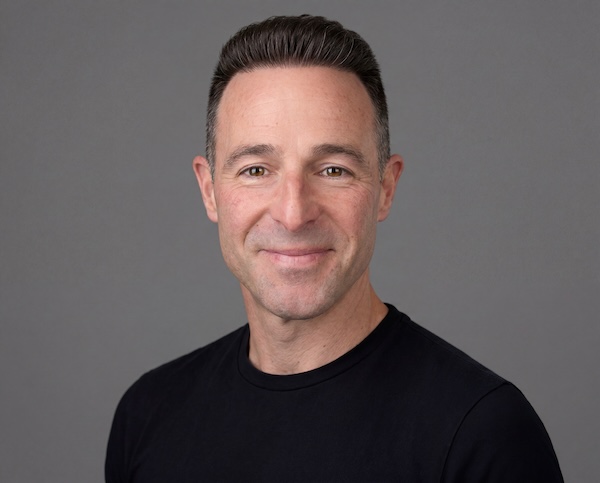
Author: Mark Ainely | Partner GC Realty & Development & Co-Host Straight Up Chicago Investor Podcast
Senior housing is not just another version of multifamily.
It may look like real estate from the outside, but once you move past 55-plus active adult housing, the business becomes more operational, more regulated, more labor-intensive, and more complex than a typical apartment deal.
In this episode, Tom Shallcross and Mark Ainley sit down with Mark Myers to break down the senior housing sector from the perspective of an experienced broker, investor, and advisor who has spent roughly 30 years in the space.
Mark explains the difference between active adult, independent living, assisted living, memory care, and nursing homes. He also walks through why senior housing is really an operating business wrapped in real estate, why operators matter more than almost anything else, how underwriting differs from multifamily, and where opportunities still exist in Chicago, the Midwest, and across the country.
For Chicago real estate investors, this episode is a good reminder that higher returns usually come with higher complexity. Senior housing can be a strong asset class, but it is not a place to casually jump in without the right operator, capital structure, underwriting, insurance, and risk management.
Questions We Answer in This Episode
Q: What’s the housing provider tip of the week?
A: Mark reminds landlords to change locks between tenants. A former tenant recently walked into a River North condo because the locks were not changed, creating a serious situation involving police, attorneys, and tenant safety concerns.
Q: What is senior housing?
A: Senior housing is a broad category that includes active adult or 55-plus communities, independent living, assisted living, memory care, and nursing homes. Each level has a different operating model, care level, staffing need, and risk profile.
Q: How is active adult different from traditional multifamily?
A: Active adult housing is closest to multifamily, but it is built around a social model. Residents are typically 55 or older, with a typical age around 71, and the property usually includes more activity space and programming.
Q: How is assisted living different from independent living?
A: Independent living usually includes food and housekeeping. Assisted living adds support for residents who need help with activities like medication reminders or basic daily assistance.
Q: Why is senior housing more complicated than multifamily?
A: Mark explains that senior housing, especially assisted living, memory care, and nursing homes, is an operating business inside real estate. Food, labor, care, reimbursement, regulation, staffing, insurance, and liability all matter.
Q: Why is the operator so important?
A: Mark says investors should not enter senior housing without a strong operator. The operator understands staffing, care levels, margins, financial statements, reimbursement, resident mix, and the day-to-day details that can make or break the deal.
Q: What are the biggest underwriting differences from multifamily?
A: A nursing home financial statement can have hundreds of lines. Instead of simple rent and expense categories, investors may need to understand Medicare, Medicaid, private pay, labor, dietary costs, insurance, workers comp, therapy, staffing, and more.
Q: Why do investors buy nursing homes if the business is so hard?
A: Nursing homes can offer higher returns, management fees, ancillary business opportunities, and higher cap rates. But the risk is also higher, and a bad operator or bad partner can cause major losses quickly.
Q: What are the risks in senior housing?
A: Risks include staffing shortages, reimbursement changes, Medicaid payment delays, resident injuries, lawsuits, insurance issues, regulation, bad partners, poor financial controls, and overbuilding in certain submarkets.
Q: What advice does Mark give to someone interested in senior housing?
A: Learn the operating side first, align with a good operator, understand the financial statements, and only then align with capital. Mark warns that raising money before understanding operations can lead to going too fast and crashing.
Show Notes
01:51 Housing provider tip: change locks between tenants to avoid major liability
03:21 Mark Myers joins the podcast to discuss senior housing for real estate investors
03:33 Defining senior housing: active adult, independent living, assisted living, and nursing homes
04:58 How Mark got into senior housing brokerage in the 1990s
11:27 Why senior housing is an operating business wrapped in real estate
19:26 Underwriting senior housing and why a good operator is essential
21:24 Why investors buy nursing homes despite tighter margins and higher complexity
26:40 Red flags when reviewing senior housing deals and financials
34:36 Liquidity risk, Medicaid delays, and why working capital matters
44:15 Senior housing markets, Chicago opportunities, and why overbuilding can create long-term problems
Takeaways for Chicago Property Managers and Landlords
Changing locks between tenants is a basic safety and liability step.
Senior housing is not one simple category. Active adult, independent living, assisted living, memory care, and nursing homes are very different businesses.
Active adult is the closest category to multifamily, but it still has a stronger social and activity component.
The higher the care level, the more the investment depends on operations, staffing, reimbursement, insurance, and regulation.
A strong operator is the most important part of a senior housing investment.
Senior housing financial statements can be much more complex than apartment financials.
Labor is a major factor, especially in assisted living, memory care, and nursing homes.
Overbuilding senior housing can take years to absorb because demand and move-in velocity are different from traditional apartments.
Chicago can be a good senior housing market, but Cook County taxes, politics, entitlements, and submarket-level competition matter.
Investors should understand the risk before chasing higher cap rates.
Guest info
Guest Name: Mark Myers
Guest Company: Kiser Group
Because finding good tenants and property management shouldn’t feel like online dating.
Dear Investor,
If you are an investor in either the city or suburbs of Chicago, I would love to speak with you about how we can help you on your real estate journey. At GC Realty & Development LLC, we help hundreds of Chicagoland real estate owners and brokers each year manage their assets with both full service property management and tenant placement services.
We understand that every investor’s goals are unique, and we love learning about each client’s individual needs. If there is an opportunity to help you buy back your time by managing your rental property or finding quality tenants, please check us out.
Best Investing,

Founder, Partner, Podcast Co-Host, and Investor