
 Vendor Portal
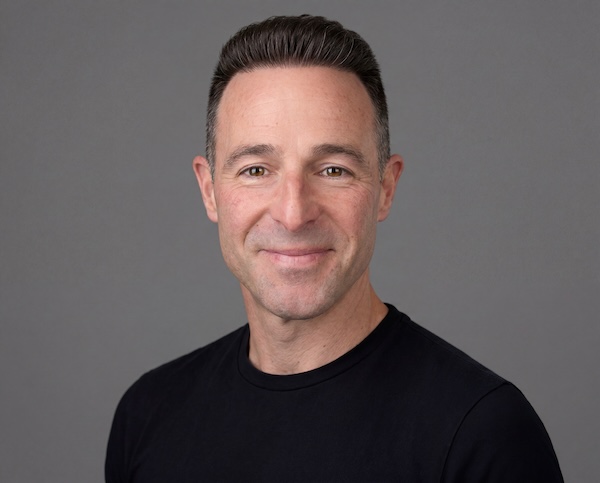
Author: Mark Ainely | Partner GC Realty & Development & Co-Host Straight Up Chicago Investor Podcast
Getting started in real estate often comes down to one question.
How do I finance the first deal?
In this Straight Up Tuesday Tip, Tom Shallcross and Mark Ainley sit down with Chris Puleo to talk through financing options for newer investors, especially those looking at house hacking, small multifamily, FHA loans, conventional loans, DSCR loans, down payment strategies, seller credits, tax prorations, and long-term ownership.
Chris explains why many new investors have more options than they realize, how rents can help a buyer qualify, why owner-occupied financing can be such a powerful entry point, and why investors should talk to a lender before assuming they are not ready.
The conversation also covers the difference between buying short term versus holding long term, why higher interest rates do not always mean investors should wait, and how credits and tax prorations can dramatically reduce the cash needed at closing when structured correctly.
For Chicago landlords and real estate investors, this episode is a reminder that financing is not just about the lowest rate. It is about matching the loan, the down payment, the reserves, the timeline, and the investment strategy to the buyer’s actual goals.
Questions We Answer in This Episode
Q: What question started this Tuesday Tip?
A: A young investor emailed in asking what financing options are available when starting the real estate investing journey.
Q: What is one of the best financing options for a new investor?
A: Chris points to house hacking as one of the strongest entry points. A buyer can live in one unit, rent out the others, use rental income to help qualify, and potentially use a lower down payment owner-occupied loan.
Q: How can house hacking work for college students or younger buyers?
A: Chris explains that a student or younger buyer may be able to partner with a parent or someone else, buy a three or four-unit near school, live in one unit, and rent the others to roommates instead of paying room and board.
Q: What is a DSCR loan?
A: A DSCR loan is a true investment property loan where the borrower is not living in the property. The lender looks heavily at the market rents and whether the property income can support the debt.
Q: How much down payment is usually needed for an investment property?
A: Chris says investment properties usually require a larger down payment, often around 20% to 25%. Lower down payment options may exist, but he warns they can be expensive and harder to cash flow.
Q: How low can the down payment be on an FHA house hack?
A: If the property qualifies for FHA and meets the requirements, Chris says an owner-occupant may be able to put as little as 3.5% down.
Q: Why are two-unit properties attractive for first-time house hackers?
A: Chris likes two-units because they are easier to qualify for than three or four-unit properties in many local scenarios, and they help new investors learn how to be a landlord while living next door.
Q: How can seller credits and tax prorations help at closing?
A: Chris explains that seller credits can offset closing costs and prepaid items, while tax proration credits can reduce the amount of cash the buyer brings to closing, especially when closing before property tax bills are paid.
Q: Should investors wait for interest rates to drop?
A: Chris argues that waiting can be risky because lower rates may bring more buyers into the market and push prices higher. His view is that long-term investors may be better off buying the right property now and refinancing later.
Q: What should investors ask their loan officer?
A: Chris says investors should work with a loan officer who asks about short-term and long-term goals, not just how much money they plan to put down.
Show Notes
00:15 A young investor asks about financing options for a first investment property
00:38 House hacking as an owner-occupied strategy for small multifamily buyers
01:17 Using a college house hack to build equity instead of paying room and board
02:40 DSCR loans and using market rents to qualify for investment property financing
03:26 Why new investors should talk to a lender before assuming they are not ready
04:32 FHA house hacking, 3.5% down, and why two-units can be easier than three or four-units
05:52 FHA and conventional loan limits for small multifamily properties
06:54 Using seller credits, tax prorations, and timing to reduce cash needed at closing
09:39 Interest rates, inventory, and why waiting may create more competition later
12:50 Why investors should “date” their loan officer and ask better financing questions
Takeaways for Chicago Property Managers and Landlords
- New investors may have more financing options than they realize.
- House hacking can be one of the best ways to enter real estate with a lower down payment.
- Rental income from other units can help owner-occupants qualify.
- Two-unit properties can be a strong first step for new landlords.
- DSCR loans can help investors qualify based more on the property’s income than personal income.
- Investment properties usually require more money down than owner-occupied properties.
- Seller credits and tax prorations can reduce the buyer’s cash needed at closing.
- Higher leverage can help buyers get started, but it also increases risk and requires reserves.
- Short-term buyers should be careful in today’s market.
- Long-term investors should focus on the full plan, not just the interest rate.
Guest info
Guest Name: Chris Puleo
Guest Company: The Puleo Group
Guest Link: https://www.rate.com/loan-officers/chris-puleo-204168
Because finding good tenants and property management shouldn’t feel like online dating.


Dear Investor,
If you are an investor in either the city or suburbs of Chicago, I would love to speak with you about how we can help you on your real estate journey. At GC Realty & Development LLC, we help hundreds of Chicagoland real estate owners and brokers each year manage their assets with both full service property management and tenant placement services.
We understand that every investor’s goals are unique, and we love learning about each client’s individual needs. If there is an opportunity to help you buy back your time by managing your rental property or finding quality tenants, please check us out.
Best Investing,

Founder, Partner, Podcast Co-Host, and Investor