
 Vendor Portal
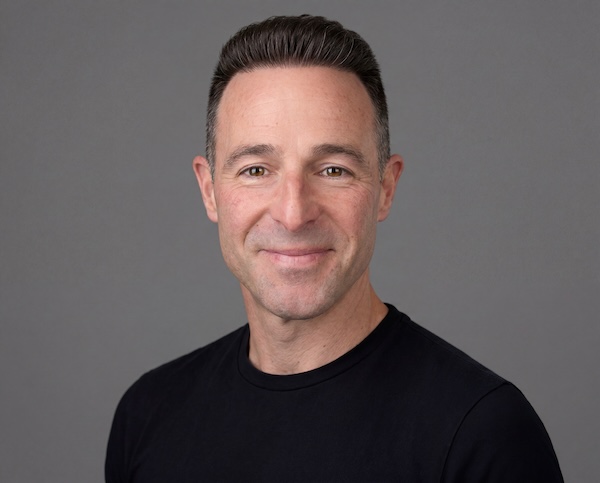
Author: Mark Ainely | Partner GC Realty & Development & Co-Host Straight Up Chicago Investor Podcast
Pilsen has always been one of Chicago’s most recognizable neighborhoods.
It has history, architecture, culture, small businesses, long-time owners, new development pressure, and some of the biggest housing debates happening in the city right now.
In this episode, Tom Shallcross and Mark Ainley sit down with Miguel Chacon to talk about Pilsen, Chicago’s 25th Ward, housing policy, zoning, ADUs, small property owners, development, affordability, and why Miguel believes more housing is needed across the city.
Miguel shares his background as a real estate investor, broker, neighborhood housing provider, and community advocate. He also explains how his family’s real estate story shaped his views on ownership, generational wealth, and why he believes Chicago policies often make it harder for everyday owners to survive.
This episode gets into some direct policy disagreements, especially around zoning, demolition fees, rent control, affordable housing development, and the political perception of landlords and real estate professionals. For Chicago investors, landlords, and housing providers, the main takeaway is that local policy matters. It affects who can build, who can stay, who can afford to own, and what neighborhoods look like 10 or 20 years from now.
Questions We Answer in This Episode
Q: What’s the housing provider tip of the week?
A: If you are buying a building, make sure utilities are scheduled before closing. Mark recommends setting up utilities a few days before closing so common area electric, gas, boilers, sump pumps, and hot water do not get shut off right after you take ownership.
Q: Who is Miguel Chacon?
A: Miguel is a real estate investor, broker, neighborhood housing provider, and community advocate who lives and invests in Pilsen and Chicago’s 25th Ward.
Q: How did Miguel get started in real estate?
A: Miguel says his mother encouraged him and his brothers to invest in real estate. He bought his first three-flat in Pilsen before finishing his senior year of college and has been a real estate broker since 2005.
Q: What has changed in Pilsen since 2005?
A: Miguel says Pilsen has seen major changes, especially over the last 10 years. He describes a split market where some apartments are fully renovated and renting at higher levels, while other older units still operate with a much more basic housing model.
Q: Why does Miguel believe Chicago needs more housing?
A: Miguel argues that Chicago is not building enough housing to meet demand. He believes limited housing production contributes to higher rents, lower vacancy, higher taxes, and fewer options for families.
Q: What does Miguel think should change with zoning?
A: Miguel says major streets should be upzoned across Chicago, especially near public transportation. He believes corridors like Western and 18th Street could support more housing if zoning made development easier.
Q: What is Miguel’s concern with demolition fees in Pilsen?
A: Miguel argues that the $60,000 demolition fee can hurt smaller property owners, especially when a building is unsafe or beyond repair. He says policies intended to stop displacement can sometimes reduce value for long-time owners and make redevelopment harder.
Q: What does Miguel say about small property owners?
A: Miguel says many small and minority property owners have carried neighborhoods for decades but often lack access to capital, city programs, legal help, or repair funds. He believes more support should go directly to these owners.
Q: Why does Miguel support ADUs and gentle density?
A: Miguel believes ADUs, garden units, coach houses, and convertible two-flats can help create more flexible housing without changing the character of every block. He sees this as a way for owners to offset taxes and create more housing options.
Q: What does Miguel want Pilsen to look like in 10 years?
A: Miguel says he wants Pilsen to be welcoming, more affordable, safer, stronger for families, better served by schools and parks, and still connected to its cultural history while allowing more housing and business growth.
Show Notes
01:40 Housing provider tip: set up utilities before closing on a building
03:30 Miguel Chacon joins the podcast to talk Pilsen, real estate, and the 25th Ward
04:24 Miguel’s family background and buying his first three-flat in Pilsen
05:45 Pilsen in 2005, the Great Recession, and how the neighborhood has changed
08:21 Chicago housing supply, ADUs, affordability, and why Miguel supports more development
17:27 The Northwest Side Housing Preservation Ordinance, demolition fees, and small owner concerns
21:49 Zoning changes Miguel would make across Chicago’s major streets
26:38 Pilsen population trends, school utilization, parking, and changing household patterns
38:02 Why Miguel is running for alderman and what he wants to change in the 25th Ward
44:16 Miguel’s vision for Pilsen over the next 10 years
Takeaways for Chicago Property Managers and Landlords
Utility setup should be part of every closing checklist.
Pilsen remains one of Chicago’s most important housing and development conversations.
Local zoning decisions directly affect affordability, development, taxes, and neighborhood growth.
Small property owners often carry naturally occurring affordable housing, but they may not have the resources to handle major repairs.
Miguel argues that more housing production is needed across Chicago, especially near major corridors and transit.
ADUs and garden units can create gentle density without requiring every project to be a large development.
Demolition fees and preservation policies can have unintended consequences for small owners when buildings are unsafe or financially impossible to repair.
Housing policy often affects small landlords differently than large institutional owners.
Neighborhood businesses need enough local density to survive.
Real estate investors should pay attention to ward-level politics because local decisions shape what can be built, renovated, rented, or sold.
Guest info
Guest Name: Miguel Chacon
Guest Company: Compass
Guest Link: https://www.chaconfor25.com/
Because finding good tenants and property management shouldn’t feel like online dating.
Dear Investor,
If you are an investor in either the city or suburbs of Chicago, I would love to speak with you about how we can help you on your real estate journey. At GC Realty & Development LLC, we help hundreds of Chicagoland real estate owners and brokers each year manage their assets with both full service property management and tenant placement services.
We understand that every investor’s goals are unique, and we love learning about each client’s individual needs. If there is an opportunity to help you buy back your time by managing your rental property or finding quality tenants, please check us out.
Best Investing,
Founder, Partner, Podcast Co-Host, and Investor