
 Vendor Portal

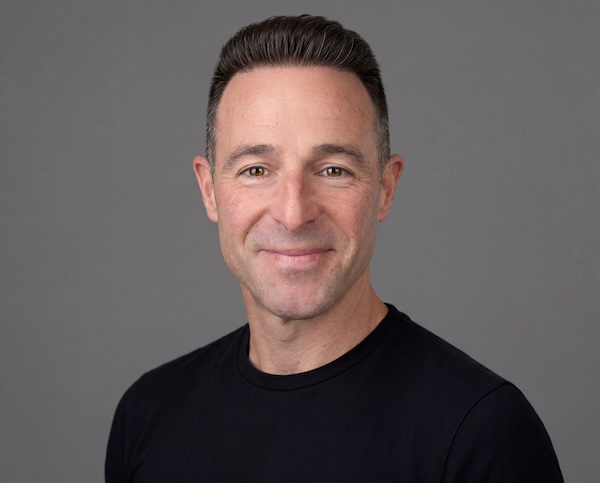
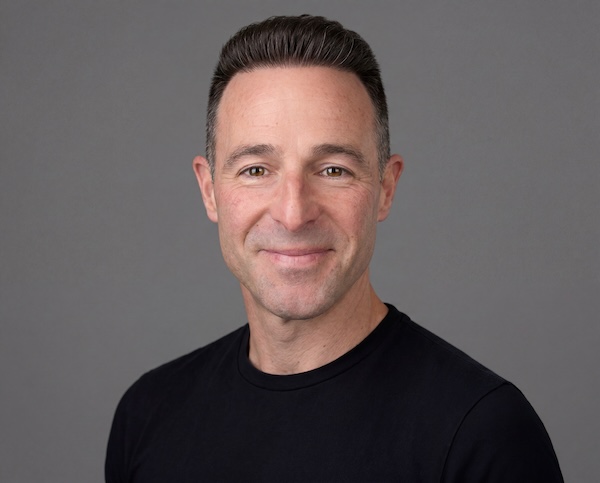
Author: Mark Ainely | Partner GC Realty & Development & Co-Host Straight Up Chicago Investor Podcast
Chicago House Flipping Through Wholesaling, Subject-To, and Creative Financing With Oscar Medina
What does it take to go from watching YouTube videos about wholesaling to completing dozens of real estate deals before turning 24?
For Oscar Medina, it started with a simple idea: find people who know more than you, learn the business, and start taking action.
Today, Oscar is a Chicago real estate investor who has moved from wholesaling properties nationwide to building a house-flipping business focused primarily on Cook County and DuPage County. After completing seven flips in his first year, he entered 2026 targeting more than 35 flips.
And he has some impressive numbers to share.
One of his deals in Wheaton involved purchasing a property for approximately $615,000 and reselling it as-is for $975,000. On another project in Lake Barrington, permitting issues and renovation overruns turned an expected $80,000 profit into roughly $12,000.
In this episode of the Straight Up Chicago Investor Podcast, Tom Shallcross and Mark Ainley sit down with Oscar to discuss real estate wholesaling, subject-to financing, seller financing, finding off-market properties, funding fix-and-flips, and building systems that allow investors to scale.
Oscar also breaks down why he eventually moved away from wholesaling, the risks of subject-to transactions, how he generates leads through marketing, and the importance of having the right people around you.
Whether you're trying to complete your first wholesale deal or scale a Chicago house-flipping business, this conversation offers practical insight into the opportunities and risks involved.
Questions We Answer in This Episode
Q: What is the housing provider tip of the week?
A: Mark recommends building a relationship with a knowledgeable real estate attorney, especially with Illinois and Chicago rental laws changing. Landlords and investors should review their leases, addendums, and legal documents with an attorney familiar with local real estate regulations rather than relying on outdated templates.
Q: Who is Oscar Medina, and how did he get started in Chicago real estate investing?
A: Oscar grew up around Chicago's Belmont Cragin and Austin neighborhoods. After joining the military at 18 as a reservist, he returned home and began exploring real estate investing. A YouTube video about making $20,000 through wholesaling caught his attention, leading him to Facebook real estate groups, experienced investors, and eventually his first wholesale deals.
Q: How did Oscar complete more than 40 wholesale deals in approximately 18 months?
A: Oscar joined a four-person team where each member handled different responsibilities, including marketing, acquisitions, dispositions, and transaction coordination. Their strategy relied heavily on email marketing, sending personalized offers to agents, and identifying properties that could work for subject-to or seller-financing transactions. Although the team eventually separated, Oscar credits that experience with helping him learn the business quickly.
Q: What is subject-to financing in real estate?
A: A subject-to transaction involves acquiring ownership of a property while the seller's existing mortgage remains in place. The buyer agrees to make payments on that loan rather than obtaining a traditional mortgage assumption. However, the original borrower generally remains legally responsible for the debt, and the lender may have contractual rights to demand repayment under a due-on-sale clause. Oscar explains how these transactions can create opportunities for sellers with little equity, but they involve significant legal and financial risks.
Q: What are the biggest risks of subject-to real estate deals?
A: The seller may remain responsible for the mortgage even after transferring ownership. If the buyer stops making payments, the seller can face damaged credit, delinquency, and foreclosure risk. Oscar shares an early deal where he assigned a subject-to contract to a buyer who subsequently stopped making payments, resulting in disputes and legal threats. He stresses the importance of disclosure, appropriate contracts, experienced attorneys, and loan-payment monitoring.
Q: Why did Oscar switch from wholesaling to fixing and flipping houses?
A: After connecting with experienced investor Aram Gazarian, Oscar realized that the same acquisition skills he had developed through wholesaling could be used to purchase and renovate properties himself. Although wholesaling allowed him to generate deal flow without personally renovating properties, he found that marketing, staffing, and assignment-related expenses significantly reduced his profits. House flipping offered greater potential returns, along with greater capital requirements and project risk.
Q: How does Oscar find off-market properties in Chicago and the suburbs?
A: Oscar focuses primarily on Cook County and DuPage County, using public records, lead-generation platforms, and a systematic marketing approach. His primary acquisition channel is SMS outreach. Rather than relying on one marketing campaign, he measures lead volume, conversations, and consistency to evaluate his process. Investors considering similar marketing methods must account for applicable telemarketing, consent, and privacy requirements.
Q: What was Oscar's most profitable real estate deal?
A: Oscar describes buying a property in Wheaton for approximately $615,000 and selling it as-is for $975,000 without completing a renovation. He reports receiving approximately $375,000 from the transaction. This was an unusually successful acquisition, and the figures discussed do not independently establish the transaction's final net profit after every expense.
Q: What mistakes should Chicago house flippers avoid?
A: Oscar emphasizes being realistic about after-repair value (ARV), renovation costs, and potential profit. He describes a Lake Barrington flip where unexpected construction expenses, permitting issues, stop-work orders, and fines reduced an anticipated $80,000 profit to approximately $12,000. His advice is to remain ambitious about your goals while being conservative and realistic when underwriting individual properties.
Q: How does Oscar finance multiple house flips at the same time?
A: Oscar discusses using Kiavi for fix-and-flip financing, along with private lenders for transactions requiring additional flexibility or cash. He reports receiving financing terms based on his relationship and experience, including approximately 9% to 10% interest and a 1% origination fee at the time of the recording. These are his reported terms, not generally available or guaranteed lending rates. He also emphasizes maintaining liquidity for unexpected acquisition and project expenses.
Show Notes
02:15 Chicago landlord tip: preparing leases and building relationships with real estate attorneys
03:47 Oscar Medina's background, military experience, and getting started in real estate wholesaling
06:29 Scaling a wholesaling team and completing more than 40 deals in 18 months
09:18 What is subject-to financing? How creative real estate transactions work
14:36 Subject-to wholesaling mistakes, buyer defaults, contracts, and seller liability
22:34 Mortgage responsibility, seller credit risk, loan servicing, and due-on-sale concerns
30:11 Transitioning from wholesaling into Chicago house flipping with Aram Gazarian
32:10 Finding off-market properties through SMS marketing, Cook County records, and acquisition systems
40:45 House-flipping underwriting, after-repair value, costly renovations, and Oscar's Wheaton deal
45:22 Funding fix-and-flips with Kiavi, private money, and flexible financing strategies
Takeaways for Chicago Real Estate Investors
Wholesaling can help new investors learn acquisitions, negotiations, and deal analysis without immediately taking on a full renovation project.
Partnering with people who have complementary skills can accelerate learning and improve deal flow.
Subject-to financing is different from assuming a mortgage. The seller's existing loan remains in place, creating ongoing responsibility and potential risk.
Creative financing requires properly structured contracts, full disclosure, professional legal advice, and careful evaluation of lender requirements.
Low-equity properties and motivated sellers can create opportunities, but investors must understand the seller's circumstances and financial obligations.
A consistent acquisition process can be more valuable than any individual marketing campaign.
Public records and lead-generation platforms are useful starting points, but the ability to manage leads and execute deals differentiates investors.
Marketing through calls, texts, or email must comply with applicable consent, privacy, and solicitation laws.
Fix-and-flip profits depend heavily on purchasing at the right price and accurately estimating renovation expenses and ARV.
Permitting mistakes and construction overruns can eliminate the expected profit on an otherwise attractive property.
Relationships with private lenders and institutional fix-and-flip lenders can help investors move quickly, but financing expenses must be included in underwriting.
Liquidity matters even when a lender finances a large percentage of a project.
Experienced partners can help investors make the transition from assigning contracts to owning and renovating properties.
Building systems around marketing, hiring, acquisitions, and project execution becomes increasingly important as transaction volume grows.
Oscar's long-term goal is to develop a scalable house-flipping operation before moving into larger real estate development opportunities.
Guest info
Guest Name: Oscar Medina
Guest Company: AMG Realty
Guest Link: https://www.instagram.com/oscar_medina.01/
Because finding good tenants and property management shouldn’t feel like online dating.
Dear Investor,
If you are an investor in either the city or suburbs of Chicago, I would love to speak with you about how we can help you on your real estate journey. At GC Realty & Development LLC, we help hundreds of Chicagoland real estate owners and brokers each year manage their assets with both full service property management and tenant placement services.
We understand that every investor’s goals are unique, and we love learning about each client’s individual needs. If there is an opportunity to help you buy back your time by managing your rental property or finding quality tenants, please check us out.
Best Investing,

Founder, Partner, Podcast Co-Host, and Investor