
 Vendor Portal
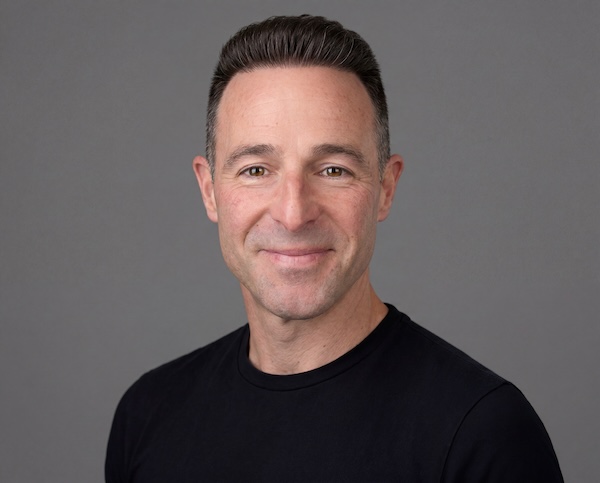
Author: Mark Ainely | Partner GC Realty & Development & Co-Host Straight Up Chicago Investor Podcast
Insurance is one of those things investors often do not think about until something goes wrong.
But when a property is under construction, vacant, being gutted, or even just partially remodeled, a normal insurance policy may not protect you the way you think it does.
In this Straight Up Tuesday Tip, Tom Shallcross and Mark Ainley sit down with Josh Steigelmann to break down builder’s risk insurance, when it is needed, how it works, and why Chicago real estate investors should not treat it as an optional detail.
Josh explains the difference between a full builder’s risk policy and a builder’s risk endorsement, how lenders look at construction coverage, why occupancy matters, and what can happen when investors underinsure a property to save a few dollars.
This episode also covers Illinois insurance cost increases, wind and hail claims, roof coverage changes, and practical ways investors can review their policies before they get surprised by a loss.
Questions We Answer in This Episode
Q: What is builder’s risk insurance?
A: Builder’s risk is insurance coverage for a property while it is under construction. It can apply to new construction, full gut rehabs, major renovations, and smaller remodeling projects depending on the situation.
Q: When do you need a full builder’s risk policy?
A: A full policy is usually needed when you are building a new property from the ground up or doing a major construction project, especially when a construction lender is involved.
Q: When can builder’s risk be added as an endorsement?
A: If you already have an existing policy and are remodeling part of a property, like one unit in a multi-unit building, you may be able to add builder’s risk as an endorsement instead of buying a separate policy.
Q: What does builder’s risk typically cover?
A: It can cover the property while it is under construction, the end product being built, materials on site, theft of materials, and certain losses that can happen during the project.
Q: Why does occupancy matter so much?
A: Insurance companies care whether a property is occupied, unoccupied, or abandoned. If a property is vacant during a major rehab, builder’s risk can help prevent coverage issues tied to vacancy or abandonment.
Q: How long can a property be vacant before insurance issues come up?
A: Josh explains that many insurance companies may treat a property as abandoned after around 90 days with nothing in the home, while an unoccupied property can create concerns around 60 days if nobody has been in the building.
Q: Should investors add builder’s risk for a unit rehab?
A: Josh says yes, especially if the endorsement is available and not expensive. If you are spending money on a unit renovation, the endorsement can be a simple way to protect the project.
Q: What happens if an investor does not add the right coverage?
A: A claim could be denied or reduced, especially for construction-related issues or theft of materials. Having a standard replacement cost policy does not automatically mean every renovation-related risk is covered.
Q: Why are insurance costs rising in Illinois?
A: Josh points to weather, wind, hail, and tornado activity. He says Illinois has seen major claim activity, which is pushing insurance companies to raise rates and adjust coverage terms.
Q: What should investors review on their insurance policies right now?
A: Investors should check replacement cost, deductibles, wind and hail deductibles, roof and siding coverage, discounts, and whether their roof is covered at replacement cost or actual cash value.
Show Notes
00:20 Why builder’s risk insurance matters for Chicago real estate investors
00:32 What builder’s risk insurance covers during construction
01:07 When investors need a full builder’s risk policy
02:13 Construction loans, lender requirements, and additional insureds
03:14 Why occupancy is one of the biggest insurance factors
04:01 Vacancy, unoccupied properties, and abandoned property concerns
04:46 When to add builder’s risk as an endorsement for a unit renovation
06:03 What can go wrong if investors skip builder’s risk coverage
08:01 Why insurance costs are rising in Illinois
11:23 Roof and siding coverage changes investors should review before a claim
Takeaways for Chicago Property Managers and Landlords
Builder’s risk protects properties while they are under construction.
New construction and major rehabs usually need a full builder’s risk policy.
Smaller renovations may only need an endorsement added to the existing policy.
Lenders often require builder’s risk when a construction loan is involved.
Occupancy matters. Vacant or unoccupied properties can create insurance coverage problems.
If materials are stolen from a job site, a standard policy may not cover the loss the way investors expect.
Trying to underinsure a property to save a small amount in premium can create a major out-of-pocket problem after a loss.
Investors should review replacement cost values before a claim happens.
Wind and hail deductibles are becoming more important in Illinois.
Roof and siding coverage should be reviewed carefully because some carriers may shift those items to actual cash value.
Guest info
Guest Name: Josh Steigelmann
Guest Company: State Farm
Guest Link: www.statefarm.com
Because finding good tenants and property management shouldn’t feel like online dating.
Dear Investor,
If you are an investor in either the city or suburbs of Chicago, I would love to speak with you about how we can help you on your real estate journey. At GC Realty & Development LLC, we help hundreds of Chicagoland real estate owners and brokers each year manage their assets with both full service property management and tenant placement services.
We understand that every investor’s goals are unique, and we love learning about each client’s individual needs. If there is an opportunity to help you buy back your time by managing your rental property or finding quality tenants, please check us out.
Best Investing,

Founder, Partner, Podcast Co-Host, and Investor