

 Vendor Portal

Author: Mark Ainely | Partner GC Realty & Development & Co-Host Straight Up Chicago Investor Podcast
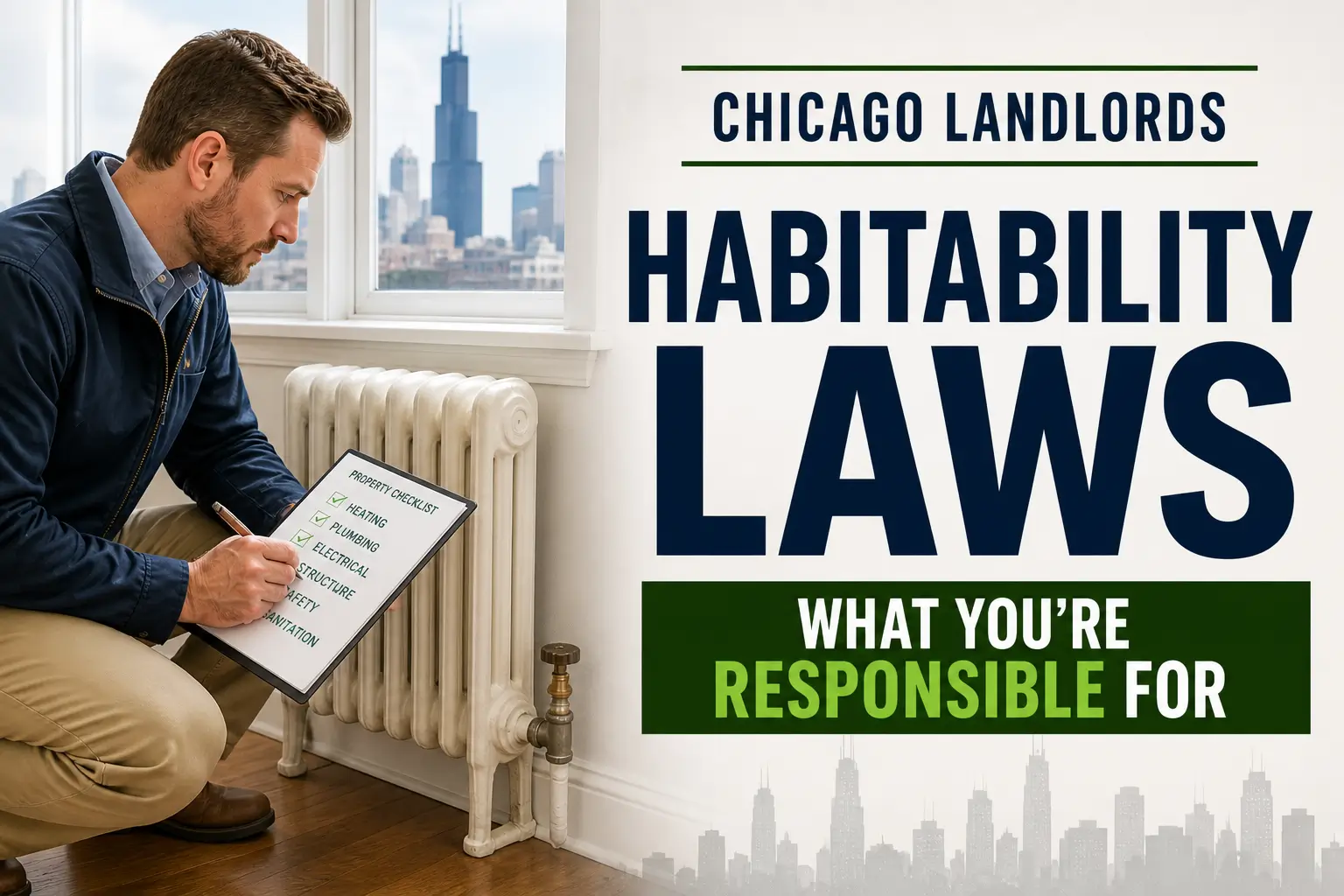
Owning rental property in Chicago comes with clear legal responsibilities. One of the most important is ensuring that every rental unit meets habitability standards. These laws are designed to protect tenants by requiring landlords to provide safe, livable conditions throughout the duration of a lease.
Failing to meet habitability requirements can lead to tenant disputes, legal claims, and financial penalties. For property owners, understanding these obligations is essential to protecting both the investment and long-term profitability.
Key Takeaways
Habitability laws require landlords to maintain safe, sanitary, and livable conditions at all times.
Timely and consistent maintenance is essential for compliance and helps prevent tenant disputes.
Clear documentation and accurate financial tracking protect property owners from legal risks and claims.
Professional and proactive management systems support long-term compliance and operational stability.
What Is Habitability in Illinois
Habitability refers to the legal requirement that rental properties must be fit for human occupancy. In Illinois, this is commonly known as the implied warranty of habitability. It applies to nearly all residential leases, whether written or verbal.
This means that landlords are responsible for maintaining essential systems and ensuring that the property remains safe and functional throughout the lease term. Habitability is not optional. It is a legal standard that cannot be waived in a lease agreement.
Core Landlord Responsibilities
To meet habitability standards in Chicago and the surrounding areas, landlords must ensure that key systems and structural components are properly maintained.
These responsibilities typically include:
Providing working plumbing systems
Maintaining safe electrical wiring
Ensuring proper heating, especially during Chicago winters
Keeping roofs, walls, and foundations structurally sound
Addressing pest infestations when they impact livability
Supplying running water and adequate sanitation
If any of these systems fail, landlords are expected to take action within a reasonable timeframe. Ignoring these issues can result in tenants exercising legal remedies.
The Importance of Timely Maintenance
One of the most common causes of habitability violations is delayed maintenance. Even minor issues can escalate if they are not addressed quickly. For example, a small leak can lead to water damage, mold growth, and structural concerns. What begins as a routine repair can turn into a significant legal and financial problem if ignored.
Working with professionals who manage maintenance services ensures that repair requests are handled efficiently and consistently. Prompt response times not only keep tenants satisfied but also demonstrate compliance with legal obligations. Preventative maintenance is equally important. Regular inspections and servicing reduce the risk of sudden failures that could compromise habitability.
Tenant Rights Under Habitability Laws
Tenants in Illinois have several rights if a landlord fails to maintain habitable conditions. These rights are designed to encourage landlords to address issues promptly.
Depending on the situation, tenants may be able to:
Request repairs in writing
Withhold rent under certain legal conditions
Arrange for repairs and deduct the cost from rent
Terminate the lease in severe cases
Pursue legal action for damages
Because these rights can have direct financial consequences, landlords must respond quickly and document all actions taken. Understanding tenant rights also helps property owners avoid unnecessary disputes and maintain positive relationships.
Documentation and Financial Protection
Proper documentation plays a key role in protecting landlords from claims related to habitability. Keeping detailed records of maintenance requests, repair timelines, and communications provides evidence that responsibilities are being fulfilled. In addition, organized financial tracking helps property owners manage repair costs and identify patterns that may require long-term solutions.
Using structured accounting and reporting allows landlords to maintain clear records of expenses and property performance. This level of organization becomes especially valuable if disputes arise or if legal action is required. Accurate documentation is not just good practice. It is a critical layer of protection.
Avoiding Common Legal Pitfalls
Many habitability issues arise not from neglect but from misunderstanding legal requirements. Local regulations, especially in the Chicago area, can be complex and vary by municipality.
Common mistakes include:
Failing to respond to maintenance requests promptly
Overlooking seasonal requirements such as heating standards
Not addressing recurring issues like leaks or pests
Lacking proper documentation of repairs
Staying informed about legal expectations is essential for long-term success. Property owners who regularly review compliance standards are better equipped to avoid costly mistakes. Reviewing common compliance risks can help identify gaps before they become serious problems.
The Role of Preventative Property Management
Preventative management is one of the most effective ways to stay compliant with habitability laws. Instead of reacting to issues, proactive systems help prevent them from occurring in the first place.
A structured management approach includes:
Routine property inspections
Scheduled maintenance services
Clear tenant communication channels
Vendor coordination and oversight
When these systems are in place, properties operate more smoothly and tenants experience fewer disruptions. This not only supports legal compliance but also improves tenant retention and overall satisfaction. Consistency is the foundation of strong property performance.
FAQs
What happens if a landlord ignores a repair request?
If a landlord fails to address a legitimate repair, tenants may have legal options such as withholding rent or pursuing repairs independently, depending on Illinois law.
Are landlords responsible for all repairs?
Landlords are responsible for maintaining essential systems and structural components. Tenants may be responsible for damages caused by misuse or negligence.
How quickly must repairs be completed?
Repairs must be completed within a reasonable timeframe. Urgent issues such as heating failures or plumbing leaks typically require immediate attention.
Can tenants break a lease due to habitability issues?
Yes, in severe cases where conditions are unsafe and not addressed, tenants may have the right to terminate the lease.
Does preventative maintenance help with compliance?
Yes, proactive maintenance reduces the risk of major issues and helps ensure that properties consistently meet habitability standards.
Don’t Go At This Alone!
We’ve shared a lot of information here on investing in real estate locally in Chicagoland. If you live outside the area, it may seem overwhelming for those wanting to invest in the Chicago market. But we really just look at it as a team sport.
Who’s on your investing team? Do you even have a team? GC Realty & Development, LLC has a dedicated team of professionals with decades of experience across all facets of real estate investment. We handle everything from brokerage to leasing and property management. Whether you hire us or not, we’re happy to provide our resources and expertise.
What gets me up in the morning and keeps me going 12 hours a day is the ability to add value to local area investors in Chicago and beyond! Those who connect with me often hear me say that our goal is to bring value to everyone we come in contact with.
We hope that in return, they will one day hire us for our tenant placement or property management services, refer us to someone they know, or leave a review about our services. We would clearly love all three; however, we’re happy whenever we get the opportunity to help!
%20(3)%20(1)_3.png)
_1.png)