
 Vendor Portal
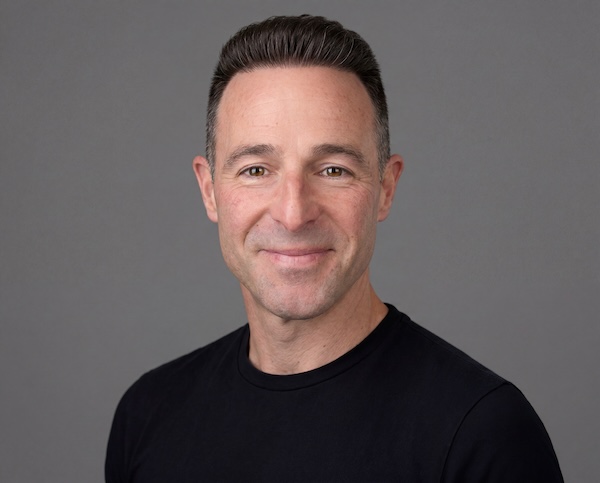
Author: Mark Ainely | Partner GC Realty & Development & Co-Host Straight Up Chicago Investor Podcast
A lot of housing providers only look at the bottom line, but they don’t see the direct impact that building failures have on comfort, maintenance, resident complaints, and long term costs. In this episode, I sat down with Tom Shallcross and our guest Joe Kipopaki from Insight Property Services, and we broke down the building science that explains why some properties feel tight and comfortable, and why others feel like a constant problem.
Joe lives in the world of heat flow, air flow, moisture flow, and how systems interact. If you’ve dealt with frozen pipes that “make no sense,” drafty first floors, humidity condensing on ductwork, or a building that just never feels stable, this conversation connects the dots.
Why Joe thinks differently than most inspectors
Joe grew up in a real estate family, working on properties early, and dealing with the kind of real maintenance that forces you to learn fast. Later, he became a home inspector and realized something important: home inspection training is broad, not deep. You’re looking at everything in a short window, so you see symptoms, but you don’t always have time to prove root cause.
Joe kept pushing deeper into the questions that owners actually care about, leaks, moisture, odors, comfort, and recurring failures. That’s what pulled him into building science and performance testing, because building science is the language that explains why the same problems keep repeating.
The building science concept that explains so many Chicago problems
The simplest idea that kept showing up in this episode is stack effect. Warm air leaves the top of the building, and cold air gets pulled in at the bottom to replace it. The taller the building, the more aggressive the effect, and that dynamic is the reason revolving doors exist on large buildings. It’s basically a human sized air valve.
In a Chicago two flat or three flat, the magnitude is smaller than a high rise, but the dynamic is still there. And once you understand it, you start seeing why first floor units get cold, why pipes freeze, and why “one person doing something upstairs” can create chaos downstairs.
The frozen pipe truth that most landlords miss
Joe said it plainly, every frozen pipe he’s ever come across is an air draft issue.
That should stop you in your tracks, because most owners assume frozen pipes are strictly about insulation or pipe location near an exterior wall. Joe explained that copper can tolerate cold better when it’s not being blasted by moving air. Put a draft on a pipe and you can freeze it fast, even when the pipe is not where you’d expect.
He shared real examples that make the point stick:
A pipe with hot radiator water moving through it froze solid and burst because a draft hit it.
A pipe froze about 12 feet into a house, which only makes sense if you accept that air pathways can carry cold deep into the structure.
A Christmas morning story where a back door was left propped open and the draft froze a pipe while people were opening gifts.
This is why I care when residents open windows in the winter. It’s not just annoying. It changes air movement, it creates drafts, it drives first floor comfort complaints, and it raises the risk of frozen pipes.
Air leakage is bigger than comfort, it hits air quality, humidity, and safety
Joe also connected air leakage to a bunch of issues that landlords deal with but don’t always connect back to air movement:
Combustion safety
Indoor air quality
Comfort and temperature balance
Humidity and condensation problems
He gave a summer example where humidity was being sucked into houses and condensing on ductwork, causing moisture to drip and triggering calls all through August and into September. The root cause was air leakage.
The simple rule Joe gave contractors
Joe’s advice to contractors was direct. There’s no good reason to leave anything drafty.
If you run a metal pipe through a brick wall, seal it. Foam it. If you install a skylight, caulk the drywall tunnel, even though nobody can see it, because you’re not doing it for aesthetics. You’re stopping air movement that will rise, condense on cold roof surfaces, and drip.
This is one of those things I wish more landlords understood. If walls are open, that’s your moment. Once finishes go back, access disappears and the cost of doing things right goes up fast.
Boilers vs heat pumps, and why the answer is not always one or the other
We spent a big chunk of time on heating systems, because Chicago landlords keep asking the same thing: do I keep the boiler, do I switch systems, do I go heat pump, do I go all electric?
Joe’s framing was practical. Boilers can be old and inefficient, but they’re effective, and they can deliver a lot of heat cheaply when it’s stupid cold outside and you need everything they’ve got. Heat pumps can handle moderate loads well, but there’s a performance zone, and once you get outside that zone, you need a heavy hitter.
Joe’s answer was not to automatically rip out the boiler. In many cases, it can make sense to keep the existing boiler around as the experienced veteran on reserve. When the new system is out of its performance zone, the boiler steps in and does what it’s always done, keep the building safe, keep people comfortable, and keep pipes from freezing.
We also talked about newer system options like VRF systems (variable refrigerant flow) and the idea of micro combined heat and power, where a gas unit can generate electricity and hot water heat, giving you more resilience if the electric grid goes down.
Why taking photos before drywall goes up is a landlord superpower
Joe talked about the limits of inspections and the reality of hidden conditions behind finishes. He also said something I completely agree with based on how we renovate and manage buildings: document everything before insulation and drywall go up.
We discussed how taking pictures of drain tile, insulation, and everything while the walls are open saves a ton of pain later, because people will question what was done, and future troubleshooting gets way easier when you can prove what’s behind the finished surfaces.
Questions We Answer in This Episode
Q: Why do first floor units get cold when upper floors leak air?
A: Because warm air leaving the top creates suction that pulls cold air in at the bottom. That stack effect drives drafts and comfort issues throughout the building.
Q: Why do pipes freeze even when they’re not right against an exterior wall?
A: Because frozen pipes are often an air draft issue. Drafts can travel deep into a structure if pathways exist, and moving cold air can freeze pipes quickly.
Q: What’s the simplest rule for preventing hidden performance problems during rehab?
A: Don’t put buildings back together drafty. Seal penetrations, foam openings, and address air leakage while access is easy, before finishes go back up.
Q: Should I rip out my boiler and switch to heat pumps?
A: Not automatically. A hybrid approach can make sense, keep the boiler as the heavy hitter for extreme cold and use heat pumps for moderate loads where they work best.
Q: What’s a practical way landlords can protect themselves on rehabs?
A: Take photos and video before drywall goes up. It helps prove quality work and makes future maintenance and buyer questions easier.
Show Notes & Timestamps
00:00 - Why building failures have a real impact on your building
02:10 - Introducing Joe Kipopaki and why we’re breaking down building science
16:51 - Why home inspection training is broad, and why Joe went into building science
17:39 - Building performance pathways and evaluating existing properties
26:08 - Stack effect, revolving doors, and why warm air leaving pulls cold air in
27:03 - Open windows, first floor drafts, and why that turns into frozen pipes
27:46 - Hot water in a radiator line freezing solid because a draft hit it
28:01 - Christmas morning pipe freeze story and why airflow matters
28:15 - A pipe freezing 12 feet into a house and how drafts travel
28:44 - Air leakage impacts comfort, humidity, air quality, and combustion safety
29:21 - “Seal it. Foam it.” Why leaving anything drafty is a mistake
34:51 - Boilers vs heat pumps and why Joe wants both in many buildings
35:53 - Micro combined heat and power and resilience when the grid goes down
40:18 - Using existing boilers as reserve and individualizing systems with VRF
58:32 - Tight building enclosures and how that enables better HVAC options
68:23 - Why flip houses make inspectors nervous and what you can’t see
69:26 - Taking pictures when walls are open so you can prove the work
Takeaways for Chicago Property Managers and Landlords
Air leakage is not just a comfort problem, it drives frozen pipes, humidity issues, and complaint volume.
If you want fewer winter emergencies, you need to think airflow first, not just insulation.
Don’t leave penetrations drafty, seal them while you have access, because access is what makes fixes expensive.
Boilers may be inefficient, but they are effective in extreme cold, and a hybrid approach can be smart.
Heat pumps can shine in moderate loads, but you need a plan for performance zones and Chicago cold snaps.
Document your rehab work before drywall goes up, photos and video reduce disputes and make future troubleshooting easier.
Guest info
Guest Name: Mark Ainley, Founder and Partner, GC Realty and Co Host, Straight Up Chicago Investor Podcast
Guest Company Website: www.gcrealtyinc.com
Because finding good tenants and property management shouldn’t feel like online dating.
Dear Investor,
If you are an investor in either the city or suburbs of Chicago, I would love to speak with you about how we can help you on your real estate journey. At GC Realty & Development LLC, we help hundreds of Chicagoland real estate owners and brokers each year manage their assets with both full service property management and tenant placement services.
We understand that every investor’s goals are unique, and we love learning about each client’s individual needs. If there is an opportunity to help you buy back your time by managing your rental property or finding quality tenants, please check us out.
Best Investing,
Founder, Partner, Podcast Co-Host, and Investor