
 Vendor Portal
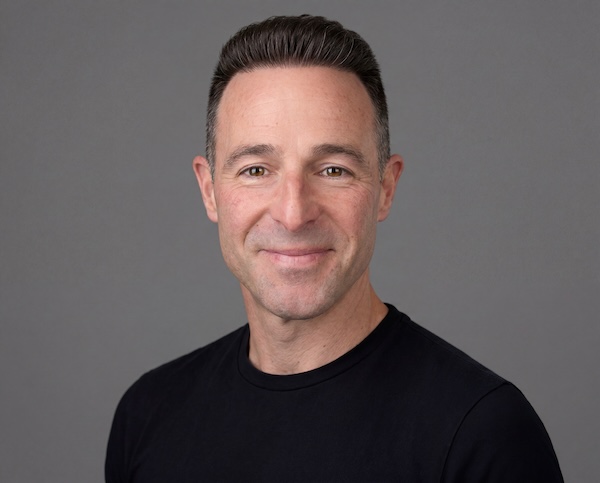
Author: Mark Ainely | Partner GC Realty & Development & Co-Host Straight Up Chicago Investor Podcast
There are a lot of episodes in real estate where the lesson is to save more money, wait until you are ready, or keep analyzing until the perfect deal shows up. This is not one of those episodes. Mike Scanlon’s story is about getting in the game with almost no cash, figuring out how to make the numbers work anyway, and using creativity to build real momentum in Chicago real estate.
What makes this one hit is how many different ways Mike found to keep moving forward. He bought his first condo with almost nothing out of pocket, rented by the room to live for free, found ugly deals on Facebook Marketplace, structured one purchase around a dollar acquisition with equity instead of cash, then used brokerage income to self-fund rehabs and keep scaling. None of it sounds neat or polished, but that is exactly why it is worth paying attention to.
There is also a bigger lesson here for Chicago investors. Mike is not just talking about strategy in theory. He is talking about what it looks like to grind when you are early, when you do not have much margin for error, and when every next step depends on making the last one work. For anybody trying to buy their first deal, house hack into a second one, or build a portfolio without starting from a pile of cash, there is a lot in this episode that feels real.
Housing Provider Tip of the Week
The housing provider tip of the week focused on lease renewals and how to handle a bigger rent increase without coming across like you are just trying to squeeze your tenant.
The advice was simple. If you are presenting a renewal increase of 5%, 6%, or 7% to get closer to market rent, try pairing it with something that adds value. That could be a new microwave, a fridge, a garage door opener, landscaping, or another improvement that shows you are reinvesting some of that increase back into the property. The point was not to avoid raising rent. The point was to handle it in a way that feels more reasonable and keeps the relationship healthier.
Questions We Answer in This Episode
Q: How did Mike get interested in real estate in the first place?
A: Mike’s path into real estate was not direct at all. After graduating from the University of Miami with degrees in psychology and criminology, he worked one-on-one with kids with autism, first in the US and later in Australia. He eventually came back, got his MBA, and thought he was going into stock market finance. What changed things was a random conversation while working an event job. One of the other servers was flipping houses and mentioned BiggerPockets. Mike started listening, running numbers, and realized that when you factor in cash flow, appreciation, and principal paydown, real estate looked a lot more compelling than the stock market.
Q: Why did Mike move to Australia?
A: He shared a wild story that, for a few hours, he was misdiagnosed with cancer. That scare hit him hard enough that he decided to do something he had always wanted to do, which was live abroad. Since he was already playing rugby and wanted to keep doing that seriously, Australia made more sense than colder rugby-heavy places like England or Ireland. He moved there at 23, joined a rugby club, and found work at an autism center almost immediately.
Q: What pushed him to finally go all in on real estate?
A: Another wild turn. Mike said he was modeling at the time and got selected for a reality show, which he thought might become his big break. A week before it happened, he contracted West Nile virus, got extremely sick, and had to be flown home from England. That experience made him realize he could not build his future around hoping something external would happen for him. So in late 2019, he decided to get his real estate license and build something for himself. Then COVID hit, rates dropped, and he used that time to go all in on learning real estate.
Q: What was Mike’s first investment deal?
A: His first deal was a condo in East Humboldt. He bought it for $310,000, negotiated a $10,000 closing credit, used his own commission as the agent, got a slight lender credit, and ended up closing with effectively less than zero dollars into the deal. He said he only had about $2,000 in his bank account at the time. The next day, he had two roommates moving in and was renting by the room, bringing in enough income to live for free and even come out ahead each month.
Q: Why was that first house hack so important?
A: Because it did more than just get him into ownership. It gave him housing for free, gave him rental income, and gave him proof that he could make this work. Mike framed that first deal as the thing that got him into the game. Once he had one real deal and saw the money moving, the path became more tangible.
Q: How did Mike build brokerage momentum early when he was brand new?
A: He took almost everything. He said yes to referrals other agents did not want, drove to far-out listings and showings, worked oddball opportunities, and kept doing the work even when it was not glamorous. His point was that a lot of what creates momentum early in a career is being willing to grind on things other people pass on. Over time, those decisions compound because the people who referred him business early kept referring more business later.
Q: What is one example of an early sacrifice that paid off later?
A: He shared a story about taking a listing in Sandwich, Illinois, which was a long drive from the city and not a big money opportunity. He took it anyway because no one else wanted it. The person who offered him that listing later got promoted inside the brokerage and eventually connected him to a seller that had already given them 700 listings, with many more still to come. That is exactly the kind of example that shows how early effort can lead somewhere much bigger later.
Q: What was Mike’s next investment move after the first condo?
A: He started hunting on Facebook Marketplace for off-market deals. Most of the posts were just MLS listings recycled onto Marketplace by agents, but he kept sifting through them until he found two destroyed properties in University Park being offered for $50,000. He did not have $50,000, so he came up with a structure instead.
Q: How did the one-dollar acquisition actually work?
A: It took him four months to convince the seller, but he eventually got the seller to transfer both properties for one dollar. In return, the seller retained 6.5% equity in the finished product without contributing to the rehab. Mike had his attorney structure it through an LLC, where the seller contributed the properties and Mike contributed the rehab costs. It was creative, legal, and something even seasoned investors told him they had never seen before.
Q: How did Mike fund the rehab if he still did not have much cash?
A: By then, he had started doing well enough in brokerage that he self-funded the rehab as commissions came in. He would get a check, pay for the next stage of the project, and keep moving. It was slow, but it worked. He put about $95,000 into the first University Park property, originally thinking it might sell for around $120,000, but values jumped and he ended up selling it for $175,000.
Q: What happened with the second University Park property?
A: He rolled the money from the first into the second, put roughly $110,000 into that one, and kept it as a rental. He now has no mortgage on it and rents it for around $2,100 a month. It became one of those foundational deals that may not look flashy, but does exactly what you want a rental to do.
Q: How did Mike go from smaller creative deals to buying a much larger three-unit in Lakeview?
A: By planning for it. Mike knew that once he moved fully into 1099 income, he needed two strong years of proven earnings to qualify for bigger financing. So between 2020 and 2022, he focused on doing as much business as possible, building income history, and putting himself in position to qualify for something larger. That led to a three-unit in Lakeview that he bought for $1.522 million with a $22,000 credit.
Q: What made that Lakeview deal creative?
A: A few things. Mike used his commission to help buy down the rate, and because the property was well above the standard loan limit, he also used a HELOC product tied into the purchase to bridge the gap. He described it as feeling almost like double-counting money, but it was structured and approved. The result was a beautiful gut-renovated three-unit near Wrigley with strong rents and extra income from renting the garage spots on SpotHero.
Q: How did Mike and Jake start the Axon Group?
A: They had both been doing a lot of investor business through eXp and kept crossing paths, including randomly showing the same four-unit in Elgin for different out-of-state clients. They realized they were both extremely busy and had overlapping strengths. They had already done some deals together informally, and once they saw how well they worked together, they decided to team up and start building something larger.
Q: Where did a lot of their lead flow come from?
A: Mike pointed to two big things. First, he said yes to nearly every referral he could get early on, which built long-term relationships with agents who kept sending more business. Second, both he and Jake became early featured agents on BiggerPockets, and for a period they received nearly all of the Chicago leads coming through that system. Those leads turned into real clients, repeat buyers, and long-term deal flow.
Q: What is one of Mike’s most interesting later deals?
A: He told a great story about an eight-unit in Melrose Park where a client was under contract but ran into loan issues because of an old co-signed default. Rather than lose the deal and their commission, Mike and Jake offered to co-sign on the loan, contribute their commission toward the down payment, and take 15% equity in the property. That got the deal done, lowered the interest rate, and gave the client a path into a building that has since appreciated significantly while still working out well for Mike and Jake.
Q: How has Mike’s investing strategy changed now?
A: He said he has had a mental shift. With a baby on the way, he is thinking less about maximum growth and more about comfort, stability, and time. Rather than endlessly recycling capital and chasing the next deal, he wants to start paying down properties, reduce debt, and build toward a life where the portfolio provides enough cash flow to support the family without constant grind. He was very clear that different investors want different things, and this is the stage that makes sense for him now.
Q: What neighborhood is Mike especially bullish on?
A: He came back again to Marshall Square and Little Village, especially as the push west from Pilsen keeps advancing. He talked about new jobs, new development, and continuing appreciation in those areas, and said the buyers who got in there over the last year have generally done better than they expected.
Top 15 Timestamps
01:39 Housing Provider Tip of the Week on pairing lease renewal increases with visible value
03:56 Mike starts his full backstory from college through his pre-real-estate years
04:26 The misdiagnosed cancer scare that pushed him to live abroad
04:57 Moving to Australia at 23 and finding work while playing rugby
05:41 Discovering BiggerPockets through a random event job conversation
06:30 The reality show opportunity, West Nile virus, and the decision to go all in on real estate
10:08 Mike explains his first investment purchase and how he closed with almost no money in
11:43 Renting by the room and living for free in his first East Humboldt condo
15:26 Why taking ugly referrals and hard assignments early can change your career later
17:22 Finding destroyed properties on Facebook Marketplace and negotiating a one-dollar acquisition
19:16 Funding rehabs slowly with brokerage income and turning one University Park property into a strong win
24:52 Buying the Lakeview three-unit and using creative financing to bridge the loan gap
29:04 How Mike and Jake started the Axon Group after repeatedly crossing paths
39:17 The Melrose Park eight-unit and how Mike and Jake turned a dead deal into an equity position
43:44 Mike explains why his strategy is shifting from growth mode to comfort and debt reduction
Takeaways for Chicago Landlords and Investors
You do not need to start with a lot of cash, but you do need to stay creative and keep moving.
House hacking can do much more than reduce your housing cost. It can become the launch point for everything else.
Early in your career, saying yes to the hard work other people avoid can create long-term opportunity.
Relationships built through small referrals can turn into massive pipelines later.
If you do not have money, you have to get better at structuring.
Brokerage income, even when inconsistent, can become the fuel for your own portfolio if you are disciplined.
Bigger deals do not always come from off-market magic. Sometimes they come from seeing a better angle on something listed in plain sight.
A creative solution that helps a client can also become a strong investment for you if it is structured right.
There is no single correct investing strategy forever. The right plan changes with your life.
Chicago still gives investors room to build wealth if they are willing to work, think, and act.
Guest Information
Guest: Michael Scanlon
Team: The Axon Group
Website: The Axon Group
Because finding good tenants and property management shouldn’t feel like online dating.
Dear Investor,
If you are an investor in either the city or suburbs of Chicago, I would love to speak with you about how we can help you on your real estate journey. At GC Realty & Development LLC, we help hundreds of Chicagoland real estate owners and brokers each year manage their assets with both full service property management and tenant placement services.
We understand that every investor’s goals are unique, and we love learning about each client’s individual needs. If there is an opportunity to help you buy back your time by managing your rental property or finding quality tenants, please check us out.
Best Investing,

Founder, Partner, Podcast Co-Host, and Investor
%20(3)_14.png)