

 Vendor Portal
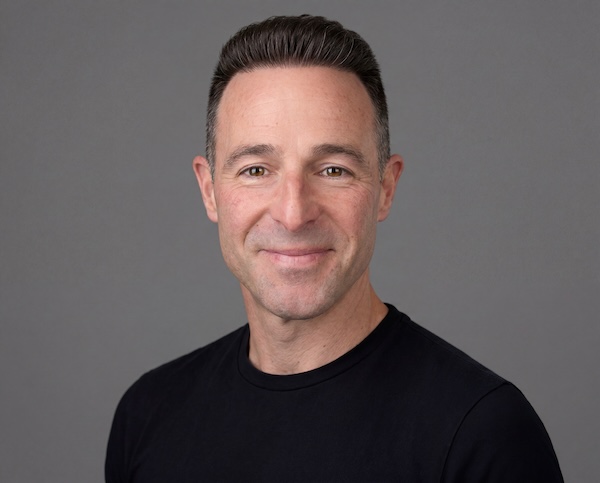
Author: Mark Ainely | Partner GC Realty & Development & Co-Host Straight Up Chicago Investor Podcast
Real estate isn’t always spreadsheets, clean comps, and smooth closings. Sometimes it’s buying land for $800 because you just need to own “something.” Sometimes it’s driving to another state because you didn’t think about the time zone change and the recorder’s office closes in one minute. Sometimes it’s paying $30,000 for a boiler… to heat one unit… for one non-paying tenant… because the city is about to drop a receiver on your building.
That’s this episode.
Igor Mike Kajpust has been doing off-market deals since he was a teenager. He’s wholesaled, flipped, bought distressed rentals the hard way, self-managed when he shouldn’t have, and learned what it really costs when you scale fast without respecting cash conversion cycles. This conversation is funny, honest, and packed with lessons that only show up after you’ve gotten your teeth kicked in a few times.
If you’re a Chicago investor, landlord, or property manager who wants the real-life version of off-market deals, auctions, and the operational reality behind “cheap buildings,” you’ll get a lot out of this one.
Questions We Answer in This Episode
Q: What’s the housing provider tip of the week?
A: Assume plumbing and operational costs are going to be higher when you’re buying older Chicago property stock, especially if you’re dealing with lead pipes or buildings built before 1978. If the property still has lead pipes and hasn’t been upgraded to copper, bake larger plumbing costs and future CapEx into your numbers from day one.
Q: How did Igor get started in real estate if he didn’t have money or a network?
A: He started with hustle. Flipping cars on Craigslist and Facebook, stacking cash while living cheap, and obsessively consuming real estate content. That led him into wholesaling and then into taking action, making mistakes, and learning fast.
Q: Did he go to college?
A: He enrolled, went to the first day, saw the cost of textbooks and the time commitment, and realized he didn’t even know what major he wanted. He never went back after day one.
Q: What were his first two “real estate” purchases and why were they so memorable?
A: The first was an $800 piece of land in Colorado he still owns and pays about $5 a year in property taxes on. The second was a single-family house in Indianapolis he won for about $7,500 on a no-reserve auction, only to discover it was essentially a disaster once he saw it in person.
Q: What went wrong with that Indianapolis deal?
A: The photos made it look manageable. The reality was multiple feet of water in the basement, ceilings caved in, and a full gut rehab. On top of that, there were legal and lien complications that killed a big resale opportunity. He ultimately got out for a small profit, but not the one he thought he had.
Q: How did he build deal flow when nothing was working at first?
A: He tried everything: handwritten letters, door knocking tax delinquents, mailers, PPC, and then eventually pivoted his PPC strategy to Illinois, Indiana, and Wisconsin. Once he started getting low cost leads, he built a pipeline by contracting deals over the phone and sending people out for photos or buyer walkthroughs.
Q: How did he learn to comp properties and estimate deals without overcomplicating it?
A: He spent years looking at deals daily, learned through courses, YouTube, and repetition, and used basic sold comps through platforms like Redfin. The bigger point: consume content, but actually take action and adjust when you’re wrong.
Q: What changed everything for scaling his business?
A: Cold calling. Using a dialer like Mojo, doing massive daily volume, tracking results, and treating it like a real system. The consistency created predictable lead flow in a way PPC wasn’t delivering at the time.
Q: What did “working” look like in cold calling numbers?
A: Roughly 1,000 calls a day, around 100 to 150 conversations, and about three qualified leads per day being tracked manually. After a couple of weeks, contracts started stacking and it proved more reliable than his PPC campaigns.
Q: How did he go from wholesaling to flipping and making bigger spreads?
A: Colorado pricing created bigger margins. He landed a $45,000 assignment fee on one deal and realized flipping could have generated even more. He networked hard at meetups, found private lending relationships, and quickly ramped up into multiple flips across multiple states.
Q: What’s the biggest mistake people make when they try to scale flips?
A: They ignore cash conversion cycles and underestimate carrying costs. It looks like infinite profit on projections until interest, payroll, multiple rehabs, and slower sales timing stack up. When you’re carrying 10 plus projects across multiple markets, the math can turn on you fast.
Q: What was the “big swing” rental strategy that turned into brain damage?
A: Buying roughly 100 units of distressed buildings across the South Side during COVID. The logic was attractive basis pricing during a chaotic period. The reality was that distressed landlords exist for a reason, and buying their problems can turn you into the distressed landlord next.
Q: What’s a real example of a horror story from that rental portfolio?
A: A boiler failed in winter in a mostly vacant 12-unit building, with one tenant who wouldn’t leave and wasn’t paying. The city got involved, and he ended up paying about $30,000 for a new boiler to avoid receivership, plus the ongoing costs of heating the building.
Q: What did he learn about self-managing distressed multifamily in Chicago?
A: It was one of the biggest decisions that hurt the portfolio. Managing one building is one thing. Managing multiple distressed buildings with low trust tenants, heavy violations, and big rehab needs is a completely different job. A hire with “experience” doesn’t automatically fix a broken system.
Q: Why did he ultimately decide to sell off those buildings?
A: Because the operational reality required extreme budget precision and constant attention to every expense line item. He realized his personality and business strengths were better aligned with deal flow and flipping, not grinding through razor-thin expense management on distressed rentals. Seeing even major operators struggle with high-profile Chicago properties reinforced that decision.
Q: What does he do now as the “next chapter”?
A: He still flips, but leaner. He also focuses heavily on private lending: construction loans, low LTV loans to operators, and building a debt-fund model (including a 506(c) structure) to deploy capital through relationships, referrals, and repeatable deal channels.
Q: How do Chicago auctions work and what should a newer investor know?
A: Know the two main auction sites in Chicagoland, do due diligence ahead of time, understand what liens stay (like property taxes), and show up prepared with the required deposit structure. He also warns newer investors that auctions can hurt you if you don’t know what you’re doing and if you assume “starting bid” equals “final price.”
Q: What’s his competitive advantage?
A: He takes action fast, learns by doing, and adjusts in real time. Jump first, build on the way down. It’s not for everyone, but it’s how he stacked reps and got close to 500 deals by age 29.
Q: What’s his advice for someone trying to buy their first property in Chicago?
A: Don’t overcomplicate off-market as your starting point. Connect with strong realtors, wholesalers, and service providers, review a high volume of opportunities, and put in offers until you land something that fits your buy box.
Q: What book does he recommend for people interested in flipping?
A: J Scott’s guide to flipping houses. He also mentions Millionaire Real Estate Investor as a solid step-by-step resource.
Q: What’s a valuable data resource he recommends for Chicago investors?
A: Illinois Foreclosure Service (ILS.com) as a strong source for foreclosure filings and probate data.
Show Notes
00:00 Quick intro, reviews push, and why this episode is pure entertainment
01:19 Housing provider tip: lead pipes, older buildings, and budgeting plumbing CapEx
04:33 The first “real” steps: income, hustle, and getting that first deal moving
06:43 The $800 land buy and why he still owns it today
08:40 The Indianapolis no-reserve auction house and “due diligence” by photos
13:40 The deal that looked like a home run until liens and reality showed up
17:39 The PPC pivot to Illinois, Indiana, Wisconsin and building a pipeline remotely
25:30 Cold calling and Mojo: why volume created consistency
27:40 The $45K assignment fee and the jump from wholesaling to flipping
31:07 Scaling flips, carrying costs, and the cash conversion cycle reality check
39:00 The big swing: buying distressed Chicago rentals at scale during COVID
42:18 The $30K boiler story and why “one tenant” can still bankrupt your time
47:18 The Parkway Gardens comparison and deciding to exit the distressed portfolio
49:05 Private lending, construction draws, and building a debt-fund strategy
63:33 Chicago fact: Pedway question and the correct answer
Takeaways for Chicago Property Managers and Landlords
If you’re buying older Chicago stock, assume higher plumbing and long-term operational costs, especially with lead pipe risk.
Off-market is not “easy money.” It’s reps, volume, systems, and taking shots that don’t always land.
Scaling flips is not just deal profit. Carrying costs, payroll, timing, and cash conversion cycles can crush you if you ignore them.
Distressed rentals can be cheap for a reason. Buying distressed problems at scale can turn you into the distressed owner.
Self-managing one building is not the same as self-managing multiple distressed buildings across multiple neighborhoods.
Auctions can be a source of inventory, but the due diligence and lien awareness matters more than the “starting bid” number.
Sometimes the best move is knowing what game you’re actually built to play: operations-heavy rental stabilization vs deal flow and capital deployment.
Guest info
Guest Name: Igor Mike Kajpust
Guest Company: Evolved Property Group
Guest Link: https://www.linkedin.com/in/igor-mike-kajpust-785231108
Because finding good tenants and property management shouldn’t feel like online dating.
Dear Investor,
If you are an investor in either the city or suburbs of Chicago, I would love to speak with you about how we can help you on your real estate journey. At GC Realty & Development LLC, we help hundreds of Chicagoland real estate owners and brokers each year manage their assets with both full service property management and tenant placement services.
We understand that every investor’s goals are unique, and we love learning about each client’s individual needs. If there is an opportunity to help you buy back your time by managing your rental property or finding quality tenants, please check us out.
Best Investing,
Founder, Partner, Podcast Co-Host, and Investor