
 Vendor Portal
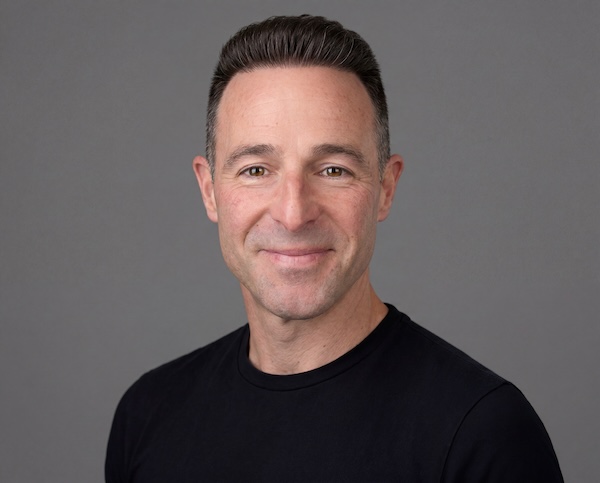
Author: Mark Ainely | Partner GC Realty & Development & Co-Host Straight Up Chicago Investor Podcast
There’s a version of Chicago real estate that happens online — hot takes, Facebook comments, and people yelling “NIMBY!” from behind a keyboard. And then there’s the version that happens in the real world — ward offices, community meetings, zoning maps, permit delays, and a whole lot of decisions that someone eventually has to make.
Alderman Gilbert Villegas lives in that second world.
In this episode, we sat down with Alderman Villegas inside his office and talked through what’s actually shaping the future of Chicago’s housing supply — from development negotiations and community pushback, to permit reform, budget realities, and why “well-intended” ordinances can still blow up transactions if the city isn’t operationally prepared.
If you’re a Chicago landlord, investor, or property manager trying to understand where the city is headed in 2026 and beyond, this one is worth your time.
In this episode of the Straight Up Chicago Investor Podcast, we cover what it looks like when an alderman has to balance residents who “don’t want anything built,” the city’s need for more housing units, the math behind property tax revenue, and the reality that Chicago can’t keep acting like permits should disappear into a black hole.
We also dig into the Northwest Side housing ordinance conversation — what happened, why lenders got nervous, and why Villegas pulled part of his ward out after hearing real-world deal pain from attorneys and title companies.
And because this is Chicago, we managed to talk about Brickyard memories, old 1951 building ledgers, and missing Sopranos because of a Sunday night plumbing call — which, honestly, is the most relatable landlord story ever told.
Questions We Answer in This Episode
Q: What’s the housing provider tip of the week for lease renewals in Chicago and Cook County?
A: Pay attention to notice timelines. If your resident has been in place for more than three years, you may need to provide 120 days’ notice for rent increases or non-renewals. If they’ve been there less than three years, it’s typically 60 days. Also remember notices are rounded to the end of the month — meaning giving notice a few days late can add nearly an extra month you didn’t plan for.
Q: Why does Alderman Villegas approach development differently than a simple “yes or no”?
A: He’s been on the ownership side. He’s looked at utilities, taxes, expenses, and the reality that buildings need revenue to work. His approach is to hear community feedback, be pragmatic about what can be built, and land on something that’s workable — without pretending everyone will be happy.
Q: What should developers do if they want to build in the 36th Ward?
A: Show up ready to negotiate. Ask for the moon if you want — but expect to land somewhere that can survive community feedback and fits the character of the block. Have your numbers ready at multiple densities (ex: five stories vs four), because pushback is normal and you’ll likely need to adjust.
Q: Why does Chicago still feel so slow and unpredictable for permits?
A: Because the process lacks transparency and accountability. Villegas’s point is simple: if you can track a cheeseburger on DoorDash, you should be able to track a building permit through city hall. He advocates for modernization that creates predictability, assigns accountable contacts, and uses tech (including AI-driven document checks) to reduce “missing paperwork” delays.
Q: What happened with Chicago’s budget process — and why did it become historic?
A: The conversation outlines how budgets have historically been presented and how city council ended up passing a budget over the mayor’s objection. The bigger theme: budgets aren’t just “moral documents” — they’re also math problems, and the city needs real checks and balances plus time and bandwidth to analyze spending.
Q: Why did Villegas support the Northwest Side housing ordinance at first — and then pull out?
A: He initially agreed for a small portion of the ward, but said from the start he’d leave if it wasn’t working. Once attorneys reported closings getting delayed, title companies unsure how to insure, and lenders raising concerns, he pulled out and pushed for a working group that includes all stakeholders — not just one interest group.
Q: What’s the story behind the Chicago Ave development at 2652 W Chicago?
A: A developer bought a former auto parts store location and came in wanting a larger build. After multiple community meetings and revisions, they landed on a plan for a mixed project with units, parking, a storefront, and an affordable component — on one of the city’s busiest bus corridors where more density supports businesses and adds tax revenue.
Q: How does he handle residents who say “don’t build anything”?
A: He listens, shares information, and then makes a decision. He’s direct about the reality that the city needs units and needs revenue — and that a vacant lot on a prime corridor isn’t a real strategy. He also frames new apartments as a path for future buyers: people rent, build stability, then eventually buy in the neighborhood.
Q: What’s Villegas bullish on for Chicago’s future?
A: Chicago’s fundamentals: transportation, freight, airports, water, emerging tech sectors, major campuses and investment, and the city’s ability to attract young talent if it can keep improving safety, schools, and business-friendly predictability.
Q: What advice would he give someone buying their first property?
A: Don’t pretend it’s a 9-to-5. If you want the upside of ownership, you need patience, long-term thinking, and the understanding that you’ll get calls at the worst times — like Sunday night, right when the Sopranos starts, when someone’s kid clogs a drain with hair and you’re paying a plumber at double time.
Show Notes
00:00 Recorded at an alderman’s office (and why the intro had to happen “underground”)
01:30 How to use Chicago’s interactive zoning map — and the oddly fascinating 1951 building ledgers
03:03 Housing provider tip: renewal notice rules, 60 vs 120 days, and “rounded to the end of the month” consequences
04:46 Alderman Gilbert Villegas joins — and yes, that throw was a strike
06:21 Why he sees development through a landlord lens (because he actually owned property)
09:08 NIMBY dynamics, misinformation, and why you’ll never please everyone
11:14 What he wants from developers: ask big, but be ready to negotiate with the community
13:24 The permit system: “I can track my cheeseburger, but not my permit”
14:42 Tech modernization: RFI/RFP process, pilot projects, and accountability in city services
18:31 Budget season behind the curtain: long nights, coalition building, and avoiding more downgrades
25:12 What city council is trying to solve: pensions, efficiencies, revenue, and better process
35:12 Northwest Side housing ordinance: why he joined, why he left, and what broke in real transactions
39:06 2652 W Chicago development: community meetings, unit counts, parking, storefronts, and affordability
46:38 What’s coming in 2026: safety upgrades, major developments, Ukrainian Village identity work, Grand Ave planning
50:00 Why he’s bullish on Chicago’s next 3–5 years
53:20 Rapid fire: competitive advantage, first property advice, fun, and recommended reading
58:39 How to follow and contact Alderman Villegas
59:26 Chicago trivia: when the Brickyard opened (and yes, he nailed it)
Takeaways for Chicago Property Managers and Landlords
- Development decisions aren’t made in comment sections — they’re made in meetings, with tradeoffs, and with someone ultimately owning the decision.
- If you’re building or upzoning, come with multiple versions that pencil out, because community pushback is predictable and you’ll likely need to adjust height, density, or parking.
- Chicago’s permitting process doesn’t just frustrate developers — it delays tax revenue and housing delivery. Any improvement that adds transparency and predictability helps everyone.
- “Well-intended” housing policies can still cause real harm if title companies, lenders, and city departments aren’t operationally ready to execute.
- Corridor density is not just a housing conversation — it’s a business corridor survival strategy. More residents nearby is real foot traffic for storefronts.
- Landlording is still not a 9-to-5 — even elected officials who’ve owned property have the same scars you do.
Guest Name: Alderman Gilbert Villegas
Guest Company: 36th Ward, City of Chicago
Guest Link: 36ward.org
Because finding good tenants and property management shouldn’t feel like online dating.
Dear Investor,
If you are an investor in either the city or suburbs of Chicago, I would love to speak with you about how we can help you on your real estate journey. At GC Realty & Development LLC, we help hundreds of Chicagoland real estate owners and brokers each year manage their assets with both full service property management and tenant placement services.
We understand that every investor’s goals are unique, and we love learning about each client’s individual needs. If there is an opportunity to help you buy back your time by managing your rental property or finding quality tenants, please check us out.
Best Investing,
Founder, Partner, Podcast Co-Host, and Investor