
 Vendor Portal
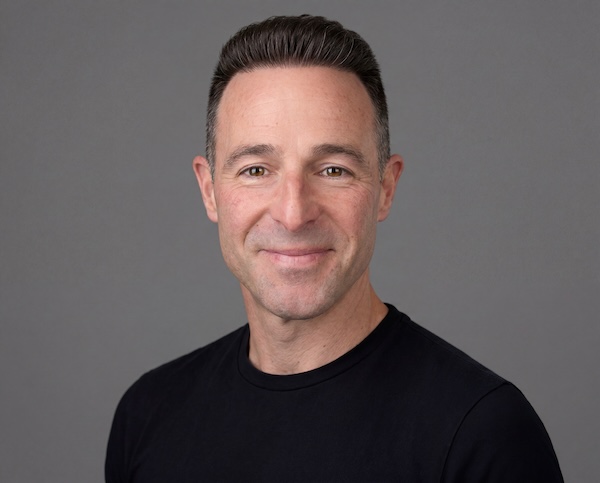
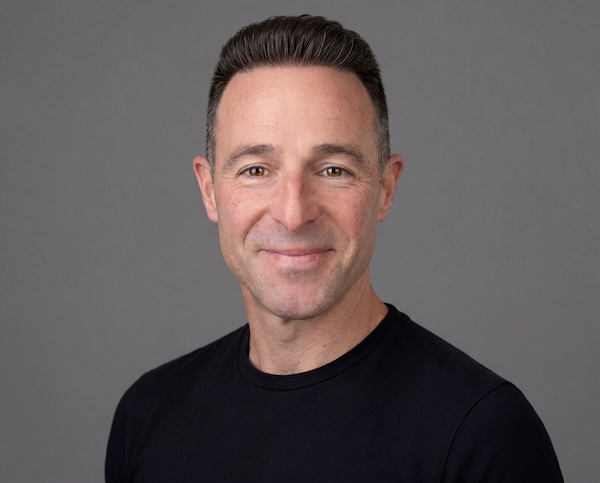
Author: Mark Ainely | Partner GC Realty & Development & Co-Host Straight Up Chicago Investor Podcast
Chicago investors love the idea of adding units. On paper, it sounds simple. Find a basement, build a coach house, legalize an apartment, and create more income. In reality, it is rarely that clean. In this episode, we sat down with Samuel Pavlovcik to break down what it actually takes to legalize apartments, use Chicago’s ADU rules the right way, and avoid getting blindsided by costs, timelines, and city requirements. We got into the real differences between a zoning map amendment and the ADU path, what changes with the citywide ADU expansion, and where the best opportunities may actually be for investors who know how to work within the rules.
Episode Summary
This episode was a very practical look at something a lot of Chicago investors talk about, but far fewer actually execute well: adding units legally.
Samuel walked through the painful reality of traditional upzoning in Chicago. If you are outside of an ADU zone and want to add a legal unit, you are often looking at an expensive, uncertain, months-long process that starts with aldermanic support and can still fail even after significant investment in plans, attorneys, and holding costs. That alone explains why so many investors get stuck.
We also talked about what the ADU program actually solves and what it does not. The biggest advantage is that the ADU path can eliminate the zoning map amendment process in the right circumstances. That is a huge win. But it does not eliminate the Department of Buildings review, and that is where many investors underestimate the real cost of legalizing a basement or garden apartment.
The conversation also dug into the new citywide ADU expansion and what is changing as of April 1. While many investors hear “citywide” and assume the floodgates are open, the truth is more nuanced. In residential RS districts, aldermanic involvement still matters. In RT, RM, and many business and commercial districts, the opportunities look stronger and more predictable.
One of the most interesting takeaways was around mixed-use properties. The new rules may create more flexibility for investors with B and C zoning, especially those who want to keep a small commercial presence while converting more of the building to residential use. That could open doors for investors who previously avoided these properties.
This was one of those episodes that cuts through the surface-level conversation and gets into what really matters: timeline, code compliance, design constraints, permits, and risk management.
Why This Episode Matters for Chicago Investors
If you are buying based on future upside, this episode is important.
Too many investors look at a building and assume they can add a legal unit later. Then they realize the ceiling height is short, the light and ventilation do not work, the water service is undersized, the electrical setup is wrong, or the city’s records do not even recognize the number of units they thought they bought.
The lesson here is simple. Extra units can absolutely create value in Chicago, but only if you understand the rules before you close and before you build your pro forma around the upside.
Samuel made it clear that the biggest mistakes usually happen when investors treat ADUs like a shortcut. They are not a shortcut. They are a tool. In the right deal, they can be powerful. In the wrong deal, they can become a very expensive lesson.
Main Topics We Covered
1. What a zoning map amendment really takes
Samuel explained that if your current zoning does not allow the additional unit you want, your path is often a zoning map amendment or upzone. That means dealing with aldermanic approval first, then community groups, zoning attorneys, formal submissions, and city council timelines. Even with support, there is no guarantee.
Mark used a real project example to show how long this can take. A building purchased in November could still be waiting until April just to get the zoning change into effect, and then still need another 45 to 60 days before permits are ready. That means months of holding costs before real construction can fully begin.
2. Why ADUs help, but do not solve everything
The ADU program removes a major zoning hurdle in certain situations, which is the biggest reason it matters. Investors can skip much of the political process tied to upzoning when they qualify under the ADU rules.
But the permit process is still there, and the Department of Buildings is still going to require code compliance. That means legalizing an existing basement apartment can still trigger major work and major costs.
3. The real gotchas that make basement legalizations expensive
This part of the episode was especially valuable because it focused on the hidden costs people miss. Some of the biggest issues include:
- Opening walls so the city can verify what was done and whether it meets current code
- Electrical upgrades, including electric prep requirements
- Separate panels and meter requirements for each legal unit plus common areas
- Ceiling height minimums
- Light and ventilation standards
- Property line setbacks affecting whether windows count
- Water service sizing based on fixture count
A basement that “looks legal” may still be nowhere near legal in the eyes of the city.
4. Why ceiling height and window placement can kill a deal
Samuel made it clear that if the main finished ceiling height is under seven feet, the investor is in trouble. That can mean gutting the unit, digging down, and reworking the entire space.
The light and ventilation issue is another huge one. In separate units, windows are measured from the property line, not just from open space. If the wall is too close to the lot line, those windows may not count, which means rooms may not qualify as habitable.
5. Water service can become a major expense
This is one of those items that surprises investors because it is underground, out of sight, and often overlooked until the city forces the issue.
If the building does not have the right size water service coming from the street, that can trigger a full replacement. In some cases, that means permits, street work, paving, and significant added cost. This is one more reason why the ADU path only makes sense when you have a full picture of the building.
6. Why Chicago’s ADU numbers are still very low
Mark compared Chicago’s results to Los Angeles, which has seen major ADU adoption since launching its program. Chicago’s numbers were dramatically lower, which shows how limited the current impact has been.
That is frustrating, but it also points to opportunity. When something is difficult, fewer investors pursue it. For the investors who understand the process and build the right team, that difficulty can become an edge.
7. What changes with the new citywide ADU expansion
One of the biggest upcoming changes is that business and commercial districts like B1, B2, B3, C1, and C2 are now more meaningfully part of the conversation.
That matters because it may allow more flexibility with conversion units and coach houses in properties that investors previously ignored or struggled to reposition. Mixed-use buildings may become much more attractive under the updated framework.
8. Why mixed-use properties may become more interesting
A particularly strong takeaway was how mixed-use properties with commercial frontage may now offer better residential conversion options while preserving a portion of the commercial space.
For investors who want to reduce exposure to weak retail demand while still complying with the code, this could create a much more appealing play.
9. Why you need a Plan B
Mark and Samuel both emphasized that investors should not rely entirely on getting the extra unit. The base deal still needs to work.
If the project only makes sense with the ADU or zoning win, the investor is taking too much risk. The better approach is to treat the additional unit as upside, not as the only way to justify the purchase.
Q&A Breakdown
Q: What does an ADU actually accomplish for a Chicago investor?
A: It can eliminate the need for a full zoning map amendment in the right zones and allow an investor to move directly into the permit phase. That can save months of time and a lot of political uncertainty. But it still requires full code compliance through the Department of Buildings.
Q: What is the first hurdle if I need to upzone a property?
A: The alderman. Without aldermanic approval, the deal is basically dead. Even with support, there is still risk. Community groups and committees may also get involved.
Q: What are some of the biggest reasons a basement legalization becomes expensive?
A: Opening walls, redoing non-compliant work, ceiling height issues, electrical requirements, light and ventilation standards, water service upgrades, and separate utility requirements are all major factors.
Q: If I already have a finished garden unit, does that mean I can legalize it easily?
A: No. A finished unit may still need major reconstruction to meet current standards. The city wants proof of compliance, not just a nicely finished space.
Q: What is one of the best ways to confirm how many legal units a building has?
A: Samuel pointed to the certificate of zoning compliance as a key document. Even that is not always perfect, but it is one of the main places investors should start.
Q: What changes are coming with the April 1 expansion?
A: The expansion brings more opportunity in business and commercial zoning districts and expands possibilities beyond the original pilot areas. But for RS districts, aldermanic restrictions can still shape what is allowed.
Q: Are coach houses becoming more attractive?
A: They may become more feasible in some locations because of added flexibility, including parking relief and broader district eligibility. But they are still expensive, and in many cases basement conversions remain the more practical option.
Q: What is the smartest way to approach an ADU deal?
A: Start early, build the right team, understand the zoning and code issues before you commit, and have a backup plan if the extra unit does not happen.
Best Takeaways for Investors
- Do not assume an extra unit is easy just because a listing mentions ADU potential.
- If you are in an RS district, call the alderman’s office and understand the local stance.
- If you are in RT, RM, or certain B and C districts, you may have stronger opportunities.
- Basement conversions often look like the easiest ADU play, but they still come with real code challenges.
- Mixed-use buildings may become much more attractive under the updated rules.
- The best time to start planning is before the rules officially take effect, especially if you want to get ahead in the permit line.
- Never buy a deal that only works if the city says yes.
Timestamped Show Notes
05:54 What an upzone actually requires in Chicago
06:48 Real example of how long a zoning map amendment can take
11:22 What the ADU program eliminates and what it does not
12:41 Major code-related surprises investors face when trying to legalize units
13:29 Electrical requirements, service upgrades, and separate meter issues
14:53 How to check the legal number of units in a building
16:24 Why ceiling height can kill a basement legalization
16:57 Light, ventilation, and property line issues that stop permits
18:31 Water service size and why it can become a major project cost
23:02 What the citywide ADU expansion actually changes
23:47 How much power aldermen still have in RS districts
25:25 Parking relief and coach house flexibility after April 1
35:30 New opportunities in B1, B2, B3, C1, and C2 zoning districts
40:08 Why mixed-use properties may offer stronger upside now
45:01 Why every investor needs a Plan B
Final Thoughts
This episode was a reminder that the best Chicago investors are not just deal finders. They are problem solvers.
There is a real opportunity in legalizing apartments, adding units, and using the ADU framework. But the opportunity is not in blindly chasing the extra door. The opportunity is in understanding the rules better than the next investor, underwriting the real timeline and cost, and building a team that knows how to navigate the city.
That is the new ADU playbook.
It is not about shortcuts. It is about precision.
Guest Info
Samuel Pavlovcik
Company: Pavlovcik Architecture
Website: pav-ark.com
Because finding good tenants and property management shouldn’t feel like online dating.
Dear Investor,
If you are an investor in either the city or suburbs of Chicago, I would love to speak with you about how we can help you on your real estate journey. At GC Realty & Development LLC, we help hundreds of Chicagoland real estate owners and brokers each year manage their assets with both full service property management and tenant placement services.
We understand that every investor’s goals are unique, and we love learning about each client’s individual needs. If there is an opportunity to help you buy back your time by managing your rental property or finding quality tenants, please check us out.
Best Investing,

Founder, Partner, Podcast Co-Host, and Investor