

 Vendor Portal


Author: Mark Ainely | Partner GC Realty & Development & Co-Host Straight Up Chicago Investor Podcast
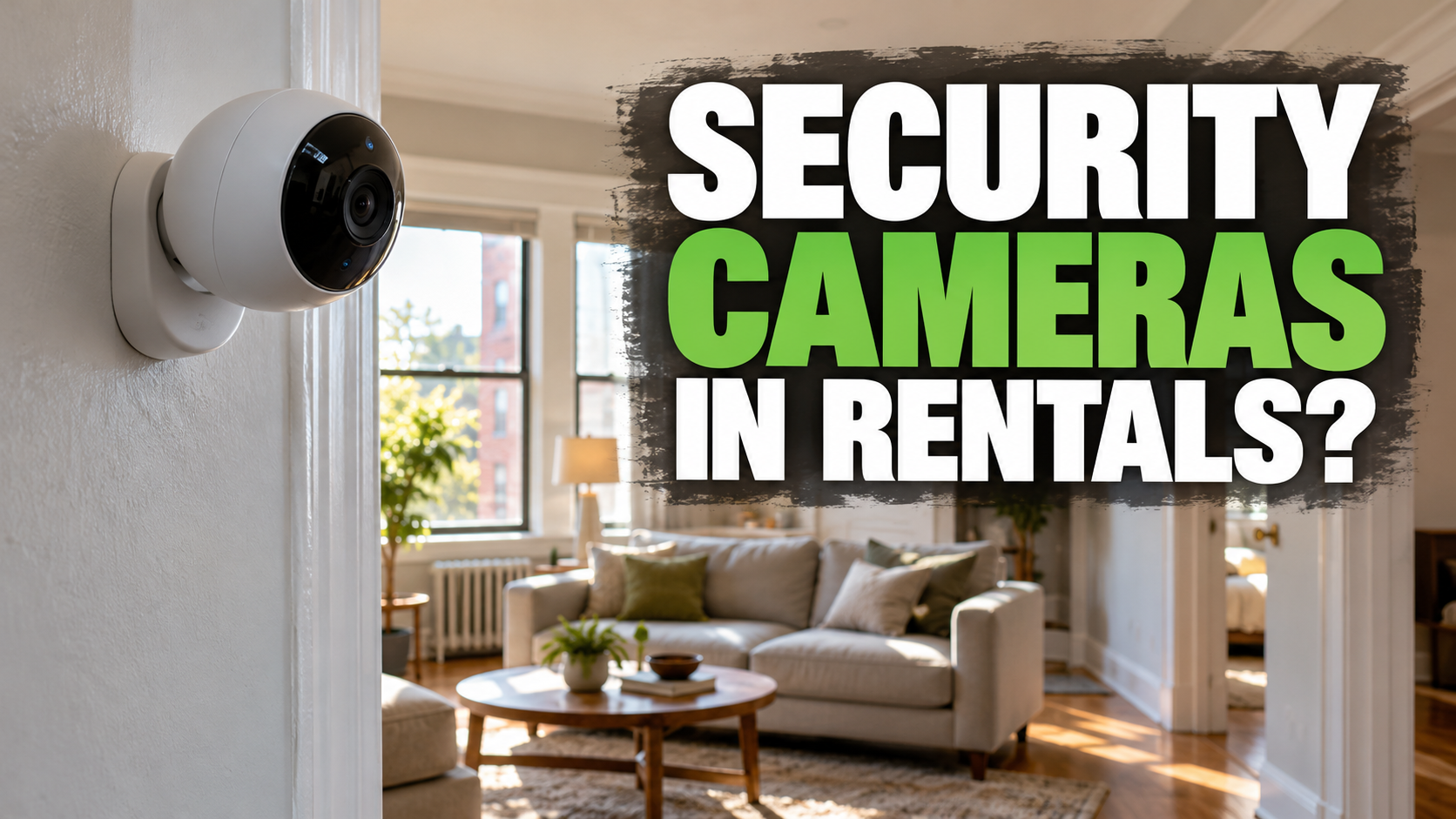
Often as we are bringing on new clients to manage we run into questions around existing camera or security systems that are in place.. Sometimes it is a video doorbell. Sometimes it is a full system they set up while they lived in the house so they could check on the dog from work.
They figure leaving it in place is a bonus for the next tenant, or a way to keep an eye on the investment. It is neither. At GC Realty we manage over 1,500 units across Chicagoland, and our rule is the same on every property. Every camera, inside and outside, comes out before a tenant moves in. Below is why, and what Illinois law actually says about recording in a rental.
Key Takeaways
- Illinois makes it a felony to record video of a tenant inside their home without consent, and the law treats a rental unit as the tenant's home.
- Most cameras record sound, and secretly recording a private conversation without everyone's consent is a separate felony under the Illinois Eavesdropping Act.
- Even a disconnected camera costs you, because tenants cannot verify it is off and will not rent or stay where they feel watched.
- Apartment common areas like lobbies and hallways can have video cameras, as long as audio is off and lenses stay pointed away from unit doors.
- GC Realty requires owners to remove all cameras, with one exception during vacancy that ends before move in day.
Why We Make Owners Take the Cameras Down
Owners usually installed their cameras for good reasons. They lived there, they traveled, they wanted to see the dog or the front porch to ensure no one is stealing their amazon packages. But that system was built for the owner's life, and it still points at the rooms where a tenant will sleep, get dressed and take phone calls.
Leaving them in the unit comes with a heavy legal risk, and we cover it below. The bigger day to day problem is trust. An incoming tenant who spots a camera in the living room on move in day starts asking questions nobody can answer to their satisfaction. Is it on? Who has the login?
We have all looked at a camera straight in the lense and wondered, Is there someone on the other end?
Telling them it is disconnected does not help, because they have no way to check it. So a camera that does nothing still leaves a weary tenant. It slows leasing, it pushes good applicants to the next listing, and the tenants who do sign tend to leave sooner.
What Illinois Law Says About Video Inside a Rental
Illinois's unauthorized video recording law makes it illegal to knowingly record or live stream video of another person in that person's residence without their consent. The statute spells out that a residence includes a rental dwelling. Once the lease starts, the inside of that unit is legally the tenant's home, not the owner's.
The penalties are serious. Recording without consent is a Class 4 felony. Simply placing a device with the intent to record someone in their residence is a Class A misdemeanor, even if nothing ever gets captured. Sharing footage that was recorded illegally is a Class 3 felony.
Consent is the only way around it, and no tenant is going to happily sign off on a camera in their living room.
Audio Is the Bigger Trap
Most consumer cameras, including video doorbells, record sound out of the box. That brings in the Illinois Eavesdropping Act, one of the strictest recording laws in the country.
Under the Act, secretly recording a private conversation without the consent of every party is a crime. A first offense is a Class 4 felony, and the person recorded can also sue for actual and punitive damages. A tenant on a phone call on their own porch, or two roommates talking in the kitchen, is exactly the kind of conversation the law protects.
That is why even an exterior camera an owner considers harmless becomes a problem if the microphone is on.
Cameras in Apartment Building Common Areas
Multifamily is the one place cameras can make sense after move in. The video statute excludes stairwells, corridors, laundry facilities and other areas the public can access from its definition of a residence. Lobbies, entrances, hallways, parking areas and laundry rooms are fair game for video.
We manage a limited number of buildings with camera systems, and every one of them follows the same rules.
- Audio off. Every camera, every time.
- Aim with care. Point lenses at entrances, walkways and parking, never into a unit when the door opens.
- Nothing hidden. Cameras should be visible and obvious.
- No facial recognition. Illinois's Biometric Information Privacy Act carries damages of $1,000 to $5,000 per violation, and many newer systems include face matching features.
The One Exception During Vacancy
There is one window where we let an owner's cameras stay. When we onboard a vacant property, and during turnover and lease up, an empty house is a target for break ins, squatters and stolen copper. Keeping cameras running during that stretch is a reasonable security measure, because nobody lives there yet.
The cameras come down before move in day. Before the tenant gets the keys, the devices are removed and the owner's app access is shut off.
FAQ
- Can a landlord put cameras inside a rental in Illinois? Not without the tenant's consent. Recording video inside a tenant's home without consent is a Class 4 felony, and a rental unit counts as the tenant's home.
- Can I keep a video doorbell on my single family rental? Not under our management. A doorbell captures the tenant's guests, deliveries and front door conversations, and most record audio. We have the owner remove it before move in, and the tenant is free to install their own.
- Is an unplugged or disconnected camera a problem? Yes. The tenant cannot verify it is off, and placing a device with the intent to record is its own offense. Take it down.
- Can I record video in my apartment building's hallways? Yes. Hallways, lobbies, stairwells and laundry rooms are not part of the tenant's residence under the statute. Keep audio off and aim cameras away from unit doors.
- Do I have to tell tenants about common area cameras? Illinois does not require it, but we always post signs and disclose cameras in the lease.
Don't Go At This Alone!
This is a lot of information you need to know if you plan to invest here in the Chicago market and it may seem overwhelming, but real estate investing in Chicago is a team sport. Who is on your real estate investing team? Do you have a team? GC Realty & Development has a team of resources and we are willing to share all of our 20+ years of experience in both real estate investing and property management in the Chicago market. We will do this whether you hire us or not.
What gets me up in the morning and keeps me going 12+ hours a day of work is the ability to add value to Chicago real estate investors. If we connect, you will hear me say our goal is to add value to everyone we come in contact with, and in return we hope one day you will hire us for our Tenant Placement or Property Management Services. You can also refer us to someone you know who needs those services, or I will take a simple 5 Star Google review.
I like to say we have made 1,000 times $1,000 mistakes over the years, so with those lessons learned we are ready to help our clients avoid those same bumps in the road. We do not expect you to hire us off of one blog post, but we would really like the chance to jump on a call and see how we can provide value to you as a Chicagoland investor.