
 Vendor Portal
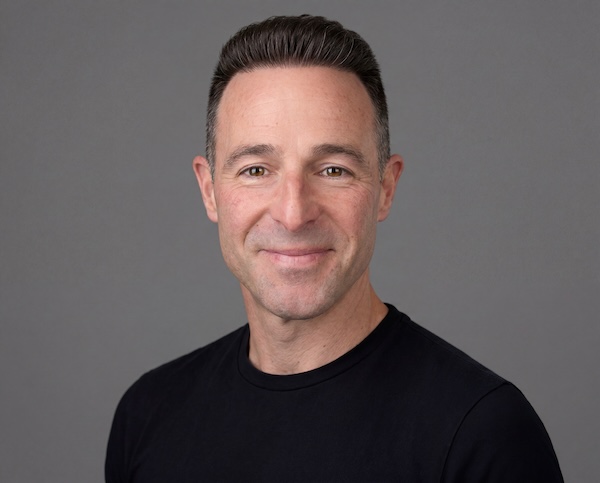
Author: Mark Ainely | Partner GC Realty & Development & Co-Host Straight Up Chicago Investor Podcast
This episode is different.
We recorded it live at a Renovo event, pulled a bunch of heavy hitters off to the side, and grabbed 10 minutes from each person while the room was packed with movers and shakers actually doing deals in Chicago.
We talk brokerage changes, the Zillow fight, how real investors are thinking about Chicago right now, what Renovo looks like behind the curtain, and what it takes to scale whether you’re buying your first two-flat or doing luxury new construction near Wrigley.
It’s a hodgepodge in the best way. Real conversations. Real people. Real market thoughts. And a reminder that your network really is your net worth.
Questions We Answer in This Episode
Q: What made this Renovo live event different from a normal podcast episode?
A: We had a separate room and pulled guests aside throughout the night. Instead of one long interview, we grabbed multiple short interviews with people across lending, brokerage, and development.
Q: Where does Mark Fost invest and how did he build his portfolio?
A: Mark focuses in the northwest suburbs, primarily the Elgin area and nearby towns. He started in 2016, has done around 65–70 deals total, and still owns 45 properties. He built it while working his W2 career, then retired with both a pension and his portfolio.
Q: Why does Mark Fost credit Renovo for a big part of his success?
A: He says Renovo allowed him to make aggressive offers, close fast (as little as 10 days), and confidently put down large earnest money deposits because he trusted their ability to execute. He mentioned doing a $20,000 non-refundable deposit with a 10-day close and not sweating it.
Q: Why did Mark Fost stop buying more properties?
A: He hit and surpassed his original income goal before retirement. He describes himself as a simple guy, living in the same townhouse, mostly living on his pension, and asking “to what end” he keeps buying and renovating. He’s exploring what’s next.
Q: What does Renovo leadership think matters most inside their business?
A: Kevin Werner ranks it clearly: people first (recruiting), then capital, then technology, and brand is the outcome of doing those three well. He also says tech is critical because the operation is running massive draw volume every day.
Q: What markets surprised Renovo the most outside Chicago?
A: Kevin calls out Rhode Island as a surprising market, plus Florida and Texas for overall momentum and deal flow.
Q: What does Renovo look like five years from now?
A: Kevin’s answer is that hopefully not much changes in the fundamentals. Whether they do 10 loans a month or 1,000 loans a month, the focus stays on doing a great job for one client at a time. He also mentions funding larger loans now, including $10M–$30M loans regularly.
Q: How did Daniel Rosen start Renovo with Kevin and why was he all-in?
A: Daniel worked with Kevin before, lived through 2008 doing rehabs (and being bad at it), and ended up at a Starbucks at Sheffield and Armitage when Kevin told him he was starting a lending business and asked him to do it together. Daniel says he was in almost immediately.
Q: Did Daniel ever think Renovo wouldn’t work?
A: He says no. Frustrations and breakthroughs, sure, but he never had doubt and believed in Kevin as a leader.
Q: How did Renovo learn to expand nationally?
A: Daniel says they tried buying companies and partnering and it didn’t work. What worked was “brick by brick,” hiring the right local person (managing director) in each market and replicating the Chicago model. Texas was the first place they figured it out, and from there they’ve done it many times over.
Q: What product addition helped Renovo and investors the most?
A: The long-term rental loan product. They talk about the ability to lock a rental for 30 years being a huge addition, allowing Renovo to take clients full cycle: buy, rehab, and then exit into long-term debt without needing to find a new lender elsewhere.
Q: What’s Joe Smazal seeing in the Chicago apartment market in 2026?
A: Strong rental market fundamentals. He says the strength of rents is the main driver of investor confidence and that the buyer pool has expanded, including more out-of-state and different profiles of buyers getting active.
Q: Why does Joe see Chicago as more stable than other “hot” markets?
A: He points to stability, rent strength, and Chicago’s diverse economic base. Not reliant on one sector. That diversity supports long-term investment confidence.
Q: Why does Joe invest personally and how does he do it?
A: He buys at a manageable pace (about one or two buildings a year), sees it as long-term family wealth building, spreads out loan maturities as risk management, and says it objectively makes him a better broker because he’s actually living the operational side.
Q: What’s one mistake Joe made as a newer owner?
A: Waiting too long to formalize systems. He mentions getting a management portal (Buildium) in place later than he should have and how much smoother everything became once rent collection and communication were centralized instead of scattered across Venmo/Zelle/Excel.
Q: What’s the Flora Blonnik Team’s view on the brokerage shifts and the Zillow fight?
A: They describe it as brokerages realizing they “sold their listings” and now platforms are effectively selling leads back with big referral fees. They compare it to the music industry and piracy. Their position is that brokers should have flexibility on how and where listings are marketed, including private listing strategies.
Q: Do buyers still find listings without Zillow?
A: Their view is yes. In a low inventory market, buyers are searching multiple platforms and will look in other places if needed.
Q: What’s Luke Blonnik building next?
A: Logan Inn: a cafe and lounge under a 28-unit SRO building at California and Armitage (northeast corner), aiming for “hotel lobby vibes” with Logan Square energy. Coffee, pastries, sandwiches, music, and early evening energy.
Q: What does RJ de Leon say is the biggest value of events like this?
A: The connections. He says big events bring out people you don’t see at smaller meetups, and the relationships you build can last a lifetime. He also shares Chicago’s long-term strengths: freshwater, infrastructure, and transportation.
Q: What does RJ de Leon need help with?
A: A new venue for the Chicago Multifamily Meetup, held the third Tuesday of every month from 6:00 to 9:00 PM for about 40–60 people.
Q: What has Daniela Rodriguez seen inside Renovo through growth?
A: She started around 2020 when the company had roughly 30-something people and says it’s now around the 350ish range. She says the foundation and culture feel similar, but the process is more streamlined and more corporate because it has to be at that scale.
Q: What’s Daniela Rodriguez’s role in Northwest Indiana growth?
A: She’s built relationships there over time and has become a go-to person for that market. She mentions DSCR loans, rehab loans, ground-up construction, and multifamily opportunities, and notes some lenders are still wary of Gary, but there are strong operators doing great rehabs.
Q: What’s Eric Workman’s biggest takeaway from Thaad Wong’s message?
A: Thaad built a major business in Chicago, sold it for a significant number, and is reinvesting back into Chicago. Eric views that as a strong signal for Chicago’s long-term opportunity.
Q: What does Eric Workman think about the future of independent brokerages?
A: He says it’s hard to compete if you’re not part of the large umbrella that shares listings and inventory access. He also acknowledges disruption creates new waves and new entrepreneurs, but he believes the coalition approach is a big advantage right now.
Q: What does Eric Workman see as the Workman Team’s growth plan?
A: Goals include 300M in annual loans for the team, a pace toward 1,000 loans per year by 2028, and growing the team with a Chicago-focused originator and a marketing hire. He emphasizes promoting from within and keeping talent by being generous, sharing upside, and investing in people.
Q: What’s Eric Workman’s best food spot in Naperville?
A: The Lantern.
Show Notes
00:00 Intro after the event and why this episode is different
02:00 Renovo event format: pulling guests aside for short interviews
02:30 Mark Fost: 45 properties in Elgin area, retired with pension + portfolio
04:05 Mark Fost on Renovo: aggressive offers, 10-day closes, big earnest money confidence
05:39 Mark Fost’s “50th closing” moment and why he stopped buying
08:36 Kevin Werner: Renovo growth, why brokerage still matters, ranking what’s important (people, capital, tech, brand)
11:50 Kevin on expansion markets: Rhode Island, Florida, Texas
17:16 Daniel Rosen: early Renovo story, starting the business, never doubting it
21:00 Daniel on expansion: brick by brick, right people, replicating Chicago
23:00 Long-term rental loan product and why it changed everything
26:00 Joe Smazal: market fundamentals, buyer pool expanding, broker investing makes you better
35:30 Joe’s ops mistake: waiting too long to formalize systems (Buildium)
39:40 Flora Blonnik Team: brokerage changes, Zillow conflict, private listing strategy
48:20 Logan Inn: new cafe/lounge concept in Logan Square
49:30 RJ de Leon: luxury new construction and getting through hard projects
56:20 RJ de Leon needs a venue for Chicago Multifamily Meetup
58:30 Daniela Rodriguez: Renovo growth, culture, Northwest Indiana market
66:30 Eric Workman: Thaad Wong takeaway, brokerage shifts, Renovo tie-in
73:20 Eric Workman team goals and hiring plan
80:40 Naperville food: The Lantern
82:20 Outro from the live event
Other Links for Show Notes
SUCI Ep 368 - Joe Smazal and Ann Keilly
Because finding good tenants and property management shouldn’t feel like online dating.
Dear Investor,
If you are an investor in either the city or suburbs of Chicago, I would love to speak with you about how we can help you on your real estate journey. At GC Realty & Development LLC, we help hundreds of Chicagoland real estate owners and brokers each year manage their assets with both full service property management and tenant placement services.
We understand that every investor’s goals are unique, and we love learning about each client’s individual needs. If there is an opportunity to help you buy back your time by managing your rental property or finding quality tenants, please check us out.
Best Investing,

Founder, Partner, Podcast Co-Host, and Investor