
 Vendor Portal
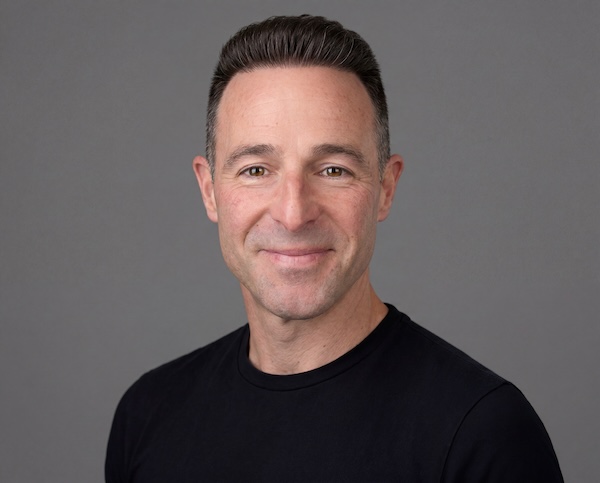
Author: Mark Ainely | Partner GC Realty & Development & Co-Host Straight Up Chicago Investor Podcast
A lot of investors think tax strategy starts in March and ends in April. This episode is a good reminder that it does not work that way. Ryan Bakke breaks down the difference between somebody who simply prepares a return and somebody who helps architect better outcomes before the year is over. That is the core of the conversation, but it also turns into something bigger than taxes.
What makes this episode valuable is that Ryan does not just talk about saving money on a return. He talks about building systems, figuring out what your real genius zone is, delegating the tasks that do not belong on your plate, using offshore team members the right way, and scaling faster by buying businesses instead of trying to grind through every stage organically. For Chicago investors, there is a lot here because better ROI is not just about finding a deal. It is also about what happens after the deal, how you structure your time, how you grow, and how you think about your next move.
There is also a very practical thread running through the whole episode. Ryan keeps coming back to the idea that most people are not clear on the game they are playing. Some properties are flips. Some are holds. Some are strong tax tools. Some are equity plays. Some businesses should be built organically and some should be acquired. If you do not know what game you are in, it gets hard to make the right decisions.
Housing Provider Tip of the Week
The housing provider tip of the week focuses on hot water heaters, and it is one worth taking seriously. In Chicago, the typical lifespan is around 8 to 12 years, and that can be even shorter in rentals because of hard water, cold weather, vacancy cycles, and inconsistent usage patterns.
The practical advice is simple. If your hot water heater is around the 10-year mark, start thinking proactively instead of waiting for a failure. That is especially true in condo buildings, where one leaking water heater can turn into damage across multiple units and an insurance claim instead of just a repair bill.
Questions We Answer in This Episode
Q: What is the difference between a tax preparer and a tax strategist?
A: Ryan explains it clearly. A tax preparer is more like a historian. They look backward and report what already happened. A tax strategist helps architect the future. They sit down with you before the year is over, ask what you are planning to do, and help shape decisions that can improve your tax outcome. He also compares tax prep to a report card and tax strategy to having a tutor during the school year. That analogy really captures the difference.
Q: Why do so many accountants stop at compliance instead of strategy?
A: Ryan’s answer is that most firms are overwhelmed by compliance work. They are buried in deadlines, returns, and filing obligations, and a lot of them are not real estate investors or business builders themselves. Because of that, they often do not see planning opportunities the same way an active investor or entrepreneur does. They are solving for filing, not necessarily for optimization.
Q: Is short-term rental strategy still relevant from a tax and investing perspective?
A: Yes, but Ryan makes the point that the asset class moves with consumer sentiment and interest rates more than many others. When rates rise and confidence drops, short-term rentals can slow down because fewer people travel and fewer people want to buy those assets. As rates ease and buyers come back, activity improves. His view is that the opportunity is still there, but investors need to understand the timing and market conditions around it.
Q: Why does Ryan put so much emphasis on fast content and “emergency” education when laws or markets change?
A: Because speed matters if you want to become the authority in a space. Ryan shares how he reacts quickly when something major changes, whether it is the market, a new law, or a big tax development. He is not just trying to be loud. He is trying to be useful first. That helps position him as the person people trust when something changes fast.
Q: What has been the biggest shift in Ryan’s own growth over the last few years?
A: He says it started with figuring out his genius zone. In his view, most people spend a very small portion of their time doing what they are actually best at and what they are truly built to do. For him, that is one-to-many teaching, educating, coaching, marketing, and deal sourcing. Once he got clarity on that, the next step was to deliberately delegate the rest.
Q: How can someone identify their own genius zone?
A: Ryan recommends starting with a simple T-chart. On the left side, write the things you love to do. On the right side, write the things you hate doing or do not enjoy. He says most people will quickly see that the “hate” side is much longer, while the “love” side usually has only a few things on it. That is the starting point for understanding where your best time should go.
Q: What is the right way to delegate tasks as you grow?
A: Ryan says delegation starts with documentation. You need SOPs, standard operating procedures, for the repeatable things in your business. Not vague guidance. Actual step-by-step processes. He also recommends recording Loom videos on top of written SOPs so people can both read and watch the process. That helps create consistency, makes training easier, and prevents knowledge from getting diluted across the team.
Q: What is one of the most common mistakes people make when building teams?
A: Relying too much on tribal knowledge. Ryan says that early on, he would explain processes over Zoom, people would understand them, and work would get done. But nothing was really documented. Then as new people came in, existing team members had to train them, and the process became less consistent over time. That is when things get diluted and standards start slipping.
Q: How should business owners handle employees bringing them problems all day?
A: Ryan uses a strong image for this. He says employees often bring a problem like a monkey on their back and try to leave that monkey with the owner. His answer is not to just give them the solution. Instead, he coaches them through the process. What is the problem? What is the risk if it is not fixed? What are two or three possible solutions? Which one do you think I would choose? That approach turns constant interruption into training.
Q: What does this look like for real estate investors specifically?
A: He gives a very good example around lease turnover. If a resident is not renewing, the owner should not have to personally decide every step from unit inspection to repairs to relisting. That process should be documented. Who checks the carpet? Who decides whether paint is needed? Who contacts the leasing agent? What has to happen before a listing goes live again? His point is that most investors stay too involved in repeatable tasks because they never build the process once.
Q: What is a common hiring mistake with offshore staff?
A: Ryan says one mistake is allowing too much preexisting overlap or friend-group hiring within the offshore team. That can create side conversations, compensation issues, and decision-making that happens outside your control. He prefers building teams where the members do not already have those outside work relationships, so the structure stays cleaner and more professional.
Q: Why did Ryan start buying businesses instead of just scaling organically?
A: He talks about hitting what he calls no man’s land. That is the stretch where you need significantly more revenue, staff, and infrastructure just to create the next level of freedom and profit. For him, it was the jump from around $3 million in revenue to around $6 million. When he did the math, organic growth looked expensive, slow, and operationally heavy. Buying a company with existing revenue, team members, and clients looked like the faster path.
Q: How does he think about buying a business?
A: It starts with the buy box. He is not looking for tiny firms that would require too many separate transactions. He wants something large enough to matter. Then he looks at how businesses in that industry trade, how much profit they generate, whether they are remote or brick-and-mortar, and what kind of seller financing or earn-out structure makes sense. He also emphasizes relationships heavily, especially meeting older owners in person and creating trust before there is ever a transaction on the table.
Q: What matters most when evaluating business acquisition risk?
A: One of the biggest questions is where the client relationship actually lives. If the owner is the whole relationship, churn risk is much higher after a sale. If the clients already know and trust the employees, the transition is much safer. Ryan says this is part of the due diligence process, and he tries to confirm it by asking questions, interviewing key employees, and understanding how the business truly functions day to day.
Q: What is Ryan’s outlook on Chicago investors and the market here?
A: His take is that many investors are still confused because they do not know what game they are playing. Some neighborhoods make more sense for flips. Some for multifamily holds. Some for single-family rentals. Some for none of the above. He also gets into return on equity, which is a concept a lot of investors miss. Just because a property has appreciated and feels like a win does not automatically mean it is still the best place to keep your capital working.
Top 15 Timestamps
01:09 Housing Provider Tip of the Week on hot water heaters and why Chicago owners should be proactive
02:36 Ryan returns to the show and the conversation starts with tax strategy versus tax prep
03:47 Ryan explains why a tax preparer is a historian and a strategist helps architect the future
04:41 Why most accountants stay trapped in compliance work instead of doing real planning
05:47 Ryan gives an update on short-term rental strategy and how it has shifted with rates and consumer behavior
07:10 Why fast reaction content and emergency webinars can build real authority
09:21 Ryan explains how he thinks about making complex topics easy to understand
10:53 The idea of finding your genius zone and spending more time in it
12:21 Ryan’s T-chart exercise for identifying what you love versus what you hate doing
13:41 Why SOPs and Loom videos are critical for scaling with offshore team members
16:28 Ryan explains how he coaches employees through problems instead of just taking the monkey off their back
19:26 A practical real estate example of building repeatable turnover and leasing systems
28:17 Why Ryan started buying businesses instead of only scaling organically
33:57 How accounting firms are valued, structured, and financed in acquisitions
47:58 The conversation turns to return on equity and knowing what game you are playing as an investor
Takeaways for Chicago Landlords and Investors
Tax strategy is not something you do after the year ends. It starts before the decisions are made.
If you do not know what game you are playing with a property, it is easy to use the wrong strategy.
Short-term rentals can still be powerful, but they are more sensitive to market psychology than many people admit.
Most owners stay too deep in the weeds because they never document the things that happen over and over.
SOPs are not busywork. They are what make delegation real.
Good management is often coaching, not just answering.
Offshore team members can help a lot, but only if the systems are already in place.
Acquiring a business can sometimes be a faster path through the painful middle stage of growth.
When evaluating an acquisition, relationships matter just as much as revenue.
Return on equity deserves more attention from Chicago investors who have held properties for years and are sitting on large amounts of trapped value.
Guest info
Guest Name: Ryan Bakke
Guest Company: Tax Strategy 365
Guest Link: https://www.linkedin.com/in/ryanbakkecpa
Because finding good tenants and property management shouldn’t feel like online dating.
Dear Investor,
If you are an investor in either the city or suburbs of Chicago, I would love to speak with you about how we can help you on your real estate journey. At GC Realty & Development LLC, we help hundreds of Chicagoland real estate owners and brokers each year manage their assets with both full service property management and tenant placement services.
We understand that every investor’s goals are unique, and we love learning about each client’s individual needs. If there is an opportunity to help you buy back your time by managing your rental property or finding quality tenants, please check us out.
Best Investing,

Founder, Partner, Podcast Co-Host, and Investor
 (3)_13.png)