
 Vendor Portal
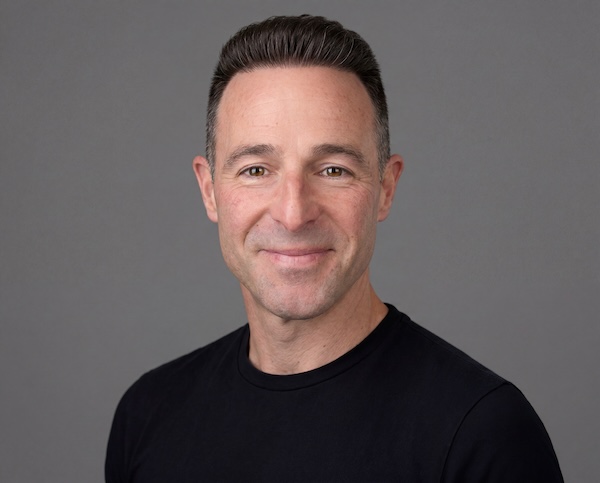
Author: Mark Ainely | Partner GC Realty & Development & Co-Host Straight Up Chicago Investor Podcast
There are some episodes where the value comes from a new tactic or a very specific strategy. This one is different. Dan Nelson’s conversation is really about mindset, conviction, and understanding what makes Chicago such a unique place to build wealth through real estate. He is not coming at this as someone who just sells property. He is coming at it as an investor, a broker, and someone who has been living this over the long term.
What stood out to me in this episode is how simple Dan makes the bigger point. Real estate is not about perfection. It is not about waiting until every box is checked. It is not about finding the magical deal that looks incredible on day one. It is about buying good property, holding it, improving it where it makes sense, and letting time do the heavy lifting. That sounds basic, but most people still overcomplicate it.
There is also a strong Chicago angle throughout this whole discussion. Dan makes a compelling case that Chicago still gives investors something that is getting harder and harder to find elsewhere: relatively affordable two- to four-unit properties, strong long-term appreciation potential, a steady stream of talented people moving into the market, and a housing shortage that is not getting solved anytime soon. For landlords, investors, and anyone trying to break into Chicago real estate, this episode is a strong reminder that the opportunity is still here if you are willing to act.
Housing Provider Tip of the Week
The housing provider tip of the week focused on rental scams in the Chicago area. Mark shared that in 2025 there were 16,000 known rental scams in the Chicago area involving bad actors copying listings, creating fake listings, collecting application fees, or otherwise trying to scam the public.
The takeaway was simple. If you are marketing rentals, pay attention to whether your listing is being duplicated somewhere else. One practical step mentioned in the episode was setting up Google Alerts for your property address or for a unique phrase from your listing so you can catch copied listings faster. They also mentioned that a lot of these scams end up circulating on Facebook, so landlords and property managers need to stay alert.
Questions We Answer in This Episode
Q: How did Dan get into real estate if he did not even want to be in the business at first?
A: Dan said he had zero interest in real estate initially. The whole thing started because his wife quit her job after a fight with her boss and came home saying she was going to start flipping houses. At the time, they had just bought a house he did not even really want to buy, and she jumped into learning how to renovate by reading blogs, watching videos, and working with experts along the way. That first flip led to the next opportunity, and eventually real estate became the path they built their lives around.
Q: What role did poker play in Dan’s early investing journey?
A: More than most people would expect. Dan explained that he had been playing poker since he was young and was regularly playing with people who had money and were not especially strong players. He used those winnings as part of the capital that helped them buy a two-unit property, live in one unit, rehab it, and keep building from there. It is a funny part of the story, but the bigger point is that he found a way to create capital and put it to work.
Q: How does poker connect to real estate decision-making?
A: Dan made the case that real estate is a form of calculated gambling. Not reckless gambling, but making decisions under uncertainty and being willing to take action before everything feels guaranteed. He said people can listen to podcasts and read books for years, but eventually they have to accept risk and make a move. That mindset of being comfortable with uncertainty has clearly shaped how he looks at deals.
Q: What is an example of a deal that did not make much sense on paper at first?
A: Dan talked about buying a property next to a train line that needed a complete rehab even though they did not really know what they were doing yet. On the surface, that sounds like the kind of deal most people would avoid. But they believed in the location and believed they could make it work long term. That willingness to step into imperfect situations is a recurring theme in the episode.
Q: How did Dan and his wife divide roles in the business?
A: Dan made it very clear that his wife loves flipping and he loves long-term rentals. That difference drives a lot of their conversations and strategy. She sees the design, the potential, and what the house can become. He sees the longer-term value, the income side, and the hold strategy. It sounds like that push and pull has actually helped them rather than hurt them.
Q: What did their next phase look like after the first successful live-in rehab?
A: Once they had equity, they did not just sit on it. Dan said they refinanced or used that equity to go buy more property. At one point, they were able to buy both a single-family home in Ravenswood to flip and another two-unit to live in and work on at the same time. That reinvestment mindset was critical to how they scaled.
Q: What were some of the hard lessons they learned early with contractors?
A: Dan said they went through the full experience most people fear. They hired a contractor who was not paying his subs, was dishonest, and created a mess. But instead of treating that as proof they should quit, Dan framed it as getting a real education. His point was that painful mistakes can harden you and teach you lessons you will not forget. That perspective is one of the strongest parts of the episode.
Q: How did they eventually build a better renovation team?
A: Not by finding one perfect contractor. Dan explained that they gradually built the team by testing people on smaller things, seeing who was good at what, and adding the right people over time. Some were better at certain parts of the work than others, and the team evolved based on experience. It was a slower process, but a much smarter one.
Q: What kind of properties and neighborhoods were they focused on over time?
A: Dan said they spent a lot of time in places like Andersonville, Edgewater, Ravenswood, and Lincoln Square, then later also worked in places like Evanston and Sauganash. But he also made clear that many of the decisions were driven by what his wife saw in a property. She would fall in love with the potential, the original Chicago character, and what the home could become.
Q: Why did Dan eventually get his real estate license?
A: His wife had wanted one of them to become licensed years earlier, but Dan resisted because he did not really see being an agent as a real career path for himself. What changed everything was when she told him he could become the agent they always wished they had. That clicked for him. He got licensed in 2020 and started helping investors, which became a natural extension of the life they had already built through real estate.
Q: What advice does Dan have for newer agents trying to grow in the investor space?
A: He was blunt that becoming a successful real estate agent is extremely hard, especially in the beginning. His approach was to assume he might fail and then respond by doing everything he could think of. He talked to everyone he knew, kept asking for referrals, kept having conversations, and did not stop. He also emphasized that agents working with investors need to be willing to learn constantly, work hard, and actually provide value beyond just sending listings.
Q: Why has Dan worked well with out-of-state buyers?
A: Part of it is reputation and content, including being featured on BiggerPockets and posting on social media. But the more interesting piece is that many out-of-state investors understand Chicago’s value faster than local people do. Dan said buyers from places like California and New York often see Chicago as an incredible market because of what they can buy here relative to what they are used to in their own cities.
Q: What is one of Dan’s biggest arguments for Chicago real estate right now?
A: He believes two- to four-unit buildings in Chicago are an unusually strong long-term play because they are becoming more rare, they offer a better living experience than large apartment buildings, and they are not being rebuilt at the same pace they are disappearing. He argued that over time these properties will become even more desirable because they offer privacy, strong rental demand, and long-term appreciation potential.
Q: Why does Dan think so many buyers get stuck?
A: Because they focus too much on year-one cash flow and not enough on the bigger picture. He said he never bought properties that looked great from a cash flow standpoint on day one. What mattered was whether he could see how the rents would improve, how the area would appreciate, and how the deal would perform over time. That long-term lens is central to how he thinks.
Q: What makes Dan especially bullish on Chicago going forward?
A: He sees Chicago and the broader Chicagoland area as a place that keeps attracting talented people, keeps producing new businesses, and still offers relatively affordable housing compared to many other major metros. He also believes the housing shortage is real, the city is not building enough of what people actually want, and that this keeps pushing long-term value upward.
Q: Which neighborhood did Dan highlight as especially interesting?
A: Jackson Park Highlands stood out as one of the neighborhoods he is most bullish on. He talked about the long-term upside around that whole area, including the broader stretch down through South Shore. He sees it as one of the last true lakefront areas in Chicago with major upside still ahead, especially as more attention and investment move that direction.
Top 15 Timestamps
01:58 Housing Provider Tip of the Week on rental scams and duplicated listings in the Chicago area
03:36 Dan gets introduced as an investor, broker, and entrepreneur behind Dan Loves Houses
04:15 Dan talks about learning poker young and how it shaped his thinking
05:17 The story of how his wife quit her job and pushed them into real estate
06:16 Using poker winnings to help buy a two-unit and begin building through real estate
07:55 Dan explains why real estate is really about being comfortable with calculated risk
09:16 A story about buying a rough property next to a train line and making it work
10:40 Why Dan always wanted to move on once a house was finished instead of just staying put
11:31 Buying both a single-family flip and another two-unit after pulling equity out
11:55 The contractor disaster and how hard lessons made them better
14:28 Dan explains how his wife chooses projects based on original character and potential
17:09 Why Dan finally got licensed and became the agent he wished he had
18:27 Dan’s advice for new agents trying to survive and grow in real estate
21:21 His view on why buyers focus too much on year-one cash flow and miss the bigger opportunity
42:57 Dan highlights Jackson Park Highlands and South Shore as areas with major long-term upside
Takeaways for Chicago Landlords and Investors
You do not need the perfect start. You need a willingness to begin.
A lot of the best real estate decisions feel uncomfortable before they look obvious.
Live-in rehabs and two-unit strategies can create the equity that funds your next move.
Contractor problems are painful, but they can also be the education that makes you better.
If you only evaluate real estate based on year-one cash flow, you will miss a lot of strong opportunities.
Chicago still offers a rare mix of affordability, long-term upside, and housing scarcity.
Two- to four-unit properties are especially attractive because they are useful, desirable, and increasingly rare.
Out-of-state investors often see Chicago more clearly than locals because they compare it to much more expensive markets.
Great investor agents do more than open doors. They help clients think, plan, and build wealth.
Long-term conviction matters more than perfect spreadsheets.
Guest info
Guest Name: Dan Nelson
Guest Company: Dan Loves Houses
Guest Link: https://www.danloveshouses.com/
Because finding good tenants and property management shouldn’t feel like online dating.
Dear Investor,
If you are an investor in either the city or suburbs of Chicago, I would love to speak with you about how we can help you on your real estate journey. At GC Realty & Development LLC, we help hundreds of Chicagoland real estate owners and brokers each year manage their assets with both full service property management and tenant placement services.
We understand that every investor’s goals are unique, and we love learning about each client’s individual needs. If there is an opportunity to help you buy back your time by managing your rental property or finding quality tenants, please check us out.
Best Investing,

Founder, Partner, Podcast Co-Host, and Investor
%20(3)_14.png)