
 Vendor Portal
Author: Mark Ainely | Partner GC Realty & Development & Co-Host Straight Up Chicago Investor Podcast
A lot of people look at large development projects and assume the person behind them always had the full roadmap from the beginning. That is not what this conversation shows. Adam Friedberg walks through a path that started with very small projects, plenty of mistakes, a lot of self-education, and a willingness to ask questions other people were too embarrassed to ask. That matters because this episode is not really about billion-dollar headlines. It is about how someone builds the foundation to handle those kinds of deals in the first place.
What makes this episode worth paying attention to is how practical the lessons are, even if you are nowhere near adaptive reuse or high-rise development. Adam talks about learning construction by being on site every day, watching trades work, asking why things went wrong, and treating projects like real-life graduate school. He also gets into how Maverick evolved from a construction company into a developer, how they approached ground-up opportunities, how they structured deals, and how they thought through some of the bigger risks on projects like St. Grand and 65 East Wacker.
For Chicago landlords, property managers, and investors, there is a lot here that applies far beyond large development. This episode is really about how value gets created, how risk gets managed, and how much progress can come from making the next right micro decision instead of waiting until you have every answer.
Housing Provider Tip of the Week
The housing provider tip at the start of the episode is simple, but it hits. Property management is often less about doing something new and more about clearly laying out expectations for everyone involved. What is going to happen, when it is going to happen, how it is going to happen, how much it is going to cost, and how people will be updated along the way.
That is one of the biggest differences between a smooth operation and a frustrating one. Whether you manage one unit or thousands, expectations drive the experience for owners, residents, and vendors.
Questions We Answer in This Episode
Q: How did Adam get started in real estate before the large development projects?
A: He started with interest and curiosity, not some polished master plan. His first project was a 2,500 square foot building in River Forest with a commercial kitchen, which he turned into a kitchen incubation business. He did everything himself, from raising money to running construction to operating the business and eventually selling it. That first deal gave him something more valuable than a clean return. It gave him real reps.
Q: What did he learn from those first small projects?
A: He learned that real estate can be forgiving if you start small enough, but only if you are willing to pay attention. He admits he made a lot of mistakes. He paid too much for materials, took too long on construction, used outdated lease language, and did not understand enough about execution. But because the projects were small, the mistakes were survivable, and the learning was huge.
Q: How did he find his early deals?
A: He went to the MLS, sorted by longest time on market, and looked for properties that seemed hardest to move. His thinking was simple. If a property had sat long enough, maybe the seller would be more motivated. That is how he found some of his first opportunities, including the River Forest building and a beat-up former restaurant in Oak Park.
Q: What helped him improve on the construction side?
A: Being there. Adam makes it clear that he learned construction by spending time on site, watching plumbers, electricians, and contractors work, and asking questions constantly. He did not disappear after signing a contract. He treated the jobsite like an education. That is one of the strongest lessons in the episode. If you want to understand value-add construction, you need to be close enough to see what is actually happening.
Q: Why was asking questions such a big part of his growth?
A: Because pretending you know what you are doing does not actually help you get better. Adam talks openly about being self-conscious at first, but he eventually realized the only way to improve was to ask the questions that might make him look inexperienced. He credits that willingness to ask “silly” questions as one of the biggest reasons he kept improving.
Q: When did the connection between construction and development really click for him?
A: It clicked when he joined Maverick and got deeper exposure to the general contracting side of the business. He cold-called the company after seeing one of their projects featured, asked for a job, and even agreed to work for free when they said they could not pay him. Once he became immersed in larger projects, especially Southport Loft, the light bulb went off. If the GC is controlling so much of the project and understands the costs so well, why not become the developer too?
Q: How did Maverick make the jump from GC work into development?
A: Adam had to sell the vision internally. He built a model, put together a presentation, and pitched the concept to his partners almost like they were outside investors. He explained how they would raise money, manage construction, and either hold or sell the project. From there, they moved into their own development deals.
Q: What was significant about Maverick’s first larger development project?
A: Their first major development was a 30-unit apartment building at 4714 North Sheridan called the Mandrion. It was an as-of-right deal, which meant they did not need zoning or entitlement changes, and that cut down a lot of risk and time. They built it, leased it up quickly, and sold it about a year after closing on the dirt. That project validated the business model in a big way.
Q: How did they structure those early development deals?
A: Adam explains that the capital stack on that first larger project was fairly straightforward compared to some of what they do today. They raised about $2 million in equity, procured debt, offered a preferred return to the investor, and also took acquisition, development, and construction fees. He is also honest that with hindsight, some of those decisions were aggressive, but that is part of what made the early deals such strong learning experiences.
Q: What did he learn about investors as the business grew?
A: He learned that the relationship matters just as much as the structure. Adam talks about how many of Maverick’s investors have become friends, and how they are selective about who they work with. They would rather say no than force a relationship with someone who is not aligned. He makes the point that life is too short to work with people you do not like.
Q: What happened on the St. Grand project that really tested the team?
A: A lot. The deal itself was a challenge because it had been under contract with multiple groups before, but no one had actually executed. Adam approached it from an as-of-right perspective rather than chasing a much bigger entitlement play, which gave the seller more certainty. Then came the pressure of putting hard money at risk and moving quickly on a very large project. On top of that, the team had to pivot the unit plans because COVID changed what renters wanted. Instead of sticking to the original micro-unit concept, they adjusted the product to better fit the market.
Q: How did Maverick keep construction costs competitive on major projects?
A: Adam explains that part of it comes from scale, but a bigger part comes from asking questions earlier and more often. On St. Grand, they went to GCs before fully designing the building, gathered information about what an efficient building should look like, and then gave that criteria to the architect. They also obsessed over details like glass, floor plate efficiency, and even slab thickness because small changes across many floors can create huge savings.
Q: Why are office-to-residential conversions harder than people assume?
A: Adam gives a very grounded answer. Sometimes the issue is not just the building. It is the location. Does anyone actually want to live there? Then there are the physical problems. Plumbing is much harder to retrofit in office buildings, floor plates can be too deep, facades can be expensive to maintain, windows may not be operable, and hidden conditions can wreck a budget. That is why a building like 65 East Wacker stood out. It checked the boxes physically and locationally in a way many conversion candidates do not.
Q: How did they make the 65 East Wacker deal work?
A: Through a more creative capital stack and by surrounding themselves with experts. Adam explains that the deal included traditional equity, a senior lender, historic tax credit equity, and a lender bridging the value of those credits. He is clear that he had not done a historic tax credit deal before, but that did not stop the project because the right consultants, architect, GC, and construction management team were in the room.
Q: What is Adam’s outlook on Chicago?
A: Very bullish. He believes in the city both personally and professionally. He lives here, is raising a family here, and sees Chicago as one of the most compelling long-term markets in the country. He points to rent growth, job base, culture, and scale as reasons to keep betting on the city. He also believes Chicago’s optics can change, and when they do, more people will start focusing on the opportunity that is already here.
Top 15 Timestamps
- 00:21 Why growth often starts before you have every answer
- 00:40 Mark highlights the value of asking questions and making micro decisions
- 01:33 Housing Provider Tip of the Week on setting expectations in property management
- 03:01 Adam explains his first project and the River Forest kitchen incubation business
- 04:24 The early mistakes that taught him the most
- 05:53 Advice for small investors who want to get better at construction
- 07:44 Why Adam spent every day on site learning from trades
- 10:06 His second deal and how he kept using longest days on market to find opportunities
- 12:30 Why he went full-time before he really had certainty
- 15:13 The cold call to Maverick that changed his path
- 16:46 Adam agrees to work for free to learn construction at a higher level
- 20:25 The moment he realized the GC often controls the project and could become the developer
- 22:17 Maverick’s first major development deal at 4714 North Sheridan
- 31:17 How the St. Grand acquisition came together and why he approached it as-of-right
- 49:30 Why office-to-residential conversions are far more complicated than they look
Takeaways for Chicago Landlords and Investors
- You do not need every answer before you start, but you do need to keep making the next right decision.
- Asking the question that feels awkward is often what moves you forward faster.
- Construction knowledge creates a major advantage in value-add real estate.
- Small projects can be the best place to make mistakes because the lessons scale with you.
- Being on site matters. You learn more by watching work happen than by reading about it later.
- The right team can let you step into deals you have never done before.
- As-of-right opportunities can create speed and certainty that bigger entitlement plays do not.
- Good investors care about trust and communication, not just projected returns.
- Office conversions only work when both the building and the location make sense for residential demand.
- Chicago still has serious long-term upside for investors who know how to execute
Guest Information
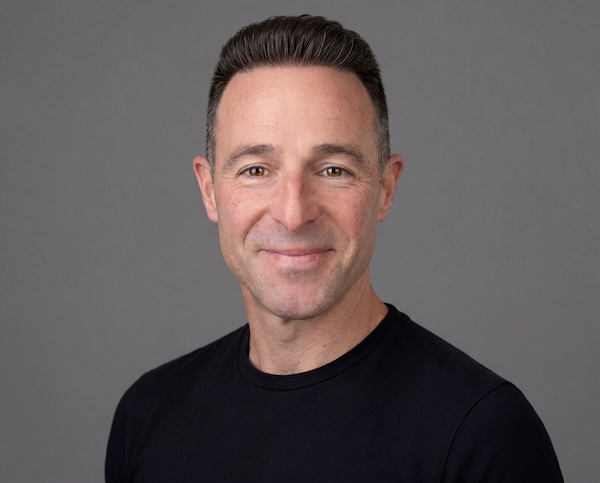
Guest Name: Adam Friedberg
Guest Company: Mavrek Development
Guest Link: https://mavrekdevelopment.com/project/adam
Because finding good tenants and property management shouldn’t feel like online dating.
Dear Investor,
If you are an investor in either the city or suburbs of Chicago, I would love to speak with you about how we can help you on your real estate journey. At GC Realty & Development LLC, we help hundreds of Chicagoland real estate owners and brokers each year manage their assets with both full service property management and tenant placement services.
We understand that every investor’s goals are unique, and we love learning about each client’s individual needs. If there is an opportunity to help you buy back your time by managing your rental property or finding quality tenants, please check us out.
Best Investing,
Founder, Partner, Podcast Co-Host, and Investor