

 Vendor Portal
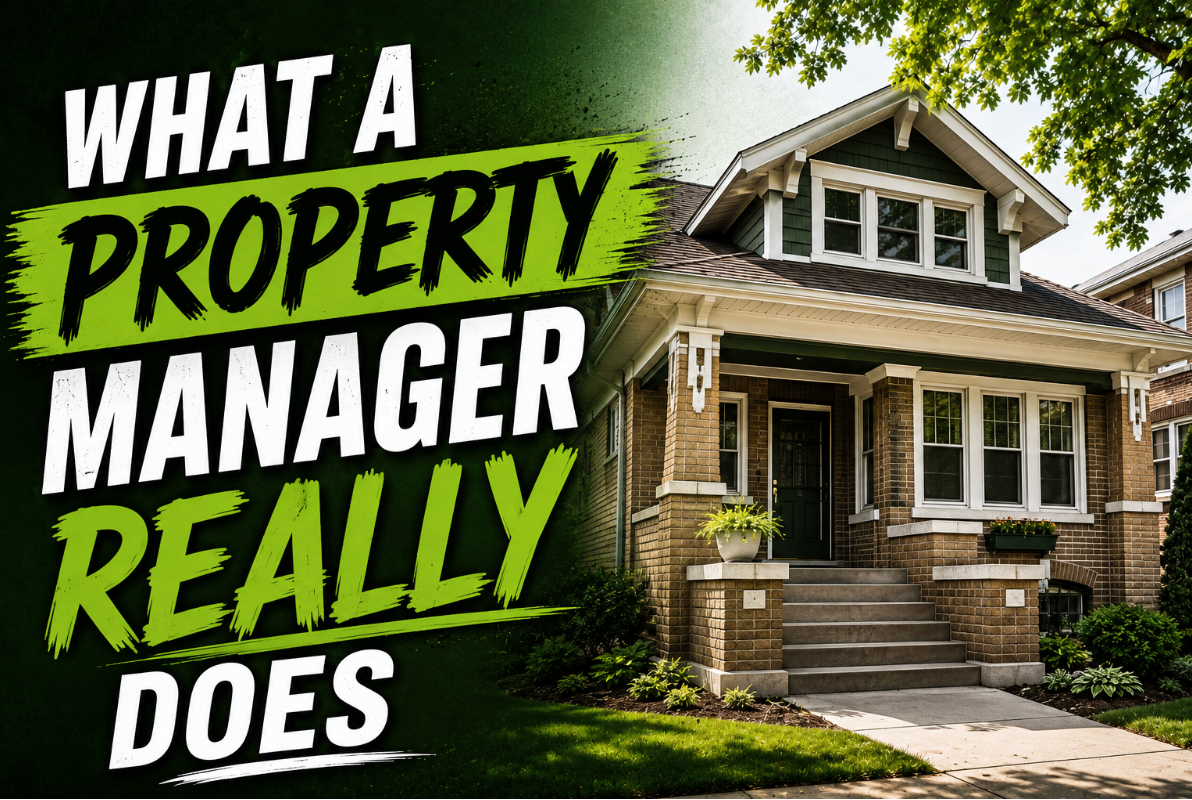

Author: Mark Ainely | Partner GC Realty & Development & Co-Host Straight Up Chicago Investor Podcast
If this is your first rental property, the term "property management service" probably sounds bigger and vaguer than it needs to be. Owners picture someone who collects rent and fixes a leaky faucet. That is part of it, but it is a small part. After more than two decades managing rental property across Chicagoland, I can tell you the job is a lot more involved than most first time landlords expect, and knowing what it actually covers is what lets you hire well the first time instead of learning the hard way.
This article breaks down what a residential property management service does, in plain terms, so you know what you are paying for and what to expect once you sign on with one.
Not sure what your unit should rent for before you even get to this decision? Request a free rental analysis here and get real numbers instead of guesses.
Before we get into the breakdown, one honest note. Property management is not for everyone, and if a company tells you hiring them will make you more money, be skeptical. In most cases they cannot promise that, and anyone who leads with it is selling harder than they should. What we actually offer, at least from us, is two levels of value: you buy your time back, and you lower your risk. That is a different pitch than "more money," and it is the honest one.
Key Takeaways
A residential property management service handles leasing, maintenance, tenant communication, rent collection, and legal compliance on your behalf
Most first time landlords underestimate how much of the job is tenant screening and legal compliance, not just rent collection
Fees are typically a percentage of collected rent or a flat monthly amount, with leasing handled as a separate charge
Good management protects you from the two most expensive first time landlord mistakes: a bad tenant placement and a fair housing violation
You should walk away from a first conversation with a management company knowing exactly what is included and what costs extra
Property management is not the right fit for every owner, and the honest value is time back and lower risk, not a promise of more money
What a Residential Property Management Service Actually Does
Think of the job in three parts. Leasing, maintenance, and tenant retention. Almost everything falls into one of these.
Leasing covers pricing your unit correctly, marketing it, fielding inquiries, screening applicants for credit, income, rental history, and background, and getting a compliant lease signed. This is the part most first time landlords focus on, and it is also where the most expensive mistakes happen. A bad tenant approval costs you months of unpaid rent, legal fees, and a unit that needs work when they finally leave.
Maintenance covers fielding repair requests, dispatching vendors, approving work, and handling emergencies, ideally with a real 24 hour response line rather than a voicemail that gets checked in the morning. This is also where a lot of companies fall short, so it is worth asking directly how emergency calls actually get handled at 2am.
Tenant retention is the part first time landlords rarely think about, and it is the one that affects your bottom line the most. A tenant who renews saves you a vacancy, a leasing fee, and turnover costs. Good management means responsive communication and fair treatment that gives a tenant a reason to stay.
Underneath all three sits rent collection, owner statements, and basic accounting. It matters, but it is a small slice of the actual work.
What It Typically Costs
Most Chicagoland property managers charge one of two ways. A percentage of collected rent, commonly in the 6 to 10 percent range, or a flat monthly fee per unit. Leasing a vacant unit is almost always billed separately, typically a full month's rent, since it covers marketing, showings, screening, and paperwork that ongoing management does not touch.
Beyond that, ask specifically about eviction handling, annual inspections, and maintenance markups. These vary widely between companies and are the most common source of surprise on a first landlord's bill.
Questions to Ask Before You Sign
What is included in the base management fee, and what is billed separately
How are maintenance requests dispatched, and is there a real emergency line
What does the screening process actually check, and how is it kept fair housing compliant
How often will I get a statement, and can I see it in real time
What happens if I need to evict a tenant
If a company cannot answer these clearly and specifically, that tells you something on its own.
Frequently Asked Questions
Do I need a property manager for just one rental unit? Not always, but most first time landlords underestimate the time cost of screening, maintenance calls, and legal compliance until they are living it. If you do not have time to take a maintenance call during a workday, management is usually worth it.
Is a percentage fee or flat fee better? Neither is automatically better. A lower percentage with high add on fees can cost more than a higher percentage with everything bundled in. Compare the full fee schedule, not just the headline number.
Do property managers in Illinois need a license? Yes. Anyone leasing or managing rental property on behalf of an owner generally needs a real estate broker's license in Illinois, and the company should be properly licensed as well.
What is the single biggest risk of not using a property manager as a first time landlord? A bad tenant placement. It is the most common and most expensive mistake new landlords make, and it usually comes from skipping or rushing screening.
Want to screen tenants like a pro even if you decide to self manage? Download our tenant screening best practices guide here.
Don't Go At This Alone!
Hiring your first property manager should not feel like a leap of faith. Our team at GC Realty manages roughly 1,500 units across Chicagoland, and we are glad to walk a first time landlord through exactly what is included in our service and what to expect before you sign anything.
My personal mission has always been simple: help investors buy their time back and lower their risk, without sacrificing the returns that make owning rental property worth it in the first place.
For more on how services differ between companies, see our article on what property management companies actually do for landlords in Chicago. If you are still deciding whether to hire out at all, our self managing versus hiring a property manager comparison walks through that decision in detail.
%20(3)%20(1)_3.png)
_1.png)