
 Vendor Portal
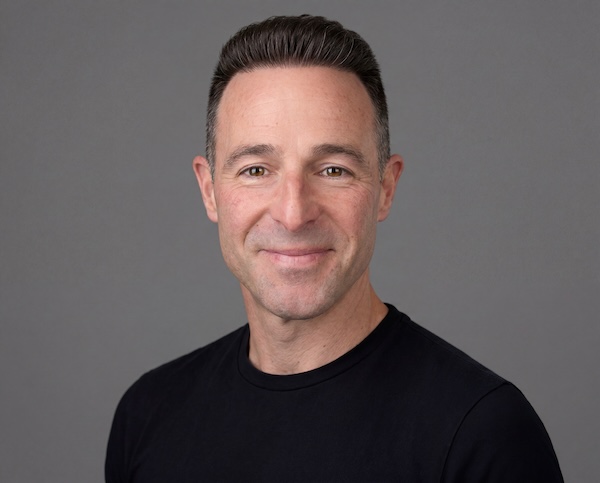
Author: Mark Ainely | Partner GC Realty & Development & Co-Host Straight Up Chicago Investor Podcast
This episode was heavy on Chicago landlord policy, but we also covered the Bears stadium rumors, the state junk fee law, flooding and sump pump backups, Chicago’s air conditioning rules, and one important LLC issue that can hurt landlords during eviction if they miss it.
The big theme was simple: a lot of these laws are being sold as tenant protections, but many of them could make housing more expensive, harder to provide, and harder for tenants to access.
What we talked about in this episode
Mayor Johnson’s Protecting Renters Ordinance is moving hard
We started with the big news out of City Hall.
Mayor Johnson is pushing hard on the Protecting Renters Ordinance. Tim said the mayor and Alderman Byron Sigcho-Lopez from Pilsen appear to be putting a lot of political weight behind this plan, and the city has even created a section on Chicago.gov dedicated to it.
The concern is not just the proposal itself. The concern is how it is being framed.
If the media only covers this as “helping renters,” then aldermen who vote against it may look like they are voting against tenants. That is the danger. A law can have a name that sounds good and still create bad outcomes.
From what I heard from Mike Glasser and MBOA, there was strong turnout and strong pushback from landlords and housing providers. The message from the landlord side was clear: this ordinance may be marketed as tenant protection, but it could hurt tenants long term by driving up costs and pushing landlords out.
Landlords need to speak up now
This is one of those moments where investors cannot sit back and assume common sense will win.
A lot of landlords look at a proposal like this and think, “That sounds so bad, there is no way it passes.”
That is the wrong mindset.
If landlords do not show up, sign petitions, talk to aldermen, attend meetings, comment publicly, and support organizations like MBOA and CAR, these things can move forward. The people who show up are the people who get heard.
It is frustrating because owners could be spending that time improving buildings, handling maintenance, or running their business. But right now, part of owning rental property in Chicago is paying attention to City Hall.
The cost will not disappear, it will become rent
Tim brought up a breakdown he saw showing how a $1,000 rent could jump once you add the costs created by the proposed ordinance.
If landlords have to account for relocation fees, registration costs, inspection delays, and limits on what can be charged, those costs do not vanish. They get built into the rent.
That is what politicians often miss. Landlords are not going to absorb every new cost forever. The risk has to be priced somewhere.
If the city makes it more expensive and more risky to own rental housing, rents go up, investment slows down, or owners leave the market. None of that helps tenants.
Chicago’s “big bad landlord” story does not match reality
We talked about how the public often imagines landlords as big corporations or institutional investors.
That is not the reality in most of Chicago.
Most landlords are small owners, mom-and-pop investors, two-flat owners, three-flat owners, and people trying to build financial stability. The irony is that the really large institutional investors are often not here in a major way because Chicago is already so difficult to operate in.
The rules, eviction process, old housing stock, taxes, and compliance risk make it hard for large operators to make the numbers work.
So when laws like this get passed, they do not usually hurt the big institutions the most. They hurt smaller local owners who do not have the same staff, capital, or legal teams to absorb the shock.
A rental bureau with inspections could create major delays
One detail Tim caught in the press conference was especially concerning.
The proposed new rental bureau may be tied to inspections.
That is a major red flag.
Chicago already has systems like 311, the building department, the health department, and CHA inspections. The city already struggles to move quickly on the systems it has.
Tim brought up the CHA example where inspection and paperwork delays can drag on for months. If the city cannot process a small percentage of subsidized units quickly, what happens if they try to inspect or regulate the whole rental market?
That kind of system could hurt tenants too. If a tenant needs to move quickly because their building is unsafe, or because of a personal emergency, what happens if they are waiting months for city approval or inspection?
The easier solution is simple: if the city wants a registry fee, make it a fee. Do not create another slow inspection machine that makes housing harder to access.
Tax vacant buildings instead
We both agreed on one area where the city could focus instead: vacant buildings.
If someone is buying buildings and keeping them vacant as a tax play or speculative strategy, tax that harder. If commercial buildings are sitting empty and hurting corridors, address that. If CHA has vacant units, include those too.
That is different from punishing active landlords who are actually providing housing.
If the city wants more housing available, it should target vacancy, not make life harder for owners who are already renting units.
Chicago is still an opportunity, but risk has to be priced in
Kyra left a comment during the live about Chicago’s renter market showing potential, and Tim made a good point.
Chicago has a lot of problems, but those problems create opportunity for investors who understand the market.
You can still find properties in Chicago where the rent-to-price ratio is hard to find in other parts of the country. But the reason those numbers exist is risk. Taxes, regulations, inspections, tenant laws, old buildings, neighborhood issues, and political uncertainty all get priced in.
If you can operate through the rough points, Chicago can still be a strong long-term investment market. But you have to know what you are getting into.
Bears stadium rumors: McCook, South Works, Arlington, or Hammond?
We also had to talk about the latest Bears stadium rumor.
This time, McCook came up.
Tim did not buy it. His take was that McCook sounds unrealistic because of traffic, access, and the current road setup around the proposed area. He also said these village proposals are popping up because state legislation allowed villages to make proposals as long as they are paying for them.
But that does not mean the Bears are actually interested.
Tim thinks the real options are still Arlington Heights or Hammond, with Arlington still having the better odds if Illinois can figure out a deal. He does not think Chicago has much of a chance anymore because of lakefront restrictions and political obstacles.
We also brought up South Works on the Southeast Side, but that would bring its own traffic and environmental issues too.
The state junk fee law is now signed
We also talked about Governor Pritzker signing the state-level junk fee bill, which takes effect January 1.
Compared to Mayor Johnson’s proposal, this one feels more manageable. Tim said the state bill is mostly about disclosure.
The biggest landlord issues are:
Application fees will be limited to $50 unless you go through additional hoops.
Landlords cannot charge tenants for maintenance they did not cause.
Fees need to be clearly disclosed.
That is not nothing, but it is not the same kind of threat as the Chicago proposal. The state law is more about transparency. The Chicago proposal is where the bigger landlord risk sits.
Flooding, backflow preventers, and sump pump backups
We shifted back into weather because the storms have been brutal.
We talked about backflow preventers on sewer lines, especially on the South Side and Southwest Side. The idea is simple: water can leave the building, but sewer water cannot come back into it.
We are installing a few after the recent rainfalls because certain properties and certain pockets of the city are more prone to backup issues.
Tim added another point for suburban properties: sump pump battery backups. A power outage during a storm can shut off the sump pump right when you need it most. A $300 or $400 battery backup can be the difference between a dry basement and a flooded one.
I added that if you have a finished basement, go a step further. Add a backup pump too. Spending $600 or $700 on a battery backup and secondary pump can prevent a much bigger insurance claim, cleanup, mold risk, and tenant headache later.
Extreme heat and Chicago’s AC rules
After weeks of storms, now we are dealing with extreme heat.
Tim brought up Chicago’s air conditioning rules that came in after 2022. Once the heat index gets above 80 degrees, AC issues can become serious, especially in buildings with vulnerable residents or larger buildings with cooling requirements.
The point for landlords is this: do not treat AC like a casual maintenance request during a heat wave.
If the AC goes out when it feels like 100 degrees or more, get someone there, bring temporary window units if needed, and communicate quickly.
Even beyond the law, it is just good business. If a tenant goes a week without AC during extreme heat, what are the odds they renew? Probably not great.
And if you are turning a unit every year, your cash flow gets crushed. Tenant retention matters. Maintenance response is part of retention.
AC maintenance and when to stop patching old systems
We also talked about AC spring cleaning.
We pushed it harder this year because we have seen units that get serviced in spring have fewer problems through the summer. We will know more at the end of the season, but it is one of those preventative items that makes sense.
The other issue is old equipment.
If you have an old AC that needs Freon, you need to think hard before spending hundreds of dollars just to buy a little more time. If the system is already leaking and using expensive refrigerant, that money may be better spent toward replacement.
A $500 or $800 Freon bill on a dying unit is not a repair strategy. It is a delay. Sometimes the better move is to replace the condenser and get another 10 to 12 years of life.
Foreign LLCs need to register in Illinois
Tim closed with a practical legal reminder.
A lot of investors watch YouTube videos and hear they should use a Wyoming LLC or Delaware LLC. That may be fine for entity structure, but if that LLC owns rental property and is doing business in Illinois, it needs to be registered in Illinois as a foreign entity.
If you do not register properly and later try to evict a tenant, a tenant attorney may catch it. That can create serious problems because the entity may not have the legal standing it needs to file in court.
So if your LLC was formed outside Illinois, make sure it is registered to do business here before you need it.
Questions We Answer in This Episode
Q: What is the Protecting Renters Ordinance?
A: It is Mayor Johnson’s proposed Chicago rental ordinance that includes renter protections, a new bureau, possible inspections, and policies that landlords believe could raise costs and reduce housing access.
Q: Why are landlords worried about the ordinance?
A: Because the costs, relocation rules, registration requirements, and possible inspection delays could make rental housing more expensive and harder to operate.
Q: Are large institutional landlords the main issue in Chicago?
A: Not really. Chicago is mostly smaller landlords and local owners because the market is already difficult for large institutional investors.
Q: What should landlords do about flooding risk?
A: Consider backflow preventers, sump pump battery backups, backup pumps, and better storm preparation, especially for basements and garden units.
Q: Is AC considered urgent during a Chicago heat wave?
A: Yes. During extreme heat, landlords should treat AC issues as urgent, both because of city rules and because tenant retention depends on how quickly serious maintenance is handled.
Q: What should out-of-state LLC owners know?
A: If the LLC is formed outside Illinois but owns and rents property in Illinois, it should be registered as a foreign entity in Illinois.
Show Notes and Timestamps
00:16 Going live early because of Mark’s travel schedule
00:45 City Hall update and Protecting Renters Ordinance press conference
01:10 Mayor Johnson’s push and the political framing around renters
02:10 Mike Glasser, MBOA, and landlord turnout at City Hall
03:35 Why media coverage matters in the ordinance fight
04:32 How added costs could push $1,000 rent much higher
05:28 Why landlords need to speak up before bad laws pass
06:23 Small landlords vs the “big bad landlord” narrative
08:27 New rental bureau and inspection concerns
09:30 CHA inspection delays and why citywide inspections could hurt tenants
11:14 Why the city should tax units without creating inspection delays
11:38 Taxing vacant buildings instead of punishing active rentals
12:45 Chicago’s renter market and why local investors still have opportunity
16:40 Bears stadium rumors in McCook
17:30 Why McCook is unlikely and Arlington or Hammond may be more realistic
19:07 State junk fee bill signed by the governor
21:40 Flooding, backflow preventers, and recent storm issues
22:30 Sump pump battery backups and backup pumps
24:45 Extreme heat and Chicago’s AC rules
27:25 Why AC response impacts tenant renewals
30:45 AC spring cleaning and preventive maintenance
31:37 Freon, old AC systems, and when replacement makes more sense
32:45 Foreign LLCs and Illinois registration requirements
34:01 WSBOA event and closing
Key Takeaways for Chicago Landlords
The Protecting Renters Ordinance is moving hard, and landlords need to pay attention now.
A law can sound tenant-friendly but still make housing more expensive and harder to access.
Chicago’s rental market is mostly small landlords, not massive institutional owners.
If the city creates another inspection system, delays could hurt tenants and landlords.
Taxing vacant buildings makes more sense than punishing active rental housing providers.
The state junk fee law is mostly about disclosure, but landlords still need to prepare for January 1.
Backflow preventers, sump pump battery backups, and secondary pumps can prevent major water damage.
AC issues during extreme heat should be treated as urgent.
Old AC systems with expensive Freon leaks may be better replaced than patched.
Out-of-state LLCs doing rental business in Illinois need to be registered properly
Guest Information
Mark Ainley
Founder & Partner – GC Realty & Development
Podcast Co-Host – Straight Up Chicago Investor
Tim Harstad
Founder – Chicago Style Management
Because finding good tenants and property management shouldn’t feel like online dating.
Dear Investor,
If you are an investor in either the city or suburbs of Chicago, I would love to speak with you about how we can help you on your real estate journey. At GC Realty & Development LLC, we help hundreds of Chicagoland real estate owners and brokers each year manage their assets with both full service property management and tenant placement services.
We understand that every investor’s goals are unique, and we love learning about each client’s individual needs. If there is an opportunity to help you buy back your time by managing your rental property or finding quality tenants, please check us out.
Best Investing,

Founder, Partner, Podcast Co-Host, and Investor
%20(3)_24.png)