 Vendor Portal

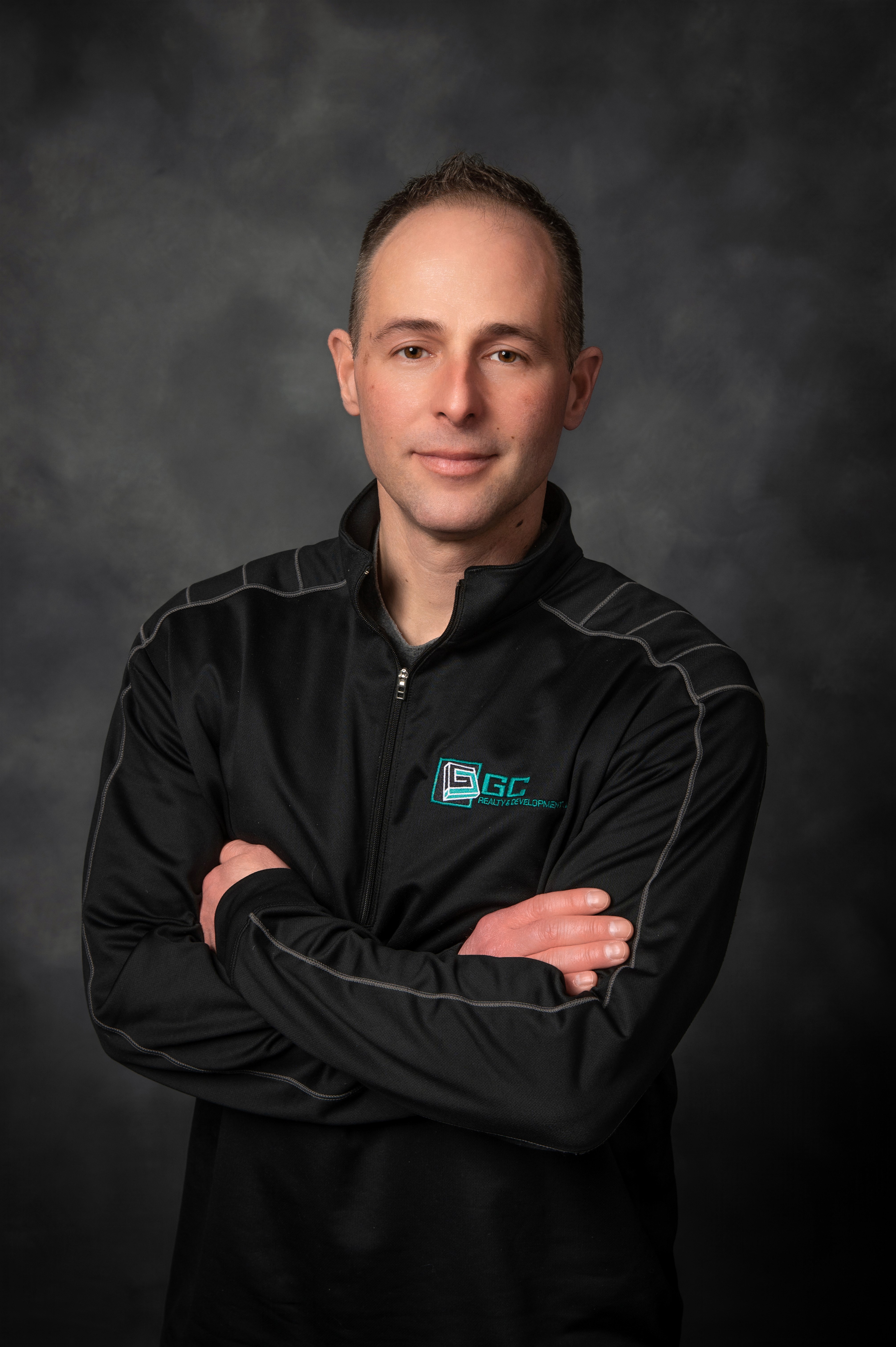
Author: Mark Ainely | Partner GC Realty & Development & Co-Host Straight Up Chicago Investor Podcast
There is a lot of talk in real estate about scaling fast, raising money, and building a real business, but this conversation gets into what that really looks like when you are doing it from the ground up. Jay Patel and Tedi Nati did not come into the game with a polished machine. They learned through years of study, constant follow-up, uncomfortable mistakes, and a lot of reps before they ever had enough momentum to look established.
What makes this episode worth paying attention to is how honest it is. They talk about the first eight-unit they bought in Austin, the money they nearly lost chasing the other twelve units in the same deal, the expenses they missed, the systems they had to build from scratch, and the pressure of trying to scale while still working full-time jobs. For any Chicago property manager, landlord, or investor trying to understand how value is really created in older housing stock, there is a lot here that hits home.
This is also one of those episodes that shows how much of the business comes down to management. Not just acquisition. Not just underwriting. Management. Tenant retention, maintenance standards, vendor quality, reserves, communication, and having the discipline to run a better operation than the tired landlord who owned the property before you.
Questions We Answer in This Episode
Q: What pulled Jay and Tedi into real estate in the first place?
A: Jay was looking for something sustainable and scalable that could give him freedom, impact, and long-term upside. He looked at other industries first, but real estate checked more boxes than anything else because of cash flow, tax benefits, appreciation, and refinance potential. Tedi started from a more blunt place, he wanted to make a lot of money, but over time the passion became more about building something real, creating strong housing, and helping families live in better spaces. That evolution is a big theme throughout the episode.
Q: How long did it take them to close their first deal?
A: Longer than most people want to hear. Jay spent roughly three years learning everything he could before he and Tedi teamed up, and after they joined forces it still took about another year to close the first property. That matters because it strips away the fantasy that everybody serious in this business gets a deal done in six weeks. Their progress came from repeated underwriting, touring deals, talking to brokers, asking better questions, and staying in the game long enough to finally get one across the finish line.
Q: How much can you really learn from books and podcasts before you have to just go do a deal?
A: Their answer was basically this: books teach you what needs to be done, but real deals teach you when and how to do it. They knew things like needing legal documents, financing, and construction planning, but they did not yet understand the sequence, timing, or decision-making pressure that comes with a live transaction. That part only comes through application. The information matters, but experience teaches you how to move in the right order when real money is on the line.
Q: What was the biggest thing they wish they had done earlier?
A: They both came back to mentorship. Not expensive fluff, not fake gurus, and not writing a giant check to somebody with a shiny sales page. Real mentorship. Getting around people who are actually doing deals, asking focused questions, and learning from people who can help you avoid costly mistakes. They made it clear that even five minutes with the right person can save you tens of thousands of dollars and a lot of wasted motion.
Q: Why did they choose Austin and Chicago’s West Side for their first deals?
A: They wanted to invest where they felt they had a better handle on the market and where the cash flow could support mistakes. Tedi made the point that he liked being boots on the ground and did not want to invest somewhere that felt too far removed from their day-to-day understanding. Austin gave them a chance to stay close to the property, learn operations firsthand, and target higher cash-flow opportunities. Jay also explained that they saw the West Side as having more continuity in terms of location and demand, especially compared to the disconnect they felt in other areas.
Q: What made their first eight-unit deal so important?
A: That property became the foundation for their whole business plan. Originally, they were under contract for twenty units split between two owners, but the seller with twelve units backed out and they only closed the eight. During due diligence, Jay noticed the eight-unit was getting much lower rents than the other building, even though the units were in better condition. Once they realized the gap was tied to poor management and a lack of rent increases, they saw the opportunity clearly. After they bought it, they pushed rents from around $1,000 to $1,300 within six months, which accelerated their plan in a way they did not expect.
Q: What did they get wrong on that first deal?
A: Expenses and reserves. They underestimated the true day-to-day cost of operating well, especially in older Chicago buildings. Plumbing came up as a major issue, along with cleaning, pest control, and the types of routine costs that are easy to ignore when you are only focused on acquisition and rent growth. On top of that, they spent months fighting over the twelve units that fell out of the original contract, which burned cash they would have rather kept in reserve. They survived it, but it taught them how important it is to have buffer, discipline, and adequate liquidity.
Q: How did their view of management change after that first property?
A: Early on, they were looking at certain costs as things to avoid. Later, they started seeing those same costs as part of being a good landlord and protecting the asset. Monthly pest control, regular cleaning, solving maintenance issues quickly, and taking pride in the property became part of the operating model. Jay made a strong point that when you walk into a tenant’s home and see they are taking care of it, that is the reward for not cheaping out. Better management helped them retain residents longer and keep the property functioning the way it should.
Q: How did they handle systems and operations before they had scale?
A: In the beginning, it was spreadsheets. A lot of spreadsheets. Tedi built large asset management models and handled the backend with whatever tools they could create themselves because software did not yet make financial sense for an eight-unit deal. As they grew, they layered in tools like AppFolio and QuickBooks, but the bigger lesson was not the software itself. It was understanding that clean numbers and reliable systems are what allow you to make strategic decisions. Garbage in, garbage out. If the information is weak, the decisions will be too.
Q: How were they financing these deals?
A: They raised equity from investors for the down payment and used debt for the rest. Their early deals were funded through private investors on the equity side, while relationships with brokers and lenders helped them secure financing. They also explained the difference between loan-to-value and loan-to-cost, especially once construction became part of the plan. Their ability to close future deals improved because they kept building trust with the right people and learned how to present themselves with more credibility each time.
Q: What changed on the second deal?
A: The second deal was a sixteen-unit property, also in Austin, and it came with more confidence, more investor interest, and a stronger understanding of the business plan. Their first investors came back, new investors who had waited on the sidelines now had FOMO, and they raised more capital. They also started leaning more intentionally into construction and operational improvement. Instead of just sitting back and letting time do the work, they became more aggressive about renovations, leasing, and forcing progress.
Q: Were they actually making money while building all of this?
A: Not in the way people assume. They were transparent that the first deals were not producing life-changing income for them personally. The team was still working long days and then putting more time in after hours to keep the business moving. Everyone believed in the larger vision and many of them had skin in the deals as investors too. The bigger payoff, in their view, was building the foundation, proving the model, and creating the credibility that later opened the door to larger deals and institutional-style relationships.
Q: What finally helped them step into a bigger league?
A: Execution. They later connected with a partner from Houston, but that opportunity only materialized because of the work they had already done, especially on the larger deal that gave them confidence and proof. Jay made it clear that he could only “talk the talk” at that level because they had already been through enough pain and enough reps to back it up. Their story was not about networking magic. It was about execution giving them something real to sell.
Show Notes
01:31 Why Jay chose real estate over other business models and what freedom meant to him
04:38 Tedi’s path into the business, from wanting money to finding purpose in housing
07:49 A real discussion on safety, housing quality, and what landlords often miss early on
08:55 How long it really took them to go from learning to closing the first deal
09:32 What books can teach you, and what only real-world execution can teach you
10:51 Why mentorship matters and how expensive mistakes can be avoided
16:30 How they built credibility with brokers before they had a track record
18:11 Why they focused on Austin and the West Side instead of chasing deals everywhere
21:33 The rent gap that made their first eight-unit deal a turning point
23:04 Running the backend with spreadsheets before software made sense
24:10 Raising equity, securing debt, and learning the financing side under pressure
26:56 The expenses they underestimated and how that changed their underwriting
33:50 Shared-building headaches, vendor issues, and lessons on team quality
37:13 The sixteen-unit deal, the “tired landlord” theory, and value-add opportunity
50:55 How meeting a Houston partner changed their growth trajectory
Takeaways for Chicago Property Managers and Landlords
Buying the deal is only the beginning, management is what determines whether the plan actually works
Older Chicago buildings need more realistic repair and maintenance assumptions than many new investors use
Strong reserves create options, weak reserves create stress
Rent growth opportunities often come from poor management, not just physical improvements
If you are buying in your backyard, use that advantage and learn the property at the ground level
Mentorship can shorten the learning curve dramatically if it comes from the right people
A tired landlord can be a better seller opportunity than a distressed operator trying to force a number
Good systems do not start with expensive software, they start with disciplined tracking and decision-making
Tenant retention improves when you stop treating maintenance, cleaning, and pest control like optional expenses
A strong team is not just helpful, it is one of the main reasons a business survives the hard stretch
Guest info
Guest Name: Jay Patel & Tedi Nati
Guest Company: JP Acquisitions
Guest Link: https://jpacq.com/
Because finding good tenants and property management shouldn’t feel like online dating.
Dear Investor,
If you are an investor in either the city or suburbs of Chicago, I would love to speak with you about how we can help you on your real estate journey. At GC Realty & Development LLC, we help hundreds of Chicagoland real estate owners and brokers each year manage their assets with both full service property management and tenant placement services.
We understand that every investor’s goals are unique, and we love learning about each client’s individual needs. If there is an opportunity to help you buy back your time by managing your rental property or finding quality tenants, please check us out.
Best Investing,
Founder, Partner, Podcast Co-Host, and Investor