

 Vendor Portal

Author: Mark Ainely | Partner GC Realty & Development & Co-Host Straight Up Chicago Investor Podcast
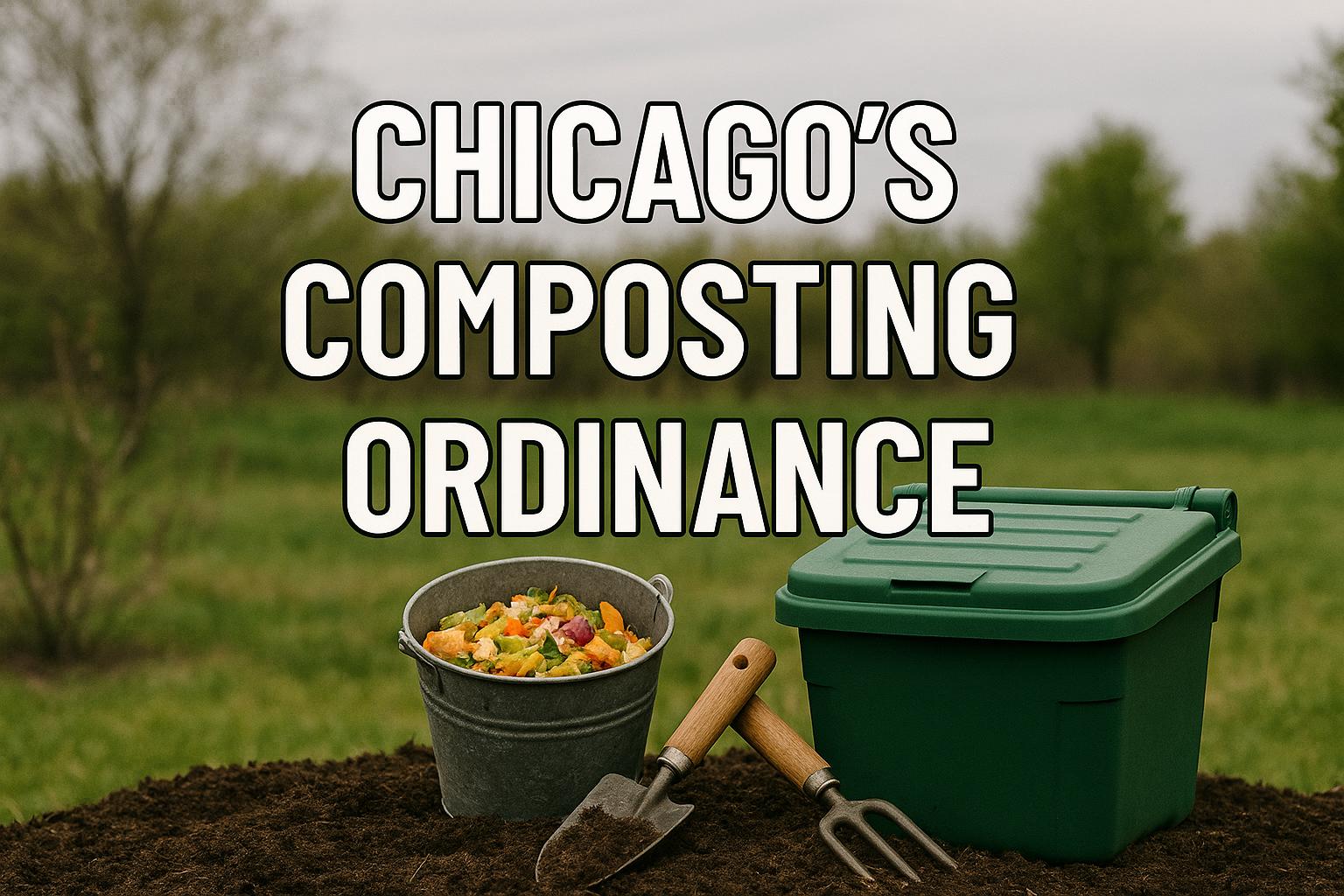
I’ll be honest, this isn’t a topic that comes up often in investor conversations, podcasts, or property management strategy sessions. I’m Mark Ainley. I own a property management company here in Chicago, I’m an investor myself, and I co-host the Straight Up Chicago Investor Podcast. We spend a lot of time talking about rent, vacancies, and protecting returns. Composting almost never makes the list. But if you’ve ever wrinkled your nose walking past an overfilled trash chute or dealt with a mouse that decided your building’s trash room was home, you already know why this matters. In October 2025, Chicago’s City Council passed a composting ordinance that changes how residents, landlords, and property managers handle organic waste. Most people don’t know it exists, let alone what it requires. This law isn’t about being trendy or “green”, it’s about setting clear standards that affect pests, odors, operations, and compliance, and understanding it now can save you real headaches later.
The Composting Question: Why Now?
Composting used to be the domain of backyard gardeners and farmers. City dwellers rarely thought about food waste beyond throwing it in the trash. But as environmental awareness has grown, urban composting has gained traction. It reduces methane emissions from landfills, returns nutrients to the soil, and supports local urban farming initiatives. Moreover, Chicago’s 2025 ordinance aims to support the City’s climate goals by encouraging residents to separate organic waste.
Prior to the ordinance, many landlords and condo associations banned composting outright, citing concerns over smells, bugs and the cost of managing additional bins. Residents who wanted to compost had to sneak their food scraps into community gardens or pay for private pickup services, often facing resistance from boards or property managers. The City Council heard numerous stories of people being denied the ability to divert their food waste, even when they promised to use pest‑proof containers. The composting ordinance was born to rectify that and to align Chicago with other progressive municipalities.
What the Ordinance Does: The Basics
At its core, the 2025 composting ordinance makes two things clear: residents have the right to compost, and that right comes with responsibilities. The ordinance prohibits landlords, property managers and homeowner associations from imposing blanket bans on composting or organic‑waste collection programs. In other words, you cannot forbid tenants from collecting food scraps in their units for later drop‑off or from hiring a licensed composting service to pick up their waste. The law recognizes that tenants should be able to participate in environmental efforts without fear of violating their lease.
However, the ordinance does not permit composting free‑for‑all. It outlines strict container standards to ensure health and safety:
Compost bins must be fully enclosed and leak‑resistant. No more open buckets or cardboard boxes that invite fruit flies and rodents. Lids must seal tightly, and openings cannot be large enough for insects or pests to enter.
Only organic waste generated on site may be composted. Tenants cannot bring bags of waste from other locations.
All waste must be completely contained, nothing should ooze onto floors or create odors. Bins should not attract rodents or insects. This means using sturdy containers, emptying them regularly and cleaning them as needed.
The ordinance also details enforcement and penalties. If a landlord or association unreasonably restricts composting, tenants may seek a court order forcing the landlord to comply. The City can also issue fines for violations, typically ranging from a few hundred to several hundred dollars per day. Conversely, if a tenant’s compost bin leaks or attracts pests, the City may fine the tenant and order the composting to stop until the problem is resolved. These dual enforcement mechanisms ensure both sides play fair.
The Landlord’s Perspective: Risks and Misconceptions
When the ordinance passed, some property owners feared it would turn their buildings into unregulated waste depots, teeming with bugs and reeking of last night’s dinner. As property managers ourselves, we get it, the thought of smelly bins and angry neighbors is unsettling. But much of that fear stems from misconceptions. Here’s what the ordinance does not do:
It does not require you to allow composting in any container the tenant chooses. You can and should set rules about bin size, material, and design. Requiring an odor‑neutralizing, pest‑proof bin isn’t a violation; it’s a reasonable restriction.
It does not force you to shoulder the cost of a building‑wide compost program. Tenants who contract with a private company must pay the vendor directly. If you choose to offer building‑wide compost collection, you can recover costs through normal rent or fee structures, as long as you follow the terms of your leases.
It does not absolve tenants of responsibility. The ordinance explicitly states that tenants are liable for any damage or infestations caused by improper composting. You can fine tenants who repeatedly violate container standards or who refuse to remedy pest issues. And if problems persist, you can pursue lease enforcement, including eviction, just as you would for other lease breaches.
The key word in the law is reasonable. Landlords can impose reasonable rules to maintain health, safety and property values. Courts will look at whether your restrictions solve real problems or simply frustrate tenants’ rights. For example, requiring sealed bins and mandating weekly disposal are reasonable. Banning composting because “we’ve never done it before” is not.
Creating a Compost Policy: Best Practices
Implementing the ordinance is an opportunity to set clear expectations and avoid conflicts. Here’s how to craft a compost policy that works for everyone:
Set container standards. Specify that bins must be rigid, leak‑proof and have pest‑proof lids. Include maximum sizes to ensure bins fit in kitchens or designated storage areas. You could require tenants to use a particular model or a list of approved containers.
Determine storage locations. Decide where bins can be stored. Many buildings require bins to remain inside units until pickup day. Others designate an outdoor or basement area. Consider ventilation, space constraints and the potential for odors when choosing a location. Communicate these rules clearly in writing.
Outline disposal frequency. Set guidelines for how often bins must be emptied. Weekly or bi‑weekly pickup prevents odor buildup. You can require tenants using private services to schedule pickups on certain days or at specific times to minimize disruption. If your building offers a centralized drop‑off, establish hours of operation.
Vendor vetting. Require tenants to use licensed, insured vendors if they aren’t self‑composting. Ask to see proof of insurance and ensure the service uses sealed trucks or containers. Vendors should know your building’s procedures and respect access rules.
Penalties for violations. Spell out fines for non‑compliance. For instance, a first offense might result in a written warning, a second offense a modest fine, and subsequent offenses larger fines. Consider requiring tenants to stop composting after repeated violations. This graduated approach shows that you’re committed to reasonable rules, not punitive ones.
Education. Provide information on what can and cannot be composted. Meat, dairy, and oily foods may require special handling or be prohibited. Share resources from local environmental organizations or the City of Chicago. Host a webinar or share a pamphlet with proper composting methods.
Addressing Common Concerns
“Composting will attract pests.” Properly sealed containers prevent pests. In fact, food scraps sealed in a compost bin are less likely to attract mice than scraps left in open trash bags. Regularly scheduled pickups prevent accumulation.
“It will smell.” Odors stem from anaerobic decomposition, which occurs when organic matter lacks oxygen. Modern kitchen compost bins use charcoal filters or bio‑filters to neutralize smells. Requiring tenants to use these bins and to empty them frequently mitigates odors.
“We can’t afford pest control.” Composting doesn’t necessarily increase pest control costs. If a tenant causes an infestation, you can hold them liable for remediation. You are also allowed to recoup actual expenses related to compost management through reasonable fees, provided your lease allows for such charges.
GC Realty’s Take: Turning Composting Into an Asset
At GC Realty & Development, we view composting as a chance to show tenants that you care about sustainability while still running a tight ship. Here’s how we integrate composting programs in properties we manage:
Embrace environmental initiatives. Sustainability resonates with many renters, especially younger adults. Buildings that offer composting may stand out in a competitive rental market. We highlight eco‑friendly features in our marketing, from energy‑efficient appliances to composting facilities.
Professional management. Our team drafts comprehensive waste policies that comply with city ordinances and provide clear instructions. We coordinate vendor relationships, monitor compliance and handle enforcement. By keeping the program orderly, we avoid the chaos many landlords fear.
Education campaigns. We inform tenants about the benefits of composting and proper techniques. Knowledgeable residents are less likely to cause problems. We’ve found that when tenants understand why the rules exist, they’re more likely to follow them.
Leveraging free services. Chicago partners with composting services and community organizations that offer free or discounted pickup. We research these options and pass savings on to residents where available.
Free rental analysis. When we evaluate a property, we assess not just rent but also amenities like waste management. Our free rental analysis helps owners see how features like composting can attract higher‑quality tenants and potentially justify slightly higher rents. We also help owners weigh the cost of compliance against the benefits.
Tenant placement with sustainability in mind. Renters who value sustainability often take better care of the property overall. During tenant screening, we look for renters whose values align with the property’s amenities. This reduces conflicts and increases lease renewal rates.
Questions & Answers
Q: Can I ban composting if I’ve had pest issues in the past?
You cannot impose an outright ban under the ordinance. However, you can implement stricter requirements. For example, you might require double‑sealed bins, mandate weekly pickup and prohibit composting of certain items prone to odors. Document your past pest issues to show that your rules address legitimate concerns.
Q: Do I have to provide compost bins?
No. Tenants are responsible for obtaining their own containers unless you choose to provide them. If you want uniformity, you could negotiate bulk pricing with a vendor and offer approved bins for purchase or as part of a welcome package. Some property managers include a compost bin in a move‑in kit to encourage proper use from day one.
Q: What about multi‑family buildings with shared trash rooms?
Large properties may choose to set up a centralized compost drop‑off area with pest‑proof bins. This can be more efficient than having dozens of individual containers. However, you must monitor the area to ensure compliance and cleanliness. Post clear signage, provide cleaning supplies and set up regular pickup schedules. Communicate to tenants that misuse may result in loss of privileges.
Q: Can composting reduce my waste bill?
Possibly. Diverting organic waste reduces the volume of trash sent to the landfill. For buildings paying by the size of the trash dumpster or by the number of pickups, composting can lower costs. Some cities provide rebates or discounts for implementing composting programs. Check with Chicago’s Department of Streets and Sanitation for potential incentives.
Q: Is it worth promoting composting as an amenity?
Absolutely. Many renters look for environmentally responsible landlords. Offering a structured composting program signals that you care about sustainability and property standards. Combined with other green initiatives like LED lighting and energy‑efficient appliances, it can help your property stand out. Our tenant placement and marketing services highlight these features to attract tenants who respect your property.
About GC Realty & Development
GC Realty & Development LLC is a full-service Chicago property management company that has been managing residential, multifamily, and commercial properties since 2003. With over 1,400 units and 1 million square feet of commercial and industrial space under management, GC Realty has built a reputation as Chicago’s Responsive Property Manager.
Our team is known for clear communication, transparency, and quick action. Whether you need help with tenant placement, full-service property management, or understanding Chicago landlord laws like the RLTO or RTLO, GC Realty provides the expertise, systems, and local insight to protect your investment and increase profitability.
Visit www.gcrealtyinc.com to learn more or request your Free Rent Analysis today.
Don’t Want To Go At This Alone?
We’ve shared a lot of information here on investing in real estate locally in Chicagoland. If you live outside the area, it may seem overwhelming for those wanting to invest in the Chicago market. But we really just look at it as a team sport.
Who’s on your investing team? Do you even have a team? GC Realty & Development, LLC has a dedicated team of professionals willing to share decades of experience in all facets of real estate investment. We handle everything from brokerage, leasing, and property management. Whether you hire us or not, we’re happy to provide our resources and expertise.
What gets me up in the morning and keeps me going 12 hours a day is the ability to add value to local area investors in Chicago and beyond! Those who connect with me often hear me say that our goal is to bring value to everyone we come in contact with.
We hope that in return, they will one day hire us for our tenant placement or property management services, refer us to someone they know, or leave a review about our services. We would clearly love all three; however, we’re happy whenever we get the opportunity to help!
Reach out today!