
 Vendor Portal
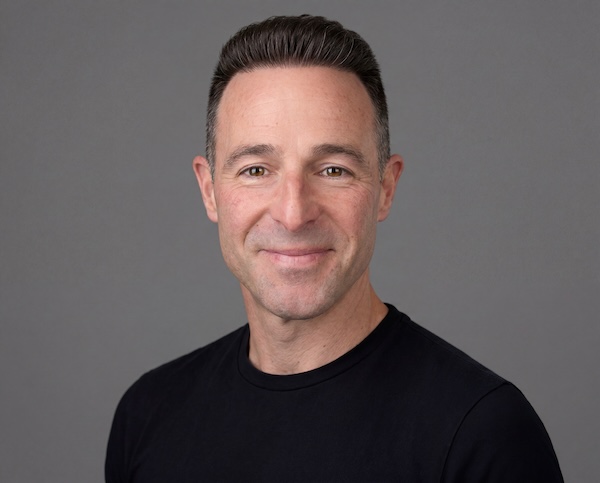
Author: Mark Ainely | Partner GC Realty & Development & Co-Host Straight Up Chicago Investor Podcast
Tim and I started with the latest developments around the competing PRO and FAIR rental ordinances, including one major change landlords had been pushing for. We also talked about the Federal Reserve’s latest rate increase, what it could mean for multifamily investors, and what we are seeing as the 2026 leasing season starts winding down.
Then we got practical with boiler systems, mini-splits, insurance, and a few upgrades that can actually save landlords money over the long run.
PRO vs. FAIR: Where Chicago's Rental Rules Stand
At the time we recorded this episode, both competing proposals to overhaul Chicago’s Residential Landlord and Tenant Ordinance had advanced out of committee.
The revised Protecting Renters Ordinance, or PRO, passed the Housing Committee 12-9. The competing FAIR ordinance advanced through the Zoning Committee 12-6. CBS News
The biggest development was the removal of the proposed just cause non-renewal and relocation payment provisions from PRO.
That was significant.
Earlier versions could have required landlords to make substantial relocation payments in certain situations when choosing not to renew a lease. The revised ordinance that advanced out of committee removed both the just cause requirement and those relocation payments. Chicago Association of REALTORS®
That does not mean PRO and FAIR are now identical.
There are still disagreements around how rental housing would be regulated, who would administer the rules, rental registration, disclosure requirements, fees, and the level of compliance expected from landlords.
One provision we discussed was the proposed application fee cap. Illinois already has statewide changes coming, while the PRO version discussed in the episode would go further by limiting Chicago application fees to $20.
For landlords, my biggest takeaway is that this increasingly looks like an administrative issue.
Whatever version ultimately survives, Chicago owners may have more notices, registrations, deadlines, disclosures, and procedures to track.
That makes knowing the rules more important than ever.
One update since this episode was recorded: the September 23 City Council votes on both proposals were delayed, giving the competing sides additional time to negotiate. Chicago Sun-Times
Interest Rates and Chicago Investment Opportunities
The other major news was interest rates.
On September 16, the Federal Reserve raised its target federal funds rate by a quarter percentage point to 3.75% to 4%. Federal Reserve
That does not mean mortgage rates automatically move by exactly the same amount, but borrowing costs were already elevated. A Reuters survey published just before the Fed meeting put the average 30-year mortgage rate around 6.85%. Reuters
For real estate investors, the important part is what happens to deals that were financed several years ago.
There are owners who bought multifamily properties when debt was much cheaper and used three-year or five-year loan products. As those loans mature, refinancing at today's rates may not produce the same numbers.
That can create several outcomes.
The owner may need to bring additional cash into the deal. They may need another equity partner. Or they may decide to sell.
That is where opportunity can show up for investors who have liquidity and are patient.
There is usually a lag when rates move. Sellers still remember yesterday's valuations while buyers are underwriting today's financing costs.
For a period of time, the two sides simply do not agree.
Eventually, motivated sellers adjust.
We also talked about the difference between being scared by higher rates and simply underwriting them correctly. Interest is another expense in the deal. If the numbers still work after using realistic debt costs, taxes, insurance, repairs, and reserves, then you can make a decision based on the actual investment instead of where rates used to be.
Fall Leasing, Boilers, and Reducing Operating Costs
Leasing has been interesting this year.
We saw some slowing in August, followed by a pickup after Labor Day. The suburbs were still performing fairly well, while parts of the North and Northwest Side were showing the seasonal slowdown we normally expect.
The biggest leasing mistake I continue to see is overpricing.
Someone spends six months renovating a beautiful rental and cannot understand why nobody is applying.
Then we look at it and the property is simply $200 too high.
If the pictures are good, the property is exposed on the major rental sites, and the unit presents well, price is usually the first thing I look at.
COVID-era rent growth created unrealistic expectations for some owners. We had years where rents moved dramatically. That does not mean landlords should expect another 10% or 20% every year.
Sometimes the correct rent is simply the market rent.
We also talked about heating systems now that Chicago's heat season has arrived.
For boiler buildings, efficiency upgrades can matter more to the landlord than the tenant. Better windows, properly positioned thermostats, and controls that respond to outdoor temperatures can reduce how hard the system has to work.
Mini-split systems were another option we discussed.
They can be especially useful in older Chicago housing where adding traditional ductwork would require substantial construction. Some owners are installing mini-splits for air conditioning while continuing to use an existing boiler for heat, then transitioning completely once the boiler eventually reaches the end of its life.
And anytime you make major improvements, talk to your insurance broker.
If you replaced a roof, electrical system, furnace, or boiler, your insurer should know. Those upgrades can change the property's risk profile and potentially affect the policy.
The important part is having an insurance professional you can actually talk to instead of automatically filing a claim every time something happens.
Questions We Answer in This Episode
Q: Did Chicago remove just cause non-renewals from PRO?
A: Yes. The revised version that advanced out of committee removed the just cause and relocation payment provisions. Chicago Association of REALTORS®
Q: What is the difference between PRO and FAIR?
A: Both would change Chicago's landlord-tenant rules, but they differ on administration, landlord classifications, registration, fees, and other compliance requirements.
Q: What happened with interest rates?
A: The Federal Reserve raised its target range by 0.25 percentage point to 3.75% to 4% on September 16. Federal Reserve
Q: Could higher rates create buying opportunities?
A: Potentially. Owners facing loan maturities or difficult refinancing decisions may become more motivated sellers.
Q: Why are some Chicago rentals sitting longer?
A: In many cases, the property is simply priced above what renters are willing to pay as the leasing season slows.
Show Notes and Timestamps
- 00:37 Breaking updates on PRO, FAIR, and Chicago leasing
- 01:08 FAIR passes the Zoning Committee 12-6
- 03:54 PRO and FAIR move toward full City Council
- 07:36 Just cause eviction removed from the revised PRO proposal
- 09:28 Biggest remaining differences between PRO and FAIR
- 15:38 The “nine-unit pivot” and unintended housing consequences
- 19:15 Interest rates and potential multifamily opportunities
- 21:55 Boiler season and heating system upgrades
- 27:36 Insurance considerations after major property improvements
- 30:43 Fall leasing trends and why pricing matters
Key Takeaways for Chicago Landlords
- PRO and FAIR both advanced out of committee, but final City Council action was later delayed for negotiations.
- Just cause non-renewal and relocation payments were removed from the revised PRO proposal.
- Landlords should expect additional compliance requirements even if the most controversial provisions stay out.
- Higher borrowing costs may create opportunities when existing multifamily loans mature.
- Fall leasing is still active, but overpriced rentals will sit.
- Boiler controls, windows, mini-splits, and preventive maintenance can reduce long-term operating costs.
- Major property improvements should also trigger a conversation with your insurance broker.
Guest Information
Mark Ainley
Founder & Partner – GC Realty & Development
Podcast Co-Host – Straight Up Chicago Investor
Tim Harstad
Founder – Chicago Style Management
Because finding good tenants and property management shouldn’t feel like online dating.
%20(3)%20(1)_3.png)
_1.png)
Dear Investor,
If you are an investor in either the city or suburbs of Chicago, I would love to speak with you about how we can help you on your real estate journey. At GC Realty & Development LLC, we help hundreds of Chicagoland real estate owners and brokers each year manage their assets with both full service property management and tenant placement services.
We understand that every investor’s goals are unique, and we love learning about each client’s individual needs. If there is an opportunity to help you buy back your time by managing your rental property or finding quality tenants, please check us out.
Best Investing,
Founder, Partner, Podcast Co-Host, and Investor