
 Vendor Portal
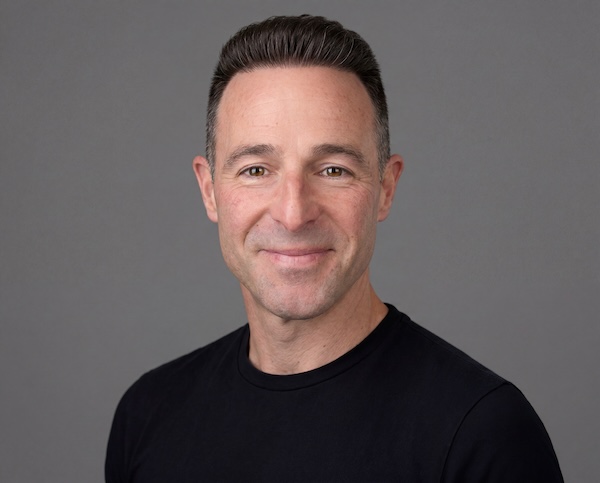
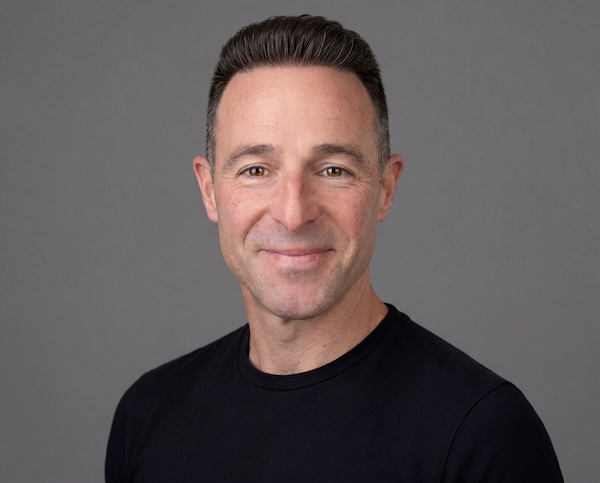
Author: Mark Ainely | Partner GC Realty & Development & Co-Host Straight Up Chicago Investor Podcast
Tim and I hit week 21 of Chicago Landlord Secrets, and this one started with something South Side investors have been waiting on for years: the Obama Center finally opening.
For a long time, investors kept asking whether buying around South Shore, Woodlawn, Stony Island, or nearby pockets made sense because “the library is coming.” Then it took so long that the answer started to feel like, “Maybe, if it ever gets built.” Now it is open, and the investment conversation changes again.
This episode was a mix of neighborhood impact, displacement pressure, routine maintenance, storm prep, flood insurance, 311 alerts, and a new financing tool that could help owners handle CapEx without delaying needed repairs.
What we talked about in this episode
The Obama Center is finally here, and the South Side impact starts now
Tim brought up the Obama Center opening because this has been part of the South Side investment story for years. Back in 2018, investors were buying rundown South Shore properties with the expectation that the library, the golf course conversations, and nearby development would eventually push values up.
My take is that the results probably will not show up overnight. But over time, people visiting the Obama Center should create demand for nearby businesses, coffee shops, restaurants, and other services. If people are flying in to see it, the area around it should start to support more activity.
That usually means rents and values move too. The question is how far that movement goes.
How far does the growth go?
Tim was more optimistic than I was.
I was thinking the Stony Island corridor down to around 75th could see meaningful cleanup over the next five years, especially a few blocks east and west of Stony.
Tim thought the impact could stretch farther south, especially if the Red Line extension into Roseland actually happens. His point was simple: if transit improves and people can commute downtown more easily, more South Side neighborhoods become realistic options for renters and buyers.
We also talked about how block by block the South Side can be. You can have a pocket with real opportunity, then a few blocks away the story changes completely. That is why local knowledge matters. It is not enough to say “South Shore” or “Woodlawn” and assume the whole area performs the same.
Opportunity and displacement pressure can both be true
The Obama Center creates opportunity, but it also creates pressure.
Tim pointed out that tenant groups and community groups are already pushing back because they expect rent increases and displacement concerns. We talked about the preservation ordinances in Woodlawn and South Shore, similar to what we saw in Logan Square and Avondale.
My issue with some of these protections is that they sound good politically, but they do not always solve the real problem. Giving tenants a first right of refusal does not mean they can actually buy the building. A lot of renters rent because they do not have the money, credit, desire, or stage of life to own and manage a building.
The bigger issue I keep coming back to is property taxes. If someone has owned a home for decades and their taxes jump because the neighborhood improves around them, that tax bill can force them out. That is one of the real drivers of displacement.
Sometimes the tenant is not crazy, you are missing context
I shared a situation from that day where a resident had moved into a single-family home and suddenly had a septic tank issue and a well pump issue right before they were using the home for a small wedding.
At first, it would have been easy to label the resident as over the top because legal letters started coming in fast. But once I got on the phone and heard the full story, it made sense. Their daughter was pregnant, the wedding was the next day, and they were under a lot of pressure.
That is a good reminder for landlords and property managers. Sometimes the resident is not just being difficult. Sometimes you do not know the full emotional context yet. A phone call can change the entire situation.
Storms, insurance, and what landlords should review now
We talked about storms again because after the recent weather, my feed was full of people saying Illinois is becoming the new tornado alley.
I called my insurance guy and asked what owners should be thinking about. The big points were making sure you are covered for the full rebuild amount and making sure you have law and ordinance coverage. If a tornado or major event damages the property and you have to rebuild, you are rebuilding to current code, not the old standard.
Tim also made a key point about insurance language. Water damage is not all treated the same.
Flooding is usually water coming in from outside the home, and that is often not covered under a standard policy. Water and sewer backup is also usually a separate endorsement. In Chicago, that matters because older sewer systems can back up into basements, especially in older buildings.
If you own property with a basement, garden unit, or lower-level living space, this is something to review before the next major rain.
Backflow preventers and why we used them on South Side properties
We talked about backflow preventers because they are one of the most practical ways to reduce basement sewer backup risk.
The simple version is this: water can go out, but it cannot come back in.
When we were investing heavily on the South Side, we started using backflow preventers on properties where we wanted to finish lower levels. It cost money, but compared to losing a garden unit to sewer backup, it made sense.
Tim explained it well. The original sewer design allowed water to come back into basements when the system was overloaded. The city’s system has improved, but the old openings and sewer setups are still there.
Illinois flood disclosure needs to be in the lease
We also reminded landlords about the Illinois flood disclosure requirement.
If a property has had flooding or water intrusion that fits the law, it needs to be disclosed to tenants. This is not just a Chicago issue. It is statewide.
The wording matters. A pipe burst is not the same as a flood. If a pipe bursts on the third floor, that is not the same as stormwater coming into the basement from outside.
But if you have basement storage, a garden unit, or any lower-level space that has taken water, you need to pay attention to that disclosure. Even if the resident lives on a higher floor, their storage area could still matter.
Routine maintenance prevents expensive problems
Tim brought up overhanging trees because after the storm, they were dealing with limbs falling on roofs, garages, and power lines.
If you have large branches hanging over the property, do not wait for the storm to make the decision for you. Trim them before they become an emergency.
We also talked about gutters. Branches, leaves, and storm debris end up in the gutter system. A clogged gutter may not cause a major problem today, but over time it can create roof issues, water intrusion, brick damage, and future tuckpointing costs.
A gutter cleaning might be cheap now. A masonry repair later can be a much bigger bill.
311 tracking can help landlords beat city tickets
I shared a tool we have been testing that alerts us when 311 calls are made on or near our properties.
That matters because sometimes a neighbor reports something before we even know there is a problem. If we get the alert early, we can act before the city shows up and writes a ticket.
Two examples came up:
A neighbor reported a tenant-responsible lawn issue, so we contacted the tenant and pushed urgency before a fine hit.
A neighbor reported fly dumping near one of our properties, and even though we did not dump it, the city would likely ticket us if they showed up and saw it. So we cleaned it up first.
Tim shared a classic city ticket story too. They got a ticket for a truck being in the alley too long. When they pulled the photos, it was literally a Chicago garbage truck.
That is why early information matters. City fines are expensive, and fighting them still takes time.
CapEx loans tied to rent
Tim shared a new service his company is rolling out through RISE.
The idea is that owners can take an advance against future rent. If they have a major repair, tax bill, vacant unit, or project that needs funding, they can access up to a year of rent upfront and repay it monthly as rent comes in.
The example was a $1,000 rent where the owner could access a large portion of the year’s rent upfront, with the company taking a percentage.
This is not for every owner, but it could be useful when someone needs to handle a CapEx item now instead of delaying the repair or using more expensive debt somewhere else.
Resident internet as part of the benefit package
I also mentioned that we are rolling out internet service through our resident benefit package.
Residents will be able to get one-gig speed internet for $65. From a value standpoint, that is strong because I pay more than that personally for similar speed.
Questions We Answer in This Episode
Q: Will the Obama Center increase rents and property values nearby?
A: I think it will over time. The impact may not be immediate, but major destinations usually bring businesses, visitors, and long-term movement.
Q: How far south could the Obama Center impact go?
A: I think the Stony Island corridor down toward 75th is a realistic near-term area to watch. Tim thinks it could push farther if the Red Line extension into Roseland happens.
Q: What insurance should landlords review after major storms?
A: Review replacement coverage, law and ordinance coverage, flood coverage, and water and sewer backup endorsements.
Q: What is a backflow preventer?
A: It is a one-way valve that allows water to leave the property but stops sewer water from backing up into the basement.
Q: Why should landlords care about 311 calls?
A: Because early notice can help you fix a problem before the city shows up and turns it into a ticket.
Show Notes and Timestamps
00:23 Week 21 of Chicago Landlord Secrets and people noticing the live show
00:52 Obama Center opening and years of investor speculation
02:02 Why the Obama Center can create business growth nearby
03:03 Stony Island corridor and how far neighborhood change could go
03:48 Red Line extension into Roseland and why it could change the South Side
05:10 South Shore rent movement and comparison to Hyde Park
06:31 East Woodlawn, Jackson Park Highlands, and South Shore pockets
09:03 Red Line funding gap and government project cost overruns
10:01 “The Bush” and smaller South Side pocket analysis
14:08 South Side history, Capone properties, and old neighborhood stories
16:38 Tenant group pushback around rent increases near the Obama Center
18:54 Property taxes and displacement pressure
19:23 Septic tank, well pump, and wedding stress tenant story
23:17 Illinois as the new tornado alley and insurance review
24:18 Flooding, sewer backup, and insurance wording
26:14 Backflow preventers and how they protect basements
28:28 Illinois flood disclosure requirement
30:27 Overhanging trees after storms
31:20 Branches, gutters, and future water problems
32:20 Tracking 311 calls before they become tickets
35:31 RISE rent-based loan option for owners
38:06 Internet service through resident benefit package
Key Takeaways for Chicago Landlords
The Obama Center should create long-term movement around South Shore, Woodlawn, and nearby corridors.
South Side investing is block by block, and local knowledge matters.
Opportunity and displacement pressure can happen at the same time.
Property taxes are one of the biggest forces behind displacement when neighborhoods improve.
Flooding and sewer backup are not automatically covered the same way in insurance policies.
Backflow preventers can help protect basements and garden units from sewer backup.
Illinois flood disclosure belongs in the lease when the property history triggers it.
Tree trimming and gutter cleaning are boring maintenance items that prevent expensive repairs.
311 tracking can help landlords act before a complaint turns into a city ticket.
CapEx loans tied to rent may help owners handle major repairs without delaying needed work.
Guest Information
Mark Ainley
Founder & Partner – GC Realty & Development
Podcast Co-Host – Straight Up Chicago Investor
Tim Harstad
Founder – Chicago Style Management
Because finding good tenants and property management shouldn’t feel like online dating.
%20(3)%20(1)_3.png)
_1.png)
Dear Investor,
If you are an investor in either the city or suburbs of Chicago, I would love to speak with you about how we can help you on your real estate journey. At GC Realty & Development LLC, we help hundreds of Chicagoland real estate owners and brokers each year manage their assets with both full service property management and tenant placement services.
We understand that every investor’s goals are unique, and we love learning about each client’s individual needs. If there is an opportunity to help you buy back your time by managing your rental property or finding quality tenants, please check us out.
Best Investing,
Founder, Partner, Podcast Co-Host, and Investor