
 Vendor Portal
Author: Mark Ainely | Partner GC Realty & Development & Co-Host Straight Up Chicago Investor Podcast
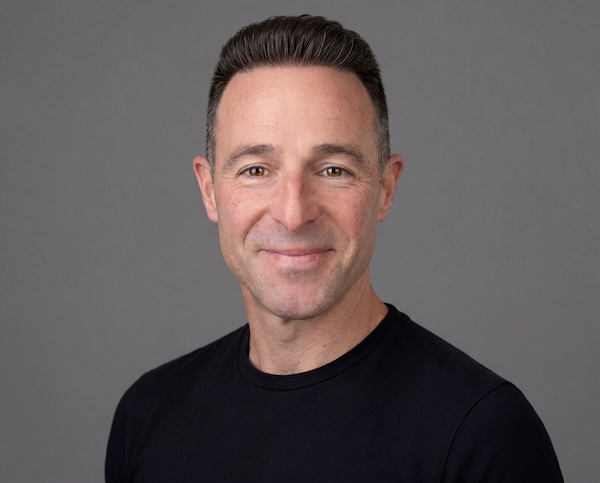
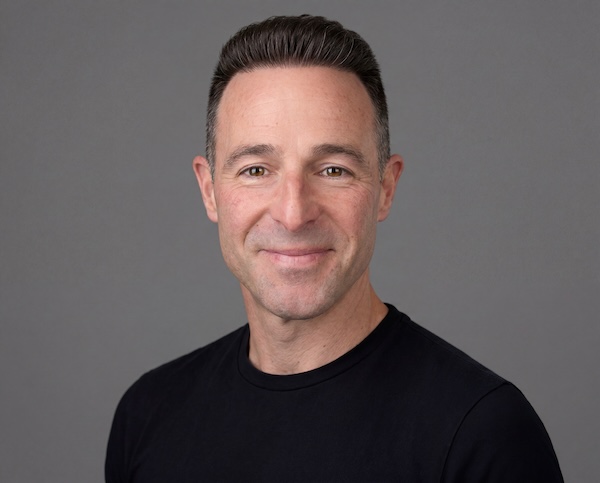
Tim was out on vacation this week, so I brought in John Warren as a guest co-host for Chicago Landlord Secrets.
John is the managing broker of 20 Properties and focuses on the near western suburbs, including Berwyn, Cicero, Lyons, Forest Park, and parts of Oak Park. He also owns and manages value-add rental property, so this episode got into the real day-to-day issues that come with managing apartments.
We talked about lease timing, AC units, common area problems, apartment fires, building culture, when self-managing landlords hit “landlord hell,” and where John would invest in the western suburbs.
Building Culture
One of the best parts of this conversation was talking about building culture.
Every apartment building has its own culture, whether the owner realizes it or not.
Sometimes that culture is good. You may have a long-term resident who helps keep the hallway clean, communicates with neighbors, and lets the landlord know when something is wrong.
Sometimes that culture is bad. You get garbage bags left in hallways, doors propped open, locks not being used correctly, and residents wondering why one person gets to store things in the common area when everyone else was told not to.
John brought up a building where residents were leaving garbage in the hallway. Once they looked closer, they realized part of the issue was practical. There were no lights leading to the garbage area, and some residents did not have keys to the right doors.
Once those basic problems were fixed, most of the garbage started making it to the dumpster.
That is the lesson.
Not every resident issue is solved by yelling at people. Sometimes the building is set up in a way that makes the wrong behavior easier than the right behavior.
Common areas need clear expectations. Hallways need to stay clean. Locks need to work. Lighting needs to be adequate. And if someone is creating a safety or cleanliness issue, the landlord needs to address it before it becomes the culture of the building.
Apartment Fires and Common Area Problems
We also talked about apartment fires and the trade-offs that come with different building types.
John shared a story about a 12-unit California-style building that had a fire. The fire department removed residents from that tier immediately, and the owner was eventually able to use insurance money to remodel that section of the building.
That does not make a fire “good,” but it shows how fast a building issue can become a major operational and insurance event.
California-style buildings also led to a good discussion.
They can be efficient because there are fewer common interior areas to clean, fewer hallways, and fewer shared fixtures. But the trade-off is the exterior walkways, stairs, railings, and catwalks.
If those are not maintained, they can become expensive fast.
We also talked about tenant-created issues like window AC units. Many older C-class and boiler buildings do not have central air, so residents use window units. That creates risk if the unit is not properly supported, leaks into the window, damages masonry, or is installed incorrectly.
Then there are the hallway stories.
Yes, we talked about poop in the hallway.
That is part of the property management business. Sometimes the story is funny after the fact, but in the moment it is a real resident experience, a cleanliness issue, and a building culture issue.
The larger lesson is that landlords need regular property walks, cleaning schedules, and residents who feel comfortable reporting problems quickly.
Self-Managing, Scaling, and Where To Invest
John also talked about what happens when an owner grows past the easy stage.
He called around 50 to 70 units “landlord hell,” and I agree with the idea.
When you only have a few buildings, you can stay involved. You can lease the units yourself, know every resident, and solve most problems directly.
But once you hit 50 or 60 units, there is always a renewal, a vacancy, a maintenance issue, a turn, or an owner decision waiting on you.
That is when you need to decide whether you are building a management operation or whether you should hire management so you can keep focusing on your main source of income and future acquisitions.
John’s portfolio is around 540 units across about 70 buildings, with a mix of ownership and third-party management. His advice was simple: only manage property for other people when the owner is aligned with how you operate and the property fits your area and systems.
We also talked about the surprise work that comes from becoming a management company: keys, rental inspections, fire alarm companies, fire departments, and local municipality requirements.
Then we closed with the rapid-fire “Where Would You Invest?” segment.
John picked:
La Grange over Brookfield
Berwyn over Cicero
Forest Park over Oak Park
Stickney over Riverside
Brookfield over Oak Park
His reasoning came down to rental demand, appreciation, tenant quality, and avoiding unnecessary municipal friction. Oak Park, for example, has its own rental ordinance, training requirements, and inspection requirements, which can make it more difficult for landlords.
The point is not that one town is always good and another is always bad.
The point is that local rules matter.
Questions We Answer in This Episode
Q: Who was the guest co-host?
A: John Warren, managing broker of 20 Properties and a western suburbs investor and operator.
Q: What is building culture?
A: It is the way a building naturally operates based on residents, rules, habits, common areas, lighting, locks, and how problems are handled.
Q: Are California-style apartment buildings good investments?
A: They can be efficient, but landlords need to budget for exterior stairs, railings, walkways, and catwalk maintenance.
Q: What is “landlord hell”?
A: John described it as the stage around 50 to 70 units where the owner always has renewals, vacancies, maintenance, and turns but may not yet have the team to handle it smoothly.
Q: Where did John prefer investing in the western suburbs?
A: He leaned toward areas like La Grange, Berwyn, Forest Park, Stickney, and Brookfield depending on the matchup and local rules.
Show Notes and Timestamps
00:14 Welcome back to Chicago Landlord Secrets with guest co-host John Warren
01:12 John Warren’s background with 20 Properties and value-add investing
02:31 September leasing trends and stronger lease-end timing
05:11 Why short-term lease extensions can create more problems
07:10 C-class apartments, clean housing, and tenant demand
08:01 Window AC units, brackets, leaks, and installation issues
09:53 Poop in the hallway and common area problems
12:12 Building culture and why one bad resident can change a building
15:27 Apartment fires, insurance, and California-style buildings
39:01 Western suburbs rapid-fire investment round
Key Takeaways for Chicago Landlords
Every building has a culture, and landlords need to manage it intentionally.
Common area issues often come from unclear rules, poor lighting, bad locks, or lack of follow-up.
Window AC units need proper support and clear expectations.
California-style buildings can reduce hallway problems but create exterior maintenance risk.
Fires, inspections, keys, and fire alarm systems become bigger issues as portfolios grow.
Around 50 to 70 units, many self-managing landlords need to build a team or hire management.
Local rules can make one suburb much easier to operate in than another.
Oak Park has more landlord requirements than nearby Forest Park or Brookfield.
A clean, safe, well-run building attracts better residents and fewer problems.
Guest Information
Mark Ainley
Founder & Partner – GC Realty & Development
Podcast Co-Host – Straight Up Chicago Investor
John Warren
Founder – https://www.fortepropertieschicago.com/
Because finding good tenants and property management shouldn’t feel like online dating.
Dear Investor,
If you are an investor in either the city or suburbs of Chicago, I would love to speak with you about how we can help you on your real estate journey. At GC Realty & Development LLC, we help hundreds of Chicagoland real estate owners and brokers each year manage their assets with both full service property management and tenant placement services.
We understand that every investor’s goals are unique, and we love learning about each client’s individual needs. If there is an opportunity to help you buy back your time by managing your rental property or finding quality tenants, please check us out.
Best Investing,

Founder, Partner, Podcast Co-Host, and Investor
%20(3)%20(1)_3.png)
_1.png)