
 Vendor Portal
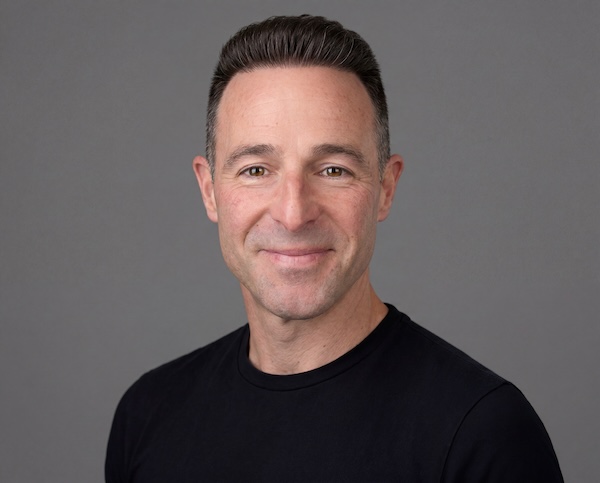
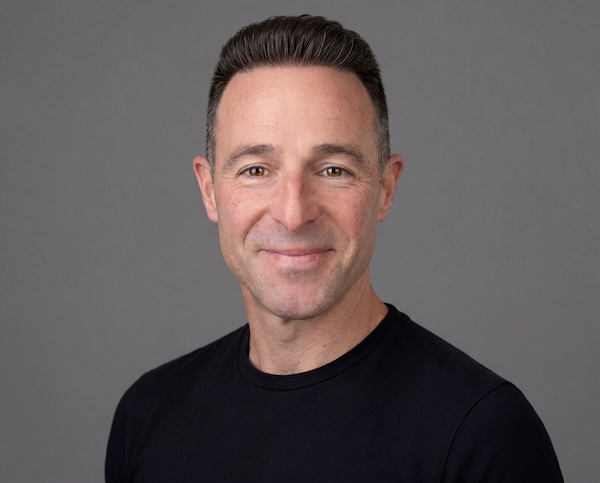
Author: Mark Ainely | Partner GC Realty & Development & Co-Host Straight Up Chicago Investor Podcast
Rental licensing in the Chicago suburbs is one of those topics that sounds simple, until you buy your first building in a village you’ve never dealt with and suddenly find yourself navigating inspections, point-of-sale requirements, annual renewals, surprise fees, and rules that vary wildly from suburb to suburb. For many landlords, this becomes a painful (and expensive) first lesson.
In this episode, Mark Ainley breaks down the most important things Chicago-area investors need to know when expanding into the suburbs. From Schaumburg to Glenwood to Des Plaines, Mark covers the differences in licensing, the challenges of dealing with strict inspectors, unexpected repair requirements, crime-free housing classes, boiler certifications, the South Suburb “double inspection” trap, and the rising trend of villages restricting new rental licenses.
In This Episode, Mark Covers:
Rental licenses sound like a small administrative task, but for investors moving from Chicago into the suburbs, they can be a huge factor in your cash flow, project timeline, and investment strategy. Mark explains how different suburbs approach inspections, how often licenses renew, what villages look for during walk-throughs, and why some towns are far more difficult, and far more expensive, than others.
He also shares real GC Realty experiences: cutting the wrong tree down in a South Suburb (and paying for it), dealing with villages where inspectors have handwritten notes instead of digital records, navigating point-of-sale inspections that discover brand-new issues after closing, and managing rental license caps that restrict new investors from entering certain towns.
Whether you're already buying in the suburbs or you're a Chicago landlord exploring new markets, this episode gives you the exact framework you need to avoid costly surprises.
Q&A WITH MARK AINLEY
Q: What’s the biggest mistake GC Realty made when first expanding into new suburbs?
A: Not understanding how each village’s inspection timeline and expectations differ. We once got hit in Sauk Village three times because we couldn’t finish work and get re-inspected within their strict 30-day window.
Q: Why did rental license programs start in the first place?
A: Safety and overcrowding. Many older suburbs had 100+ year-old homes with multiple families living inside. After tragic fires involving missing smoke detectors, villages wanted control and visibility.
Q: How do rental license inspections differ between suburbs?
A: Every suburb is unique. Schaumburg only inspects single-family homes. Glendale Heights wants smoke detectors in every bedroom. Elgin has one of the most detailed checklists. Hanover Park and Romeoville aggressively enforce permits for water heaters and HVAC.
Q: What about investors who try to “fly under the radar”?
A: It used to work with condos (since tenants wouldn’t trigger water billing changes), but HOAs now require proof of licensing. Today, flying under the radar almost guarantees a fine.
Q: What surprises investors most about suburban inspections?
A: How subjective they can be. Inspectors may add new repair requirements that weren’t listed. Some South Suburbs even require two different inspections from two different people, for point of sale and rental licensing.
Q: What towns require you to hire a property manager if you don’t live nearby?
A: Aurora, Des Plaines, Mount Prospect, and Streamwood require landlords to live within a certain distance, or hire a licensed property manager.
Q: What are point-of-sale inspections, and why are they risky?
A: Before selling, the village inspects and issues a repair list. But after closing, the buyer may be hit with new items the inspector didn’t list, things like fence height, tree stumps, grading, or concrete slabs.
Q: What’s the worst “surprise requirement” Mark has seen?
A: Hazel Crest. They don’t require point-of-sale before closing, so buyers unknowingly inherit massive repair lists after they already own the property.
Q: Why are South Suburb inspections tougher?
A: Heavy investor activity, older housing stock, and inconsistent record-keeping. Inspectors often rely on handwritten notes. Some towns cap rental licenses or place moratoriums to slow investor growth.
Q: How do transfer stamps fit into this?
A: Transfer taxes vary significantly. In Chicago, a $1M deal results in $12,000 in transfer tax, 75% paid by the buyer. Many suburban sellers are blindsided when their attorney doesn’t handle stamps early enough.
Q: Should investors be cautious with Airbnb in the suburbs?
A: Yes. Many villages quietly ban short-term rentals after one bad incident. Naperville, Roselle, and others changed policy overnight. Never underwrite a deal based on Airbnb revenue alone.
SHOW NOTES
00:00 Introduction and why this episode offers a different format
00:12 Why rental licensing matters for both Chicago and suburban investors
00:53 The biggest mistakes GC Realty made early on
01:30 Cutting the wrong tree down, and learning from it
02:16 Storm damage story and unexpected neighbor issues
02:39 Housing Provider Tip: CARES Act 30-day notices no longer required
03:54 Mark introduces the full rental license topic
04:19 Why investors misunderstand suburban rules
05:18 History of rental licensing and crime-free programs
06:07 Why some towns started rental licensing early
07:01 How villages detect rentals (water billing triggers)
07:48 Condo rules changing, HOAs now require proof
08:43 Suburb differences: Schaumburg example
09:46 Towns that forbid marketing until after inspection
10:42 Renewal schedule differences (calendar vs anniversary)
11:19 Cities requiring property managers if owner lives far away
12:17 Inspection style differences across suburbs
13:33 Smoke detector rules, some extreme
14:42 Interconnected smoke detectors and wiring issues
15:47 GFCI updates affecting older properties
17:13 Retroactive permits for water heaters and furnaces
18:24 Which suburbs have the highest licensing fees
19:32 Boiler inspection requirements and real examples
21:06 The Glenwood situation and fines
21:30 Intro to point-of-sale inspections
22:06 Hidden risks when buying with point-of-sale
23:17 Hazel Crest’s double-inspection trap
24:31 South Suburb challenges: inconsistent records
25:02 Third-party inspectors incentive issues
25:26 Lynwood governed by Sauk Village rules
26:21 South Suburb investor-heavy environment
27:14 Unclear direction leading to repeat repairs
27:48 Glenwood requiring in-person paperwork
27:59 Crime-free housing classes and certificates
28:36 Villages requiring local certificates, not transferable ones
29:01 Point-of-sale timing and who should do it
29:49 Transfer stamps breakdown and responsibility
31:29 Chicago transfer tax deep dive
33:02 Impact of slowed real estate transactions
34:04 South Suburb cash flow killers
35:13 Rental license caps and moratoriums in several suburbs
36:10 Business model discussion, cities restricting rentals
36:44 Airbnb bans happening overnight
38:04 Mark’s recent favorite books
39:08 Chicago fact: Suburbs touching Schaumburg quiz
40:04 Closing remarks and sponsorship call
TAKEAWAYS FOR CHICAGO LANDLORDS & INVESTORS
- Rental licensing is not uniform, every suburb has its own rules.
- Annual inspections can require unexpected, expensive repairs.
- South Suburbs often require two inspections, doubling your headaches.
- Many towns require third-party inspectors with financial incentive to fail you.
- Some suburbs cap rental licenses or enforce moratoriums.
- Point-of-sale inspections can uncover major issues after closing.
- Transfer stamps add thousands, sometimes tens of thousands, to a sale.
- Airbnb is risky; small incidents trigger big policy changes.
- Always check a suburb’s rules before underwriting a deal.
GUEST NAME:Mark Ainley
GUEST COMPANY:GC Realty & Development, LLC
GUEST LINK:https://www.gcrealtyinc.com
Because finding good tenants and property management shouldn’t feel like online dating.
Dear Investor,
If you are an investor in either the city or suburbs of Chicago, I would love to speak with you about how we can help you on your real estate journey. At GC Realty & Development LLC, we help hundreds of Chicagoland real estate owners and brokers each year manage their assets with both full service property management and tenant placement services.
We understand that every investor’s goals are unique, and we love learning about each client’s individual needs. If there is an opportunity to help you buy back your time by managing your rental property or finding quality tenants, please check us out.
Best Investing,

Founder, Partner, Podcast Co-Host, and Investor