
 Vendor Portal
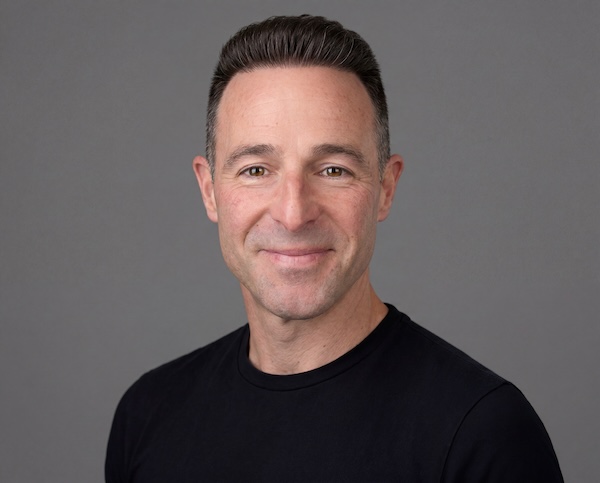
Author: Mark Ainely | Partner GC Realty & Development & Co-Host Straight Up Chicago Investor Podcast
If you invest in Chicago long enough, there’s one truth you learn early: every building teaches you something. And in this episode, we got to hear from someone who has lived that lesson twice over.
Luke Helliker joined us to break down the real-world experience behind buying his first Chicago multifamily, navigating the ADU conversion process, surviving a $300,000 basement rebuild, learning how to work with contractors, fighting through seller drama, and grinding 18 months to close on his next four-unit in Albany Park.
This episode is a blueprint for new and mid-level investors who want to grow but feel overwhelmed by the unknowns, construction surprises, financing options, zoning rules, alderman relationships, long-term leases, tenant surprises, and everything in between.
Luke’s story proves something I tell people every week: You don’t have to be perfect. You just have to keep moving.
How Luke Learned Real Estate by Doing It, Not Dreaming About It
Luke didn’t grow up thinking about real estate. He studied molecular biology, landed in corporate consulting, and rode the DocuSign wave during COVID like many tech workers. But the spark came from his father-in-law, a longtime Chicago commercial broker, who planted the idea of buying a small multifamily and living in one of the units.
What followed was equal parts excitement, chaos, mistakes, stress, and massive growth.
His first deal? A beautiful 3-flat in Ravenswood with a dangerous non-conforming basement unit, tenants who had lived there for a decade, and a long list of unknowns.
Instead of backing out, he bought it.
Instead of ignoring the basement, he legalized it.
Instead of freezing when things got complicated, he found the right architect, leaned on YUBA contacts, worked with the alderman’s office, financed through a HELOC product based on after-repair value, and completed one of the most challenging projects a new investor can take on.
And then, because he didn’t let the scars scare him away, he bought again, this time a four-unit in Albany Park with aging mechanicals, tough tenants, seller drama, and violations that had already chased off multiple cash buyers.
That’s what this episode is really about:
Momentum. Showing up. Learning. Repeating.
Q&A: Lessons Every Chicago Landlord Can Take From Luke’s Journey
Q: Why did Luke decide to pursue an ADU conversion rather than just fixing up the basement?
A: Networking. After attending YUBA events and talking to seasoned operators, he learned the ADU pilot program could legalize the space and permanently increase the value of the building. It offered long-term upside even though the short-term cost was painful.
Q: What were the biggest physical changes required to legalize the ADU?
A: Nearly everything. Digging down to legal ceiling height, adding egress, upgrading water service across Lawrence, replacing electrical service, adding a fourth meter, new plumbing, and peeling back old layers of the building until every hidden issue surfaced.
Q: How did he finance a $300K basement project as a new investor?
A: He used Renofi, a renovation-based HELOC that considers after-repair value. Draws were released as work progressed, creating a structured way to fund such a large job without draining all liquidity.
Q: What was the biggest surprise about ADU conversions?
A: They are marketed as “affordable housing,” but the cost realities make that nearly impossible. Between upgrades, permits, ADU requirements, water service, and structural changes, the final product is not cheap to build nor cheap to rent.
Q: What rent does the finished ADU bring today?
A: $2,300 + $100 parking ($2,400 total). About $30K a year, which significantly offsets the HELOC payments and stabilizes the building’s long-term financial health.
Q: What did Luke learn about tenant screening from the basement situation?
A: Long-term tenants who never submit work orders can mask major problems, and in extreme cases, hoarder behavior. Annual interior checks (12–18 months) are essential, even for “perfect” tenants.
Q: What helped Luke navigate a difficult eviction situation when a non-authorized occupant was found after a tenant passed away?
A: Hiring a specialized eviction attorney. The firm handled everything for $1,800, and the occupant left within two weeks. This prevented a long and expensive legal battle.
Q: Why did his 4-unit in Albany Park fall out of contract multiple times?
A: Violations and a difficult seller. Buyers backed out after discovering tuck-pointing issues, unpermitted work, and a seller unwilling to negotiate. Luke took advantage of this by “waiting around the hoop” and stepping in when the last buyer walked.
Q: Why was closing on the 1st such a headache?
A: Tenants accidentally paid the seller instead of him, and the seller refused to release the funds until unnecessary proof was provided. Lesson: Always verify auto-payments and prorated rent agreements before closing.
Q: What kept Luke motivated through 18 months of searching for a second property?
A: A mindset shift. It stopped being about needing more space and became about building long-term wealth. He decided one building a year, even if it takes all 12 months, is a worthwhile pace.
Show Notes
00:00 Host intro and the mindset of buying one building per year
00:39 Why defaulting to “keep buying buildings” keeps investors moving
01:12 The importance of alderman relationships in Chicago
01:36 How lenders and brokers can make or break early momentum
02:04 Networking that actually works, not corporate-style small talk
03:03 Housing provider tip: why long-term tenants still need inspections
04:20 Introducing guest Luke Helliker
05:30 Luke’s early Chicago real estate influences
06:19 From molecular biology to consulting to real estate
07:47 Buying his first 3-flat during the DocuSign stock boom
09:55 The emotional rollercoaster of choosing a building
13:06 Inspection lessons and the danger of non-conforming basements
17:39 Dealing with a basement tenant who caused major issues
19:55 How networking led Luke to the ADU pilot program
21:32 Finding the right architect and GC
23:57 The real cost and construction scope of an ADU
25:23 Water service nightmares and crossing major streets
27:02 Financing the project through Renofi
28:20 The finished ADU and rent numbers
30:19 Total cost breakdown, about $300K
31:16 Why investors should consider ADUs despite the cost
33:18 Large-building upgrades during construction
34:52 Why duplexing down didn’t make financial sense
35:24 Beginning the 4-unit search
43:42 Why working with an investor-friendly agent matters
46:00 The competitiveness of 2024–2025 small multifamily
47:18 The Albany Park building that kept falling out of contract
48:27 What made that building worth pursuing
50:27 Violations that scared off multiple cash buyers
52:05 How attorney review finally cleared the path
55:49 Closing-day rental credit problems
57:42 Another post-closing leak, just like his first building
59:05 Aging mechanicals the inspection missed
59:44 Fighting through discouragement
61:17 A tenant death and unexpected occupant
63:12 Handling a sensitive eviction
64:23 Future investing plans
65:19 Competitive advantage: momentum over perfection
65:55 Advice for new investors
66:28 Time is the biggest asset
66:43 What Luke does for fun
67:14 Favorite Chicago venues
68:07 Recommended book: Rich Dad, Poor Dad
68:42 Most valuable resource: your alderman
69:50 Where to find Luke online (Instagram: live.jif)
Takeaways for Chicago Property Managers and Landlords
- ADUs can work, but expect six-figure costs, long timelines, and significant structural upgrades.
- Water service, electric service, and egress are the biggest budget drivers, plan for them early.
- A difficult seller can be more painful than a difficult property.
- Closing on the 1st sounds great until rent credits get messy, document everything.
- Mechanical systems in older buildings are often near end-of-life even if inspections miss them.
- Networking through groups like YUBA can unlock solutions you didn’t even know existed.
- Owner-occupied financing remains the best tool for climbing the multifamily ladder.
- Waiting around the hoop pays off, follow up on deals that fall out of contract.
- Long-term tenants deserve regular inspections. Perfect peace does not mean perfect condition.
- Momentum beats perfection. Show up, learn, execute, and repeat.
Guest Info
Guest: Luke Helliker
Instagram: https://www.instagram.com/livelaughluke.gif/
Luke plans to document more of his investing journey, so follow him if you want to keep up with ADUs, multifamily buys, and Chicago real estate lessons learned the hard way.
Because finding good tenants and property management shouldn’t feel like online dating.
Dear Investor,
If you are an investor in either the city or suburbs of Chicago, I would love to speak with you about how we can help you on your real estate journey. At GC Realty & Development LLC, we help hundreds of Chicagoland real estate owners and brokers each year manage their assets with both full service property management and tenant placement services.
We understand that every investor’s goals are unique, and we love learning about each client’s individual needs. If there is an opportunity to help you buy back your time by managing your rental property or finding quality tenants, please check us out.
Best Investing,

Founder, Partner, Podcast Co-Host, and Investor