
 Vendor Portal
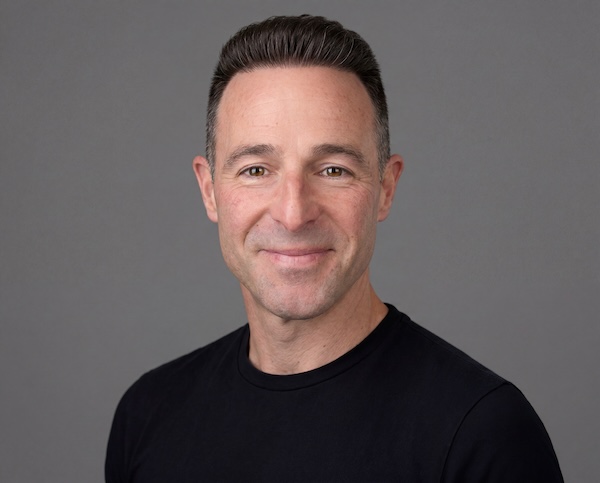
Author: Mark Ainely | Partner GC Realty & Development & Co-Host Straight Up Chicago Investor Podcast
Some people “start in real estate” by buying a condo, reading BiggerPockets for three years, and telling everyone they’re “waiting for the market to shift.”
He came out of the University of Wisconsin–Madison real estate program, took the traditional institutional route, quickly realized corporate real estate wasn’t the dream, and then jumped straight into owning Chicago multifamily… starting with a six-unit that turned into a full gut rehab.
Fast-forward and Alec and his partner have scaled to 30–35 properties and roughly 650 units, almost entirely on the North Side of Chicago. They’ve built a vertically integrated operation that includes property management, leasing, construction/GC work, and a lean internal team powered by an offshore workforce in the Philippines.
The biggest theme of this episode is simple: stretch. Don’t stretch so far you snap, but stretch enough that you’re a little uncomfortable. Alec believes the discomfort is the signal you’re actually growing.
And if you’re a Chicago landlord, investor, or Chicago property manager trying to figure out how people scale without burning out, this episode is basically a masterclass in two things that matter more than most people admit:
Questions We Answer in This Episode
Q: What’s the hardest part of a first multifamily deal, raising money or executing?
A: Execution and debt structure, good deals attract money, bad execution kills projects.
Q: Why start with a six-unit instead of house hacking?
A: Stretching accelerates growth, and the effort isn’t linear, bigger deals can be worth the same energy.
Q: What’s the best way to lease up a rehab completed in winter?
A: Use 18-month leases ending in summer, consider a free month, and protect face rent.
Q: How do you underwrite operating expenses in Chicago?
A: For 4–5 story buildings, ~32%–35% expense ratio, but smaller vintage buildings can run 40%+.
Q: Why do some small buildings get crushed by taxes?
A: Chicago assessments don’t always track income logically, smaller assets can carry disproportionate tax loads.
Q: What’s the biggest offshore advantage in property management?
A: It frees local bandwidth to solve complex issues and focus on growth, while keeping resident communication consistent.
Q: When does hiring offshore help make sense?
A: Around 50 units is a strong threshold, but even smaller owners can use part-time help if they’re trying to grow.
Q: What’s Alec’s advice to a first-time Chicago investor?
A: Stretch, go bigger than you think you can handle, scary is good if it’s calculated.
Timestamped Show Notes
00:00 Intro, merch updates, and new lease addendum mention
03:57 Alec’s early career, corporate real estate, and why he left
05:26 First building purchase, meeting partner Gabe, scaling quickly
08:09 First deal lessons, debt structure, execution, lender relationships
13:56 First big development, 48 units and $15M project lessons
22:36 Leasing strategy for winter deliveries (18-month leases, free month)
25:55 Underwriting expenses and Chicago property tax reality
30:42 Preventative maintenance strategy and resident experience
31:13 750 W North deal story, foreclosure, downzoning to 5 stories
35:46 Offshore property management structure and workflows
41:50 Staffolio origin story and offshore roles that scale companies
50:11 Outlook on Chicago rent growth and supply constraints
52:58 Rapid-fire: competitive advantage, advice, resources, fun
57:33 Chicago fact (North Center rat hole trivia)
Takeaways for Chicago Landlords and Property Managers
- Debt structure matters as much as the deal. The right loan can change your entire capital raise and project outcome.
- Winter leasing requires strategy. Don’t just drop price, structure lease terms to land expirations in peak season.
- Small buildings can be deceptively expensive. Taxes and fixed costs can crush margins when rents are low.
- Preventative maintenance is a profit strategy. It reduces surprises, improves resident experience, and cuts turnover pain.
- Scale is a systems game. Offshore teams aren’t a gimmick, they’re leverage when set up correctly.
- Chicago is still a play. Demand is strong, supply is constrained, and quality housing continues to command higher rents.
Guest Info
Guest: Alec Greenberg
Companies: Base 3, Staffolio
Recommended Chicago resource: Chicago Cityscape
Networking: EUBA (Edgewater Uptown Builders Association)
Because finding good tenants and property management shouldn’t feel like online dating.
Dear Investor,
If you are an investor in either the city or suburbs of Chicago, I would love to speak with you about how we can help you on your real estate journey. At GC Realty & Development LLC, we help hundreds of Chicagoland real estate owners and brokers each year manage their assets with both full service property management and tenant placement services.
We understand that every investor’s goals are unique, and we love learning about each client’s individual needs. If there is an opportunity to help you buy back your time by managing your rental property or finding quality tenants, please check us out.
Best Investing,
Founder, Partner, Podcast Co-Host, and Investor