
 Vendor Portal
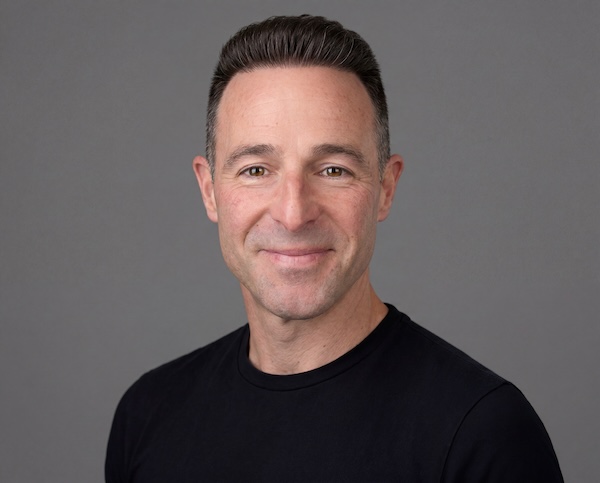
Author: Mark Ainely | Partner GC Realty & Development & Co-Host Straight Up Chicago Investor Podcast
Financing can make or break a real estate deal.
For Chicago investors, especially those moving from house hacking or small multifamily ownership into heavier rehabs, flips, or construction loans, the capital stack matters just as much as the purchase price. Too much leverage can create risk. Too little capital can slow growth. And bad underwriting can turn a good-looking deal into a painful lesson.
In this episode, Tom Shallcross and Mark Ainley sit down with Jake Rome, co-founder of Backflip, to talk about real estate financing, leverage, underwriting, fix and flip lending, construction loans, borrower risk, and where the private lending market is headed.
Jake brings a unique perspective from institutional real estate, private equity, startups, and residential investment lending. He explains why Backflip shifted from helping Wall Street buy homes at scale to supporting local value-add investors, how leverage can accelerate returns when used correctly, and why too much debt without enough liquidity can destroy an investor’s business.
For Chicago real estate investors, this episode is a strong reminder that capital is a tool. Used correctly, it helps you move faster. Used carelessly, it can put every deal at risk.
Questions We Answer in This Episode
Q: What’s the housing provider tip of the week?
A: If a tenant stops paying rent, landlords have two real options: follow the legal process or talk through the problem. Mark reminds owners that they cannot shut off utilities, remove doors, cut off water, or use illegal pressure tactics.
Q: Who is Jake Rome?
A: Jake is a co-founder of Backflip and has a background in institutional real estate, private equity, startups, technology, and residential investment lending.
Q: How did Jake get started in real estate?
A: Jake grew up in Austin with a father who was a home builder. He later studied entrepreneurship, real estate, and finance before working in institutional real estate private equity.
Q: What was Backflip’s original business idea?
A: Backflip originally started as a software concept to help institutional funds buy single-family homes at scale. The team later pivoted after deciding that helping local value-add investors was a better mission and a better business.
Q: Why did Backflip shift toward local real estate investors?
A: Jake says local value-add investors improve distressed housing, help maintain neighborhood character, and often keep profits circulating in the same community.
Q: Why can fix and flip returns look so high?
A: When investors use leverage, they may put in a smaller amount of equity and earn a larger return on that equity. Jake explains that a six-month flip can sometimes produce equity multiples that would take years in commercial real estate.
Q: What is the danger of too much leverage?
A: Too much leverage can lower the investor’s margin for error. If a project runs over budget, takes longer, or runs into contractor problems, the investor can run out of money and put multiple deals at risk.
Q: What does Backflip look for when underwriting borrowers?
A: Jake says credit score, experience, and liquidity are key factors. Credit score has remained one of the strongest correlations to performance, while relevant experience and available cash help determine risk.
Q: What are some red flags for new investors doing heavy rehabs?
A: Contractor reliability is one of the biggest risks. Jake also warns about cutting corners on permits, especially when an investor does not fully understand the local rules.
Q: Where does Jake see real estate financing going?
A: Jake expects more institutional capital, more securitization, more competitive pricing for standardized deals, and continued need for local lenders on complicated or outside-the-box projects.
Show Notes
01:58 Housing provider tip: what landlords can and cannot do when tenants stop paying rent
03:30 Jake Rome joins the podcast and shares how he connected through Adam Freeberg
05:33 Jake’s background in Austin, home building, private equity, and institutional real estate
07:34 Leaving private equity for startups and the flexible living space
13:25 How Backflip started as a tool for institutional single-family home buyers
16:51 Why Backflip pivoted toward local value-add real estate investors
19:44 Understanding leverage, return on equity, and why fix and flip returns can compound quickly
23:17 The risk of too much leverage and why investors need enough skin in the game
34:04 Underwriting lessons from 2021 to 2026, including wholesaler fees and seller concessions
45:50 Red flags for first-time heavy rehab borrowers, including contractors, permits, credit, experience, and liquidity
Takeaways for Chicago Property Managers and Landlords
When a tenant stops paying, do not take illegal shortcuts. Use the legal process or negotiate a solution.
Financing is a major part of the deal, not an afterthought.
Leverage can improve returns, but it also increases downside risk.
Investors need liquidity because construction always brings surprises.
Contractor reliability can make or break a heavy rehab project.
Permit shortcuts can create expensive problems later.
Credit score, relevant experience, and liquidity still matter to lenders.
Wholesaler assignment fees and seller concessions can create underwriting issues when they inflate the purchase price.
Chicago and Cook County financing can carry extra risk because foreclosure timelines can be long.
The future of private lending will likely include more institutional capital, better technology, faster draws, and more standardized financing options.
Guest info
Guest Name: Jake Rome
Guest Company: Backflip
Guest Link: Ready to fund your next deal? Apply with Backflip here.
Because finding good tenants and property management shouldn’t feel like online dating.
Dear Investor,
If you are an investor in either the city or suburbs of Chicago, I would love to speak with you about how we can help you on your real estate journey. At GC Realty & Development LLC, we help hundreds of Chicagoland real estate owners and brokers each year manage their assets with both full service property management and tenant placement services.
We understand that every investor’s goals are unique, and we love learning about each client’s individual needs. If there is an opportunity to help you buy back your time by managing your rental property or finding quality tenants, please check us out.
Best Investing,
Founder, Partner, Podcast Co-Host, and Investor